Stay Inspired
Subscribe for exclusive tips and storage ideas to elevate your kitchen.


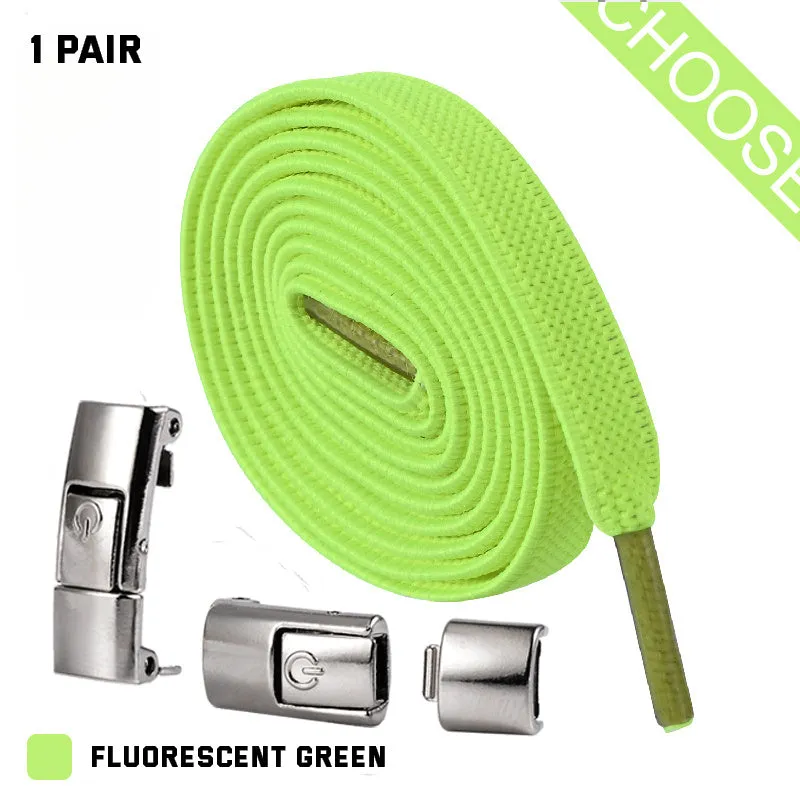
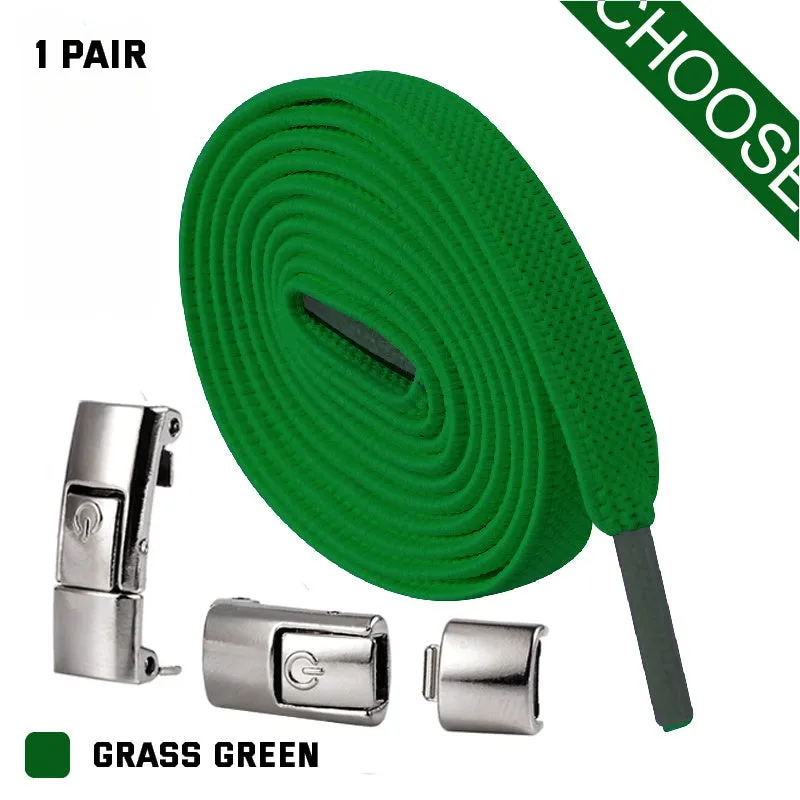
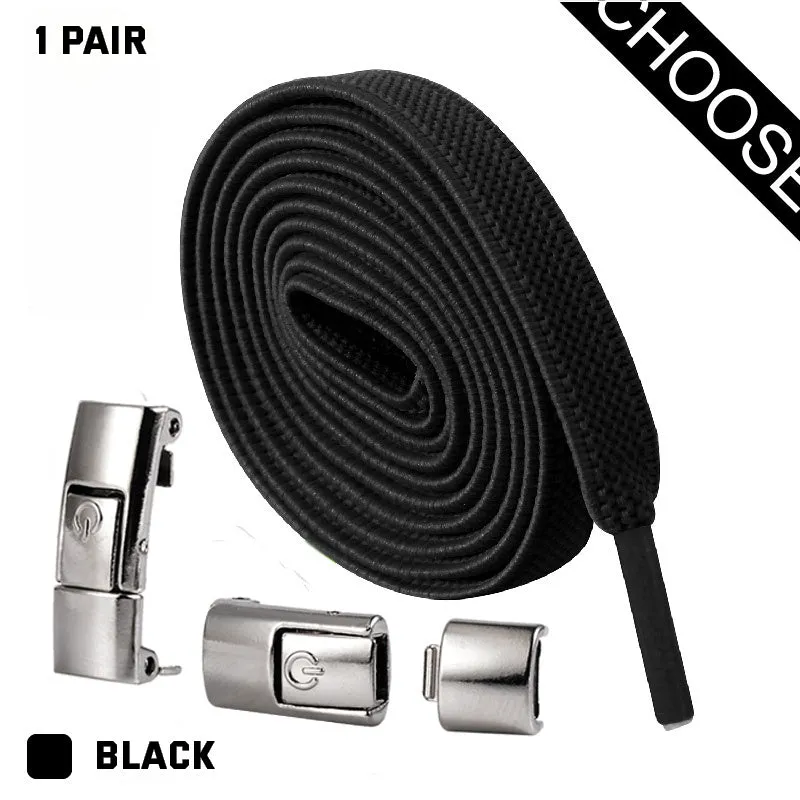
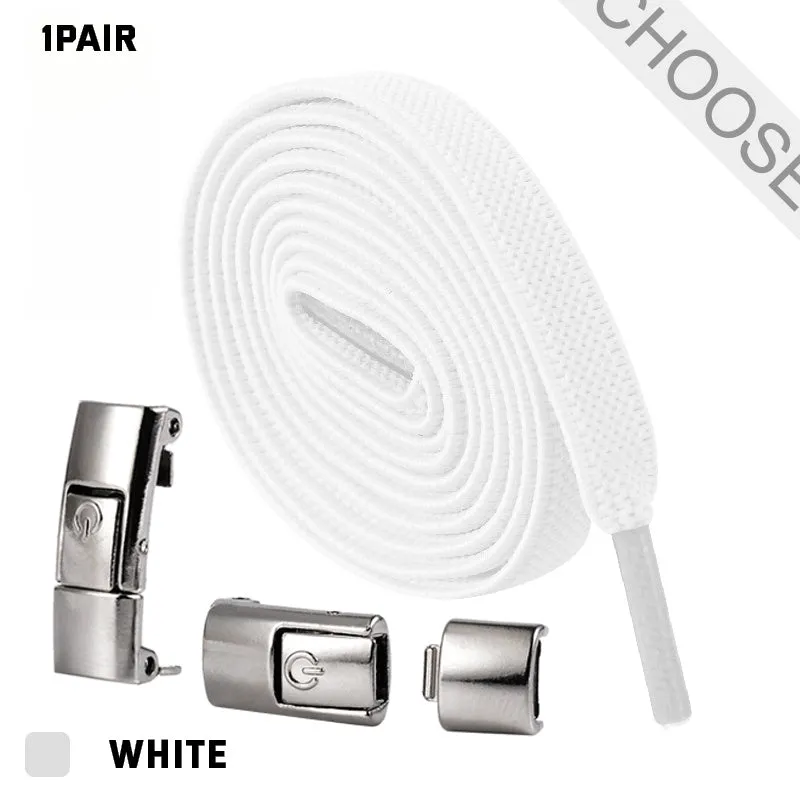
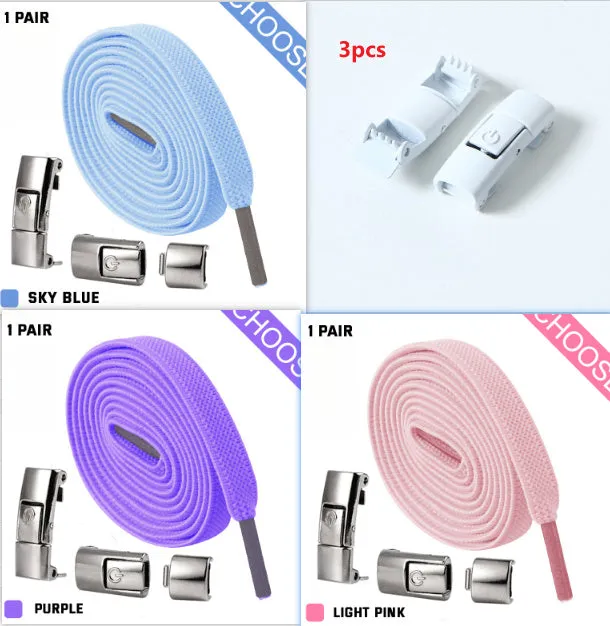
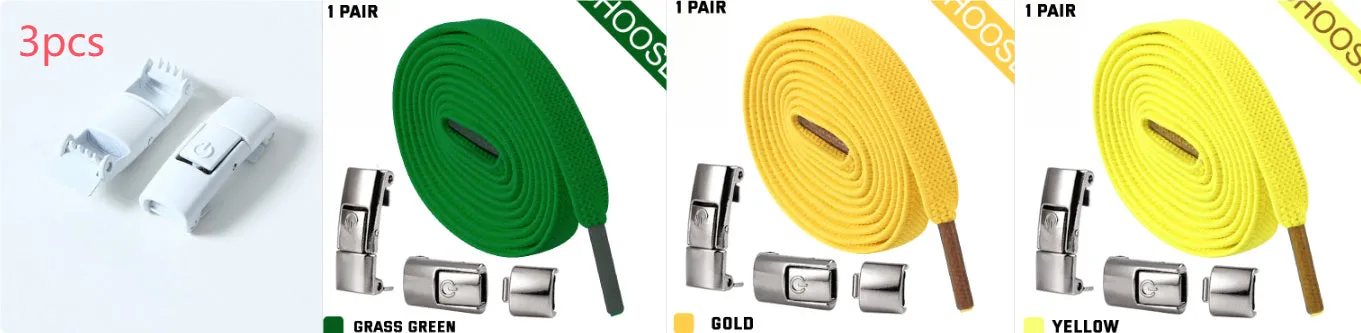
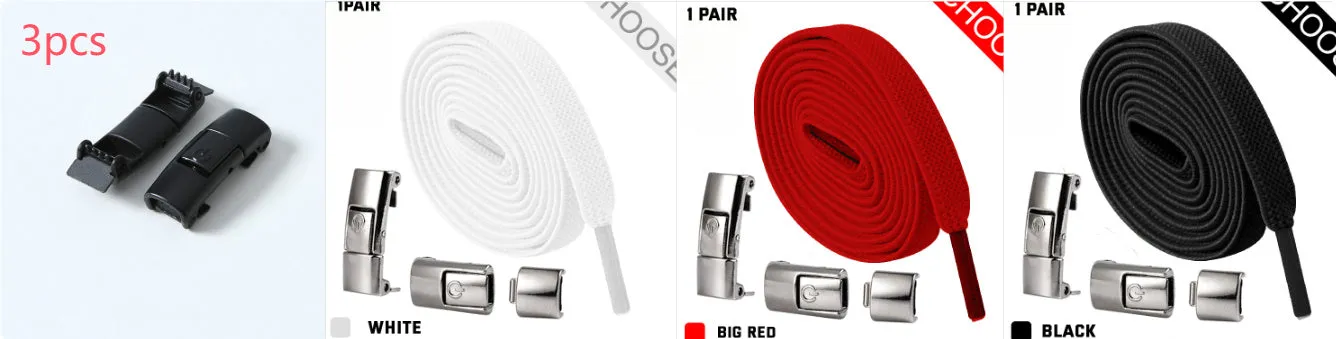
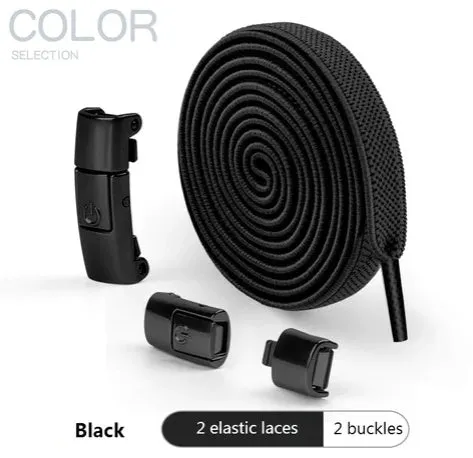
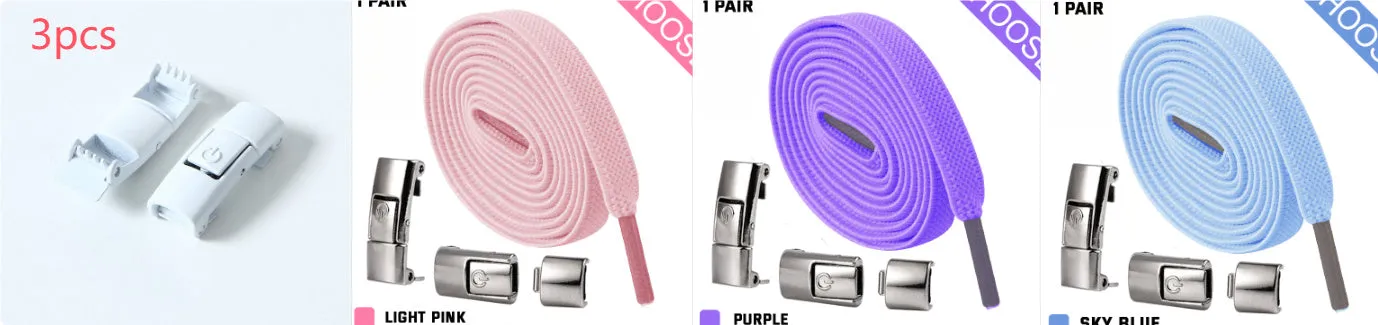
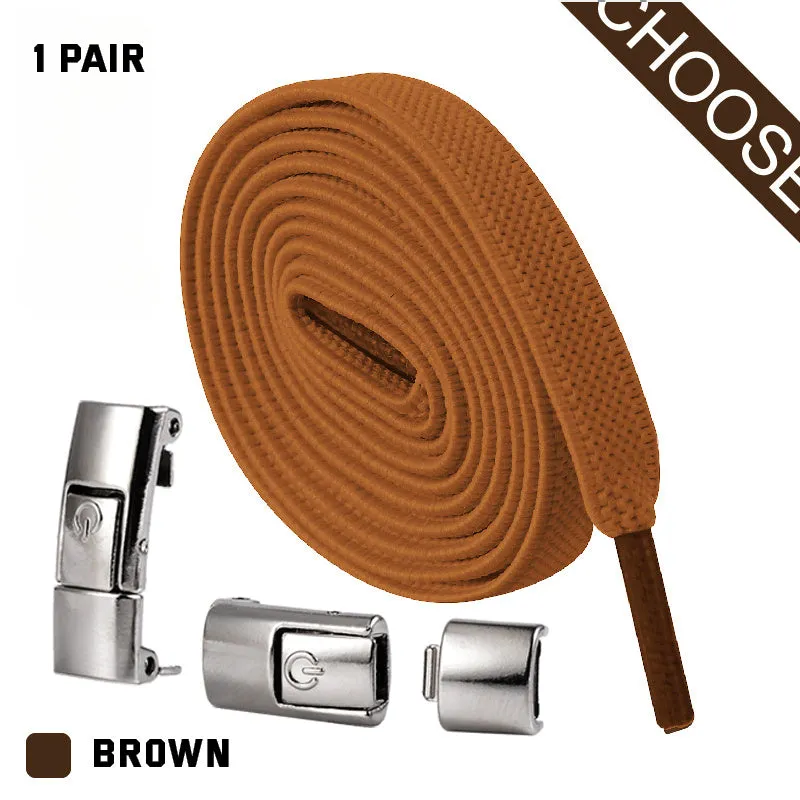
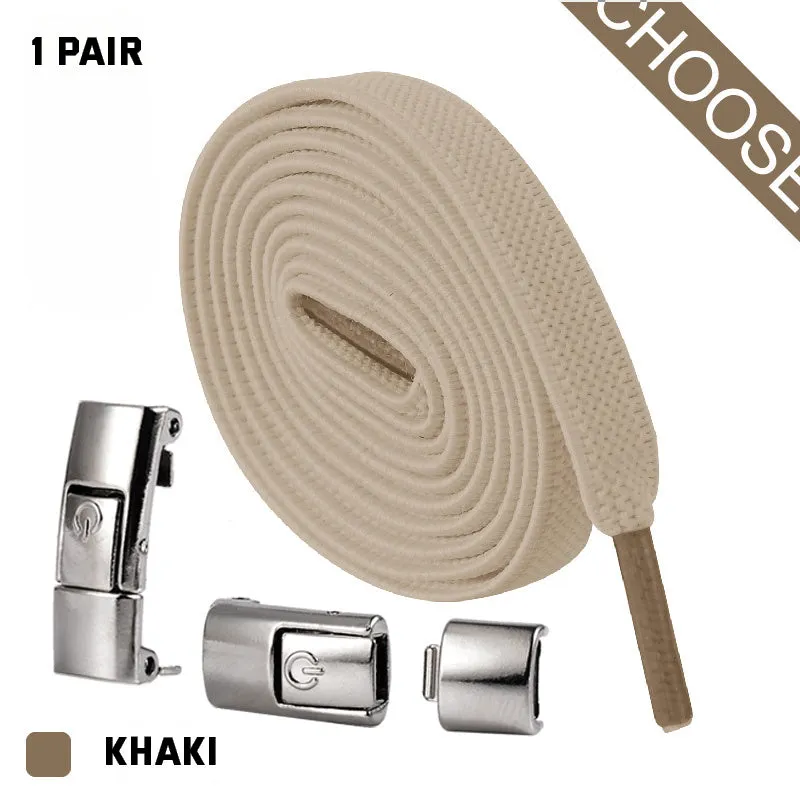
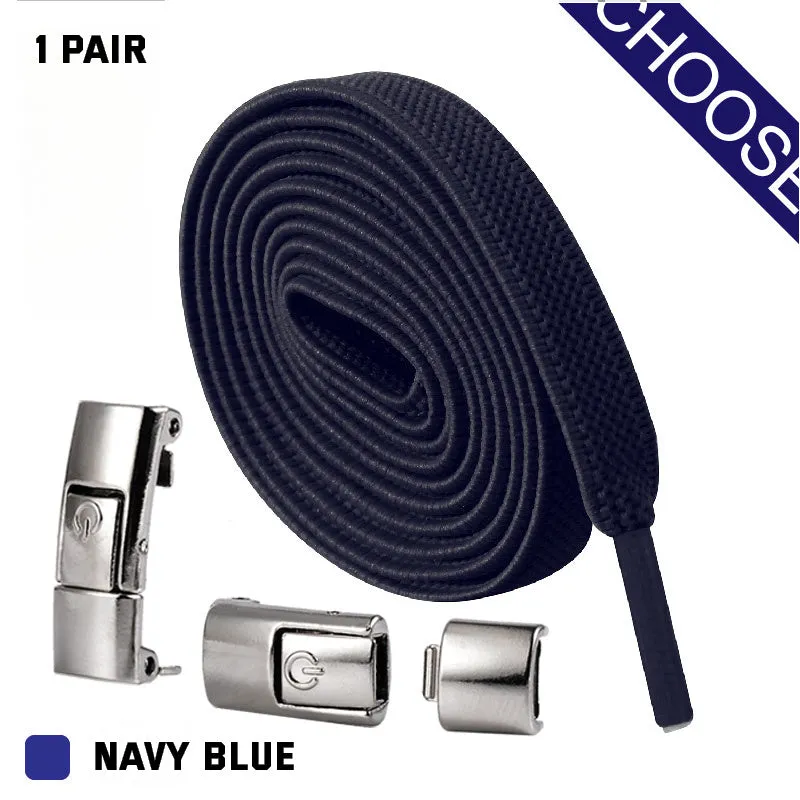
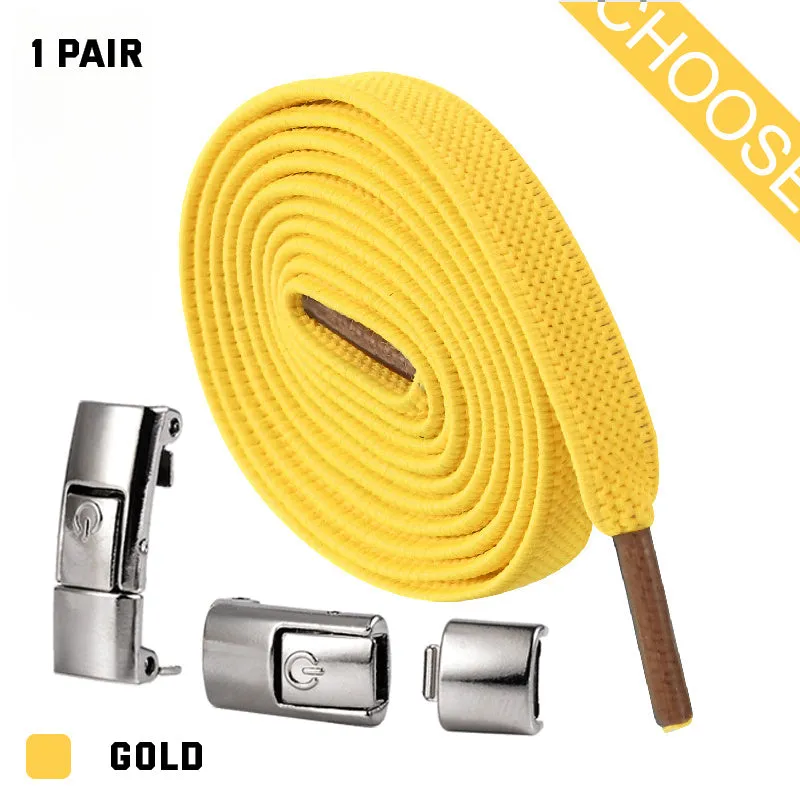
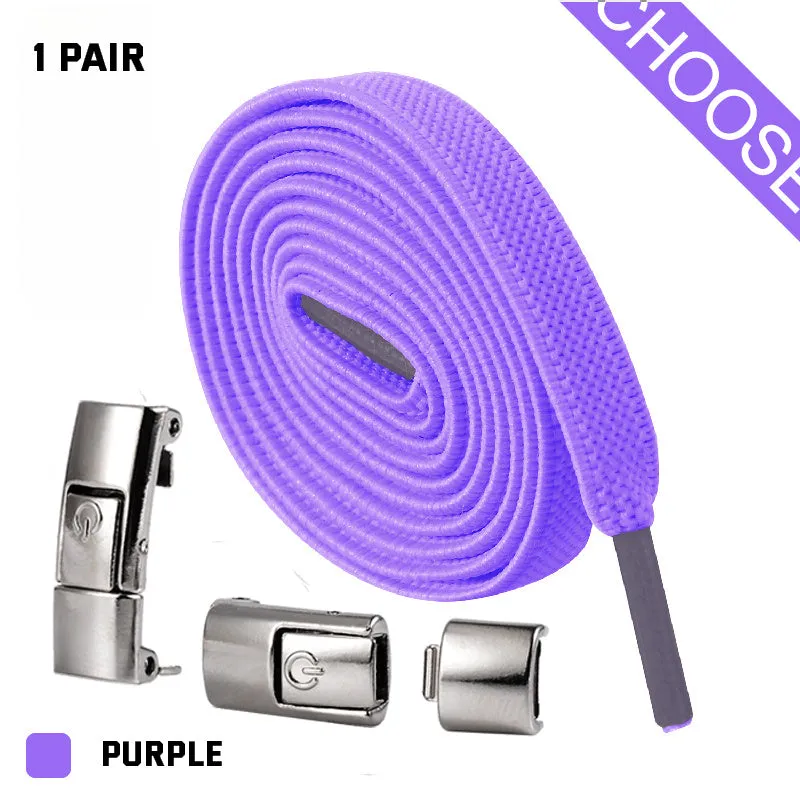
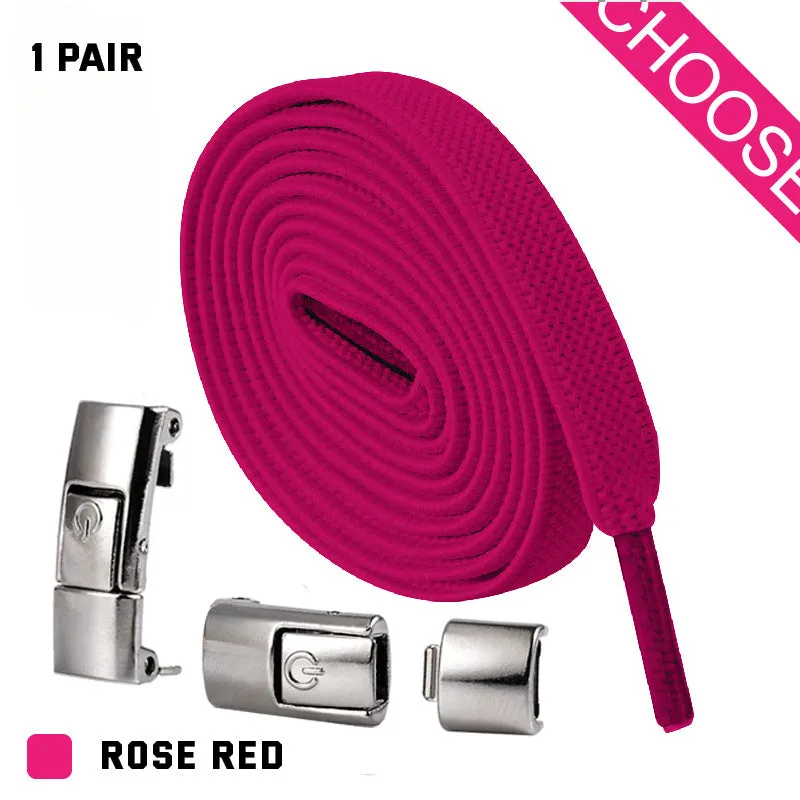
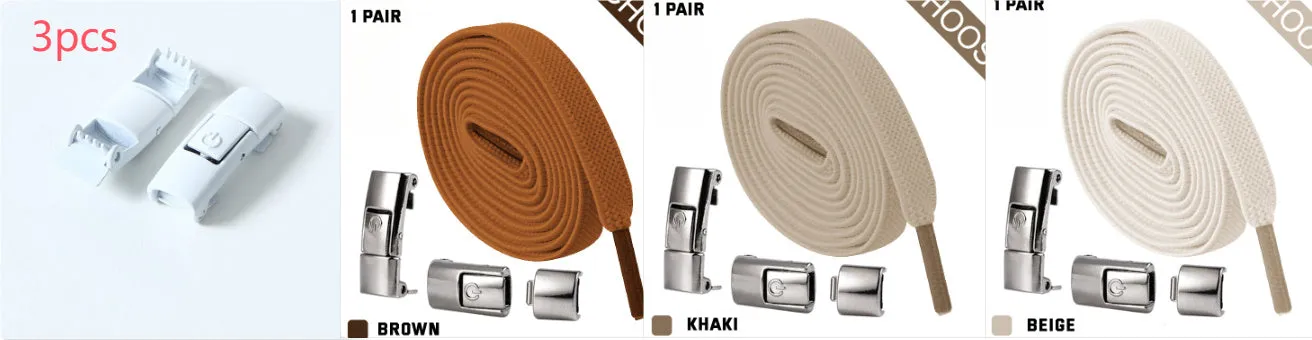
If you're looking for a simpler way to secure your shoes, these press lock shoelaces provide a practical solution. They replace traditional laces with an elastic cord and a locking mechanism, eliminating the need for tying knots. The design focuses on convenience and a comfortable fit, aiming to be suitable for daily wear across all seasons. The laces are specifically made for a range of footwear, from sports and training sneakers to casual leisure shoes and even practical work shoes, offering a one-size-fits-all solution for quick and easy use.
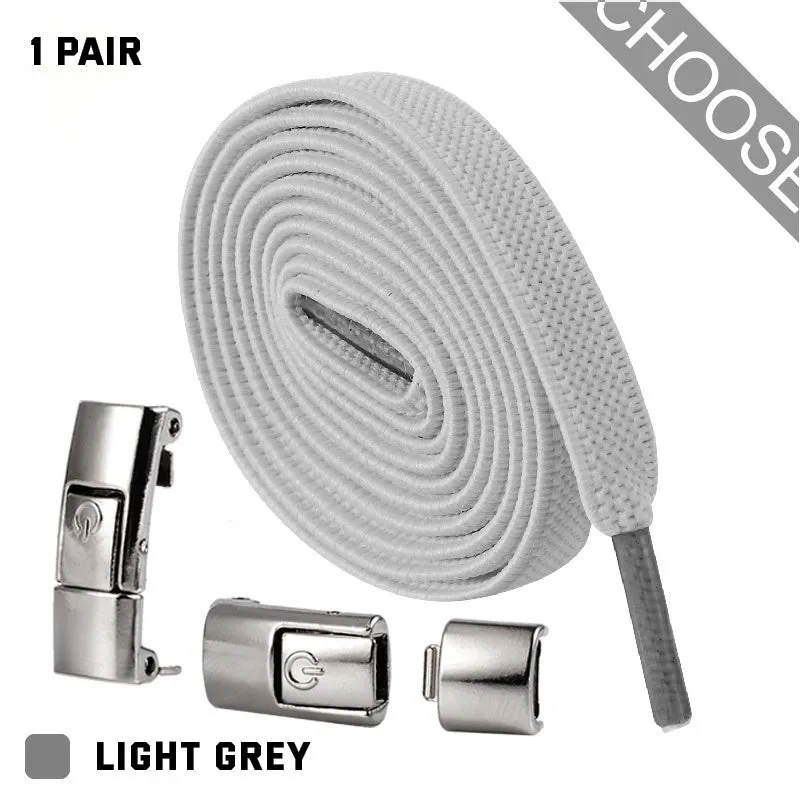
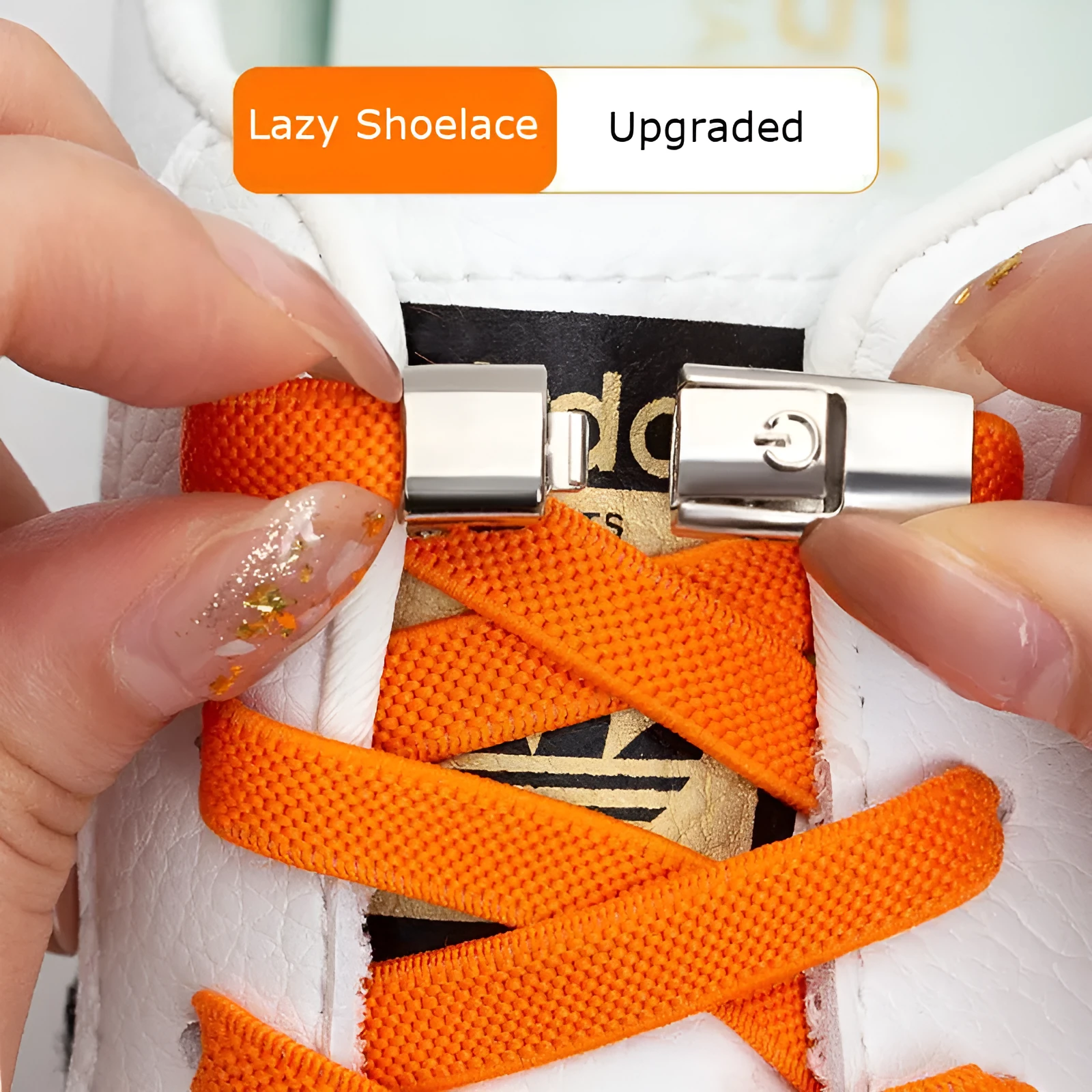
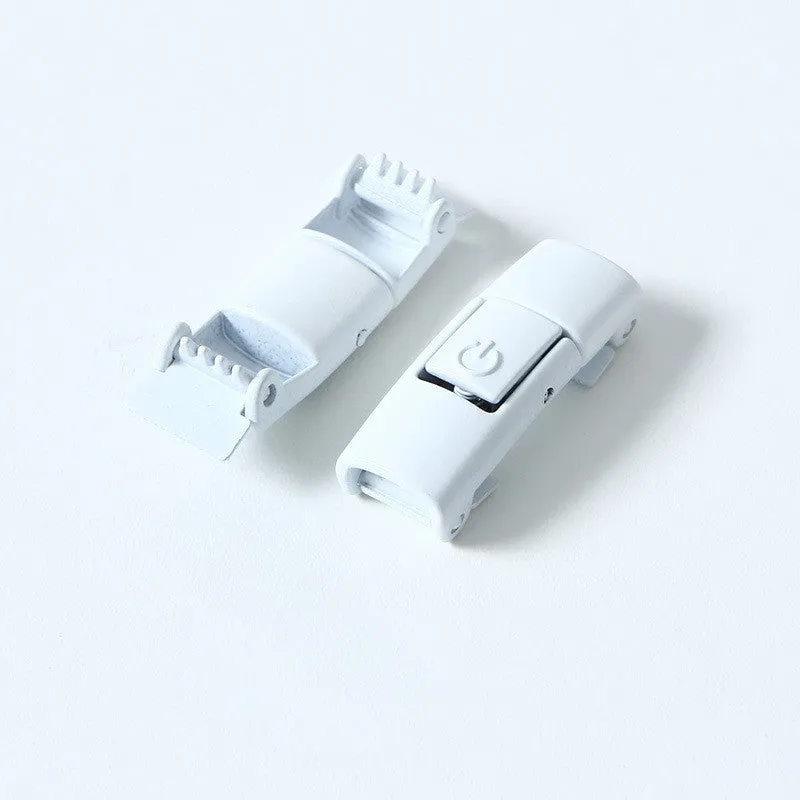
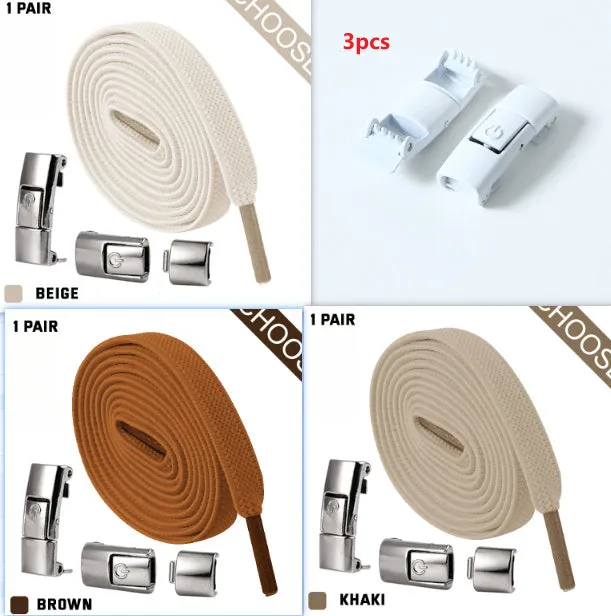
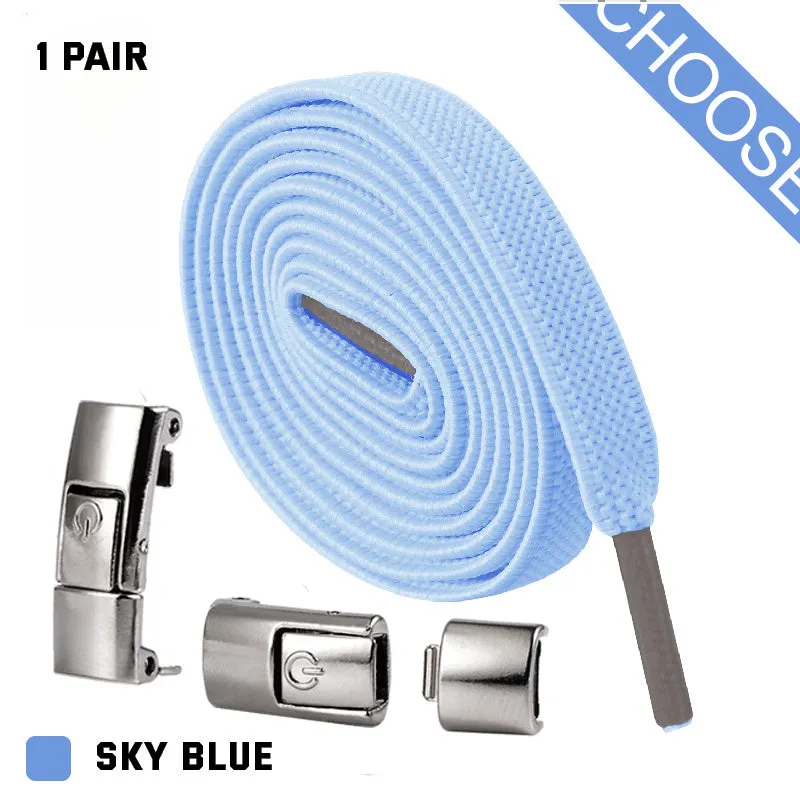
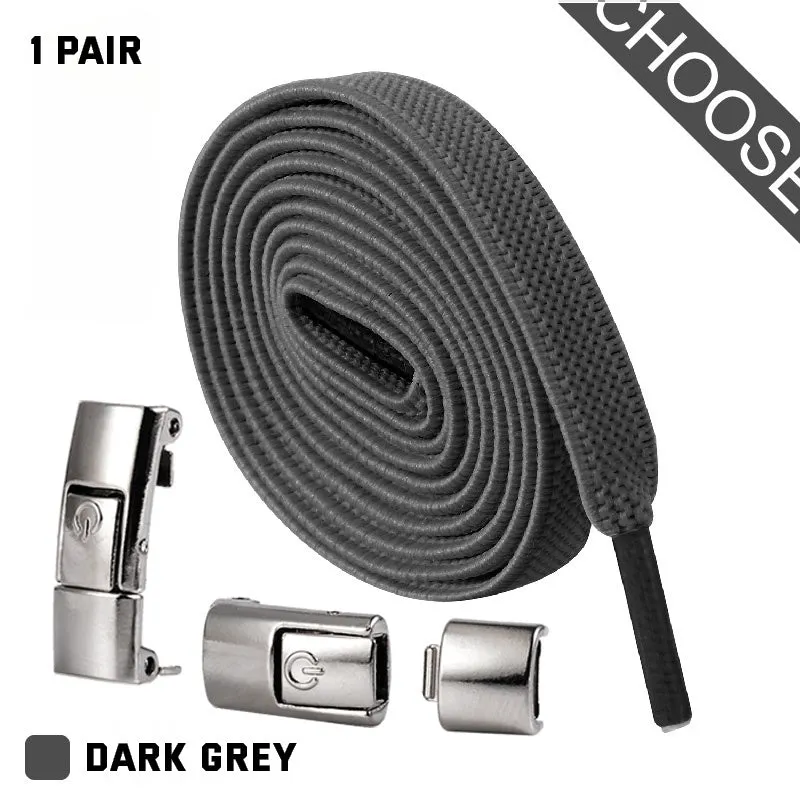
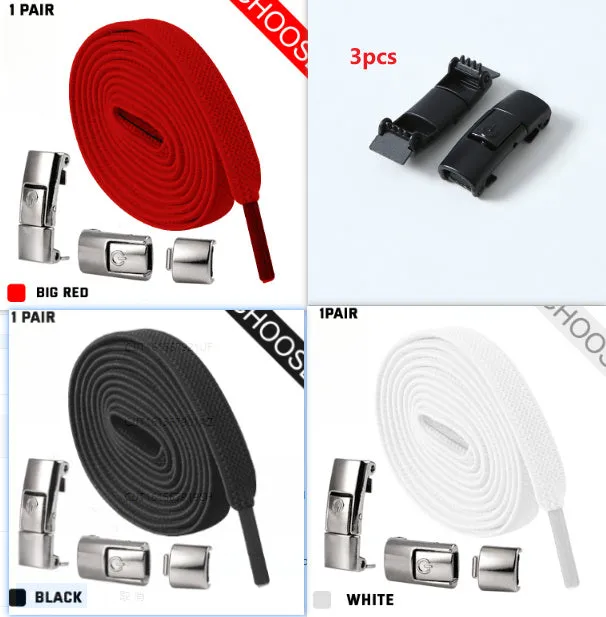
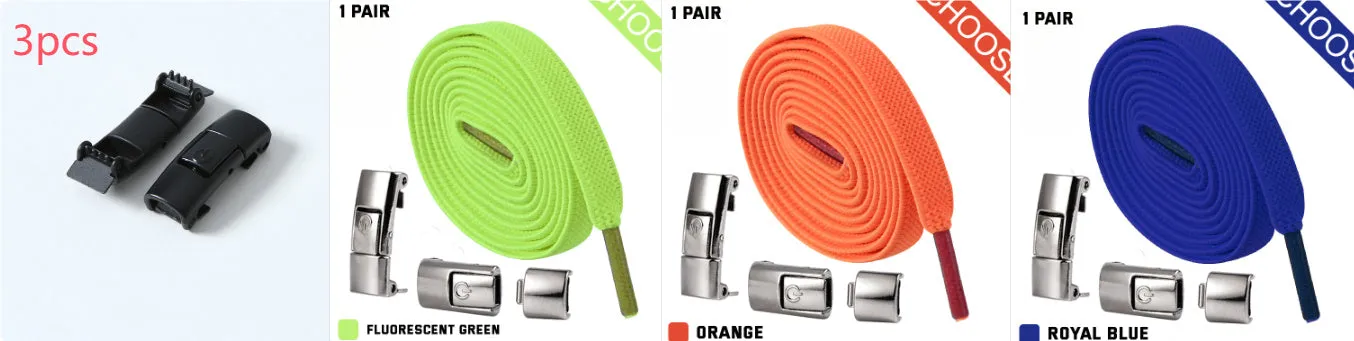
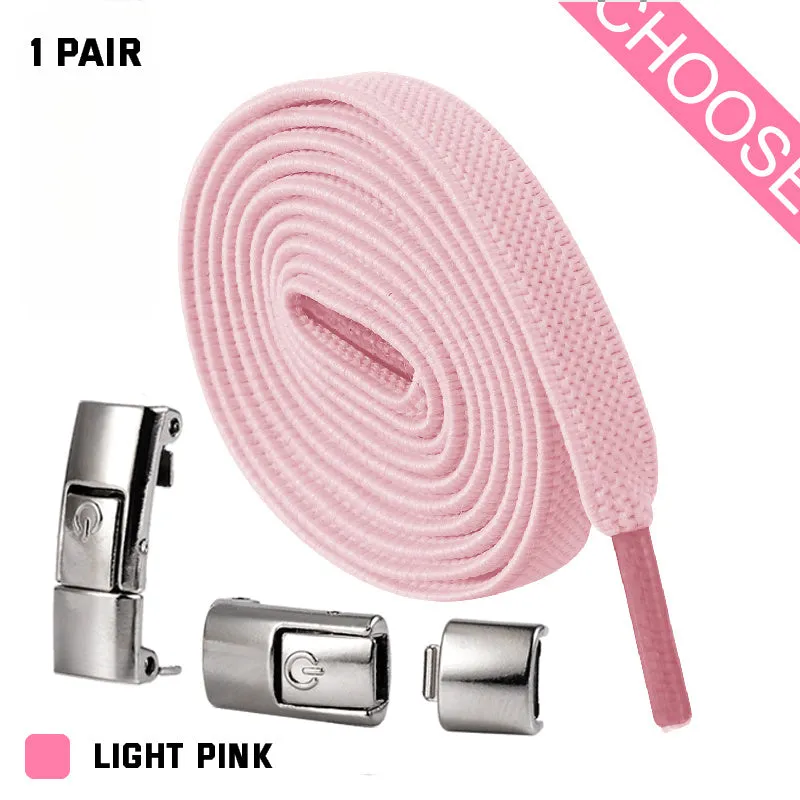
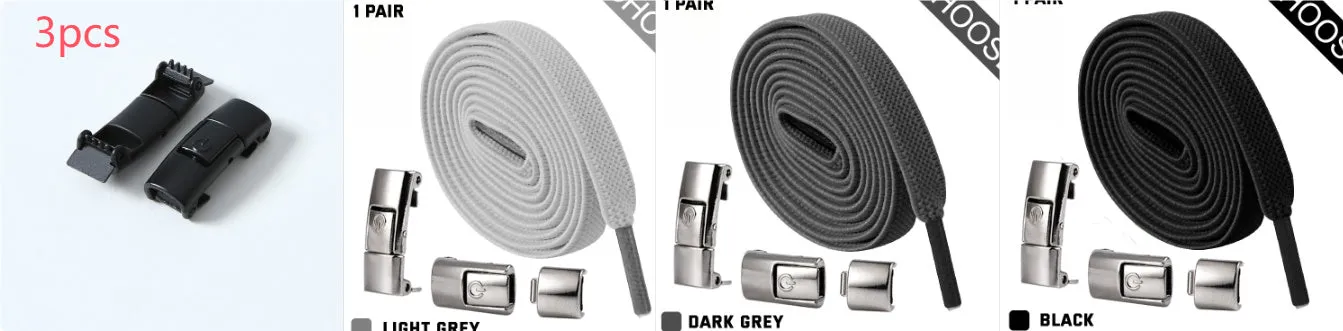
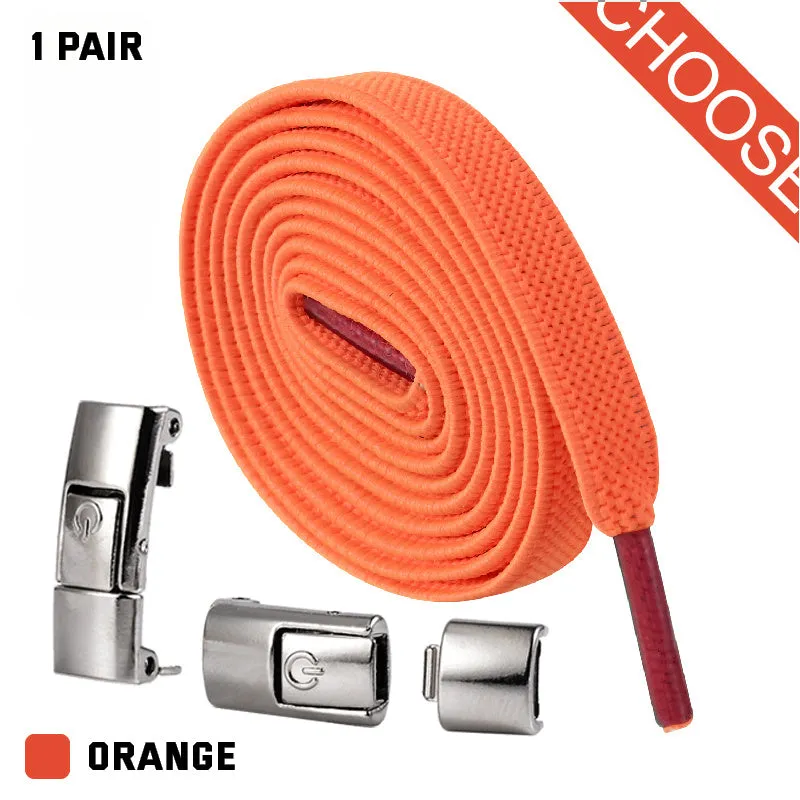
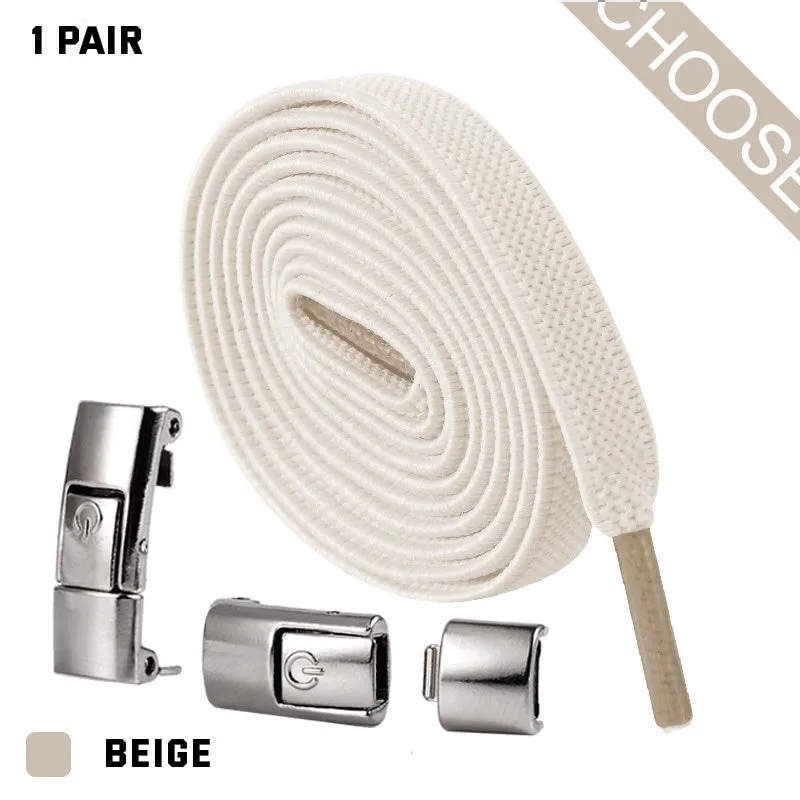
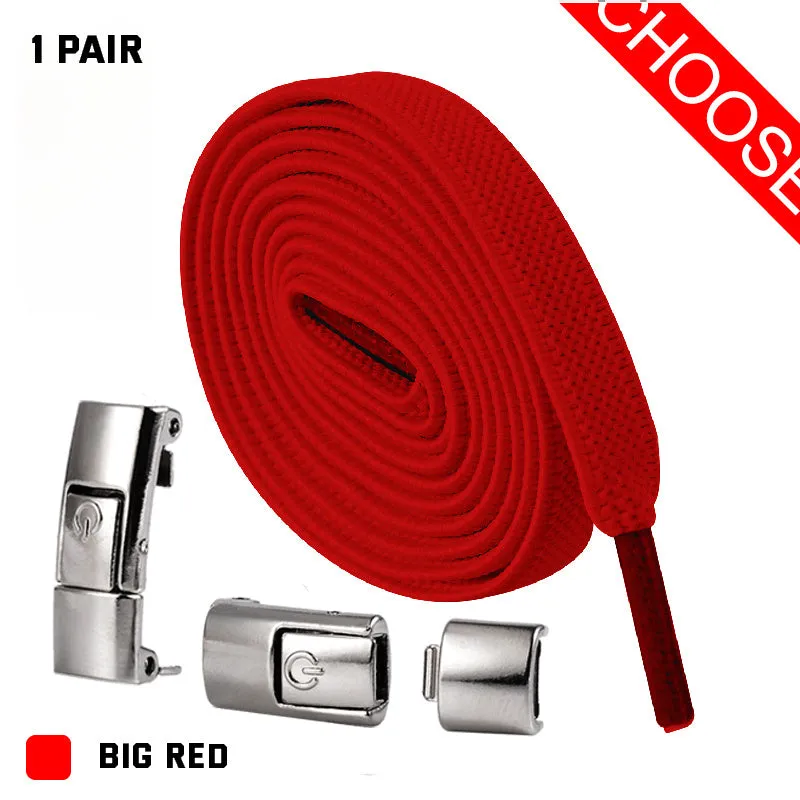
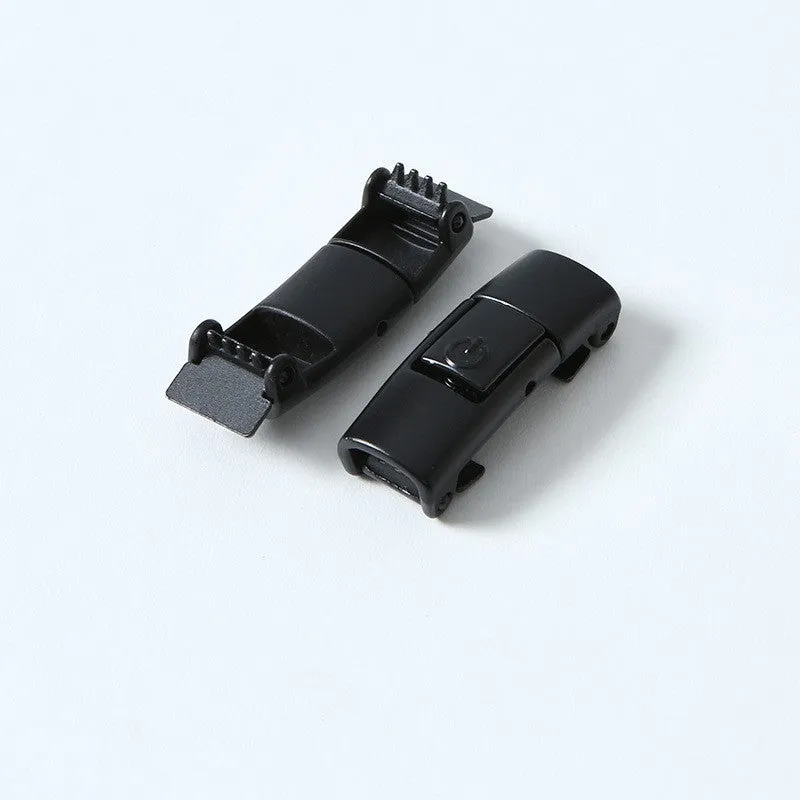
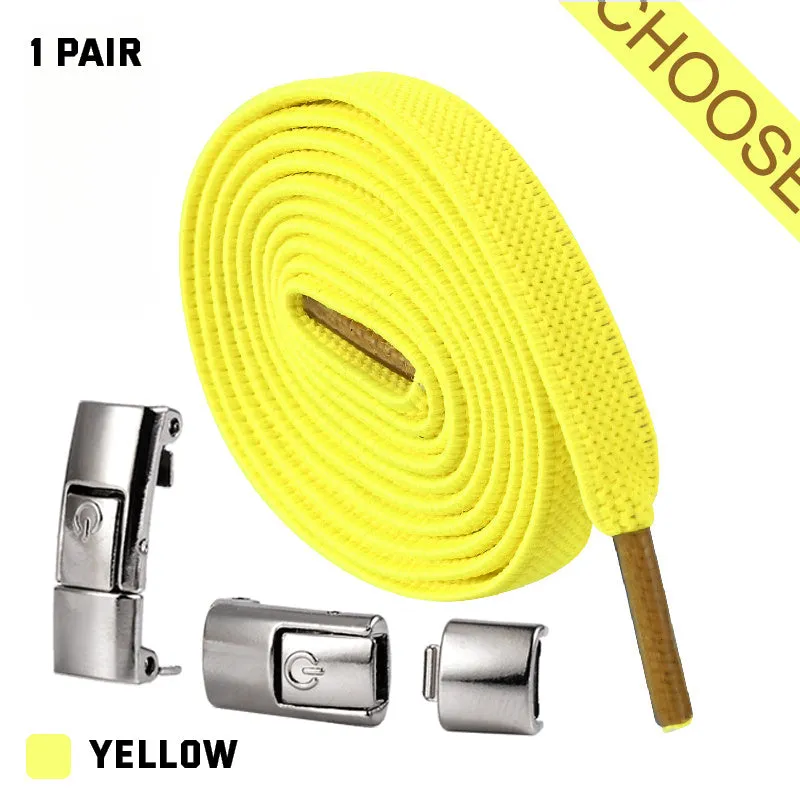
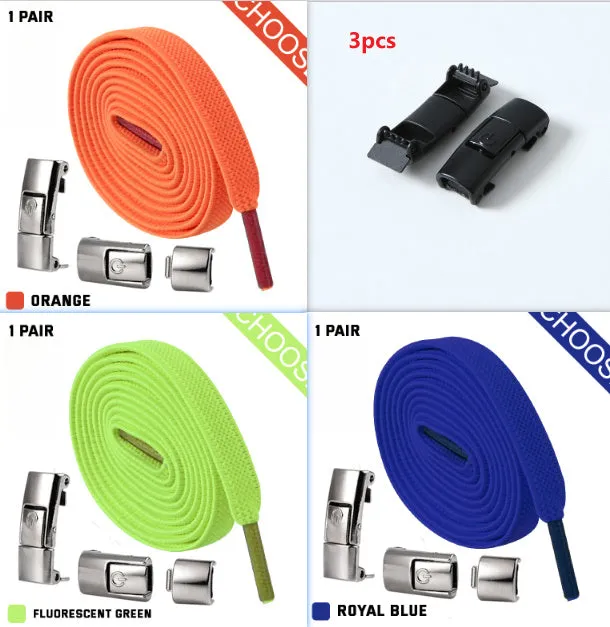
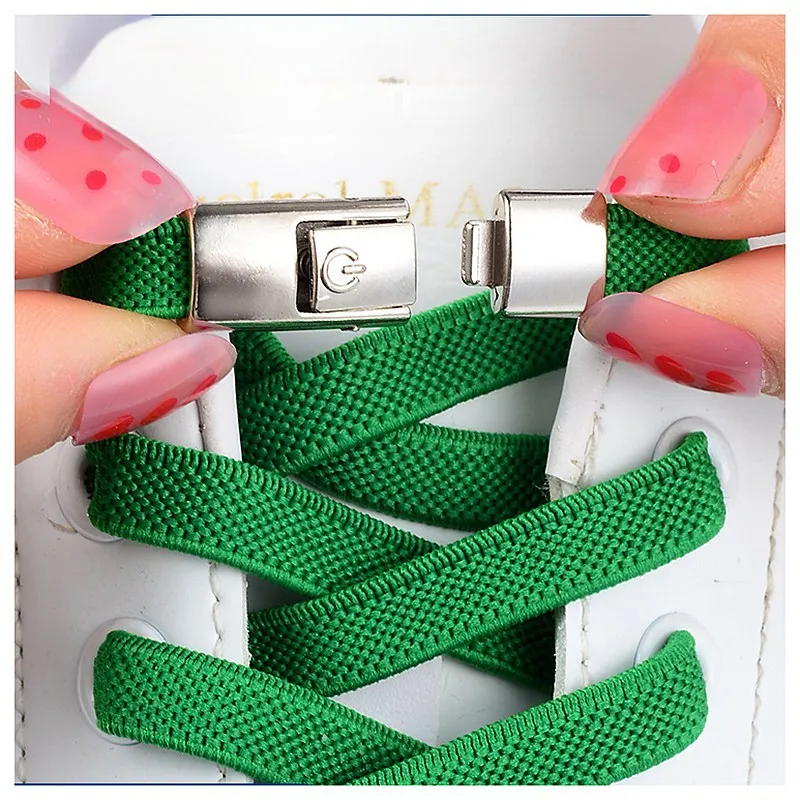
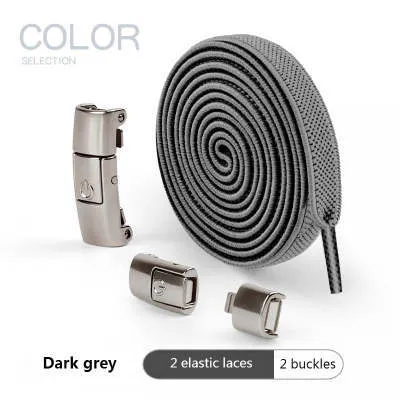
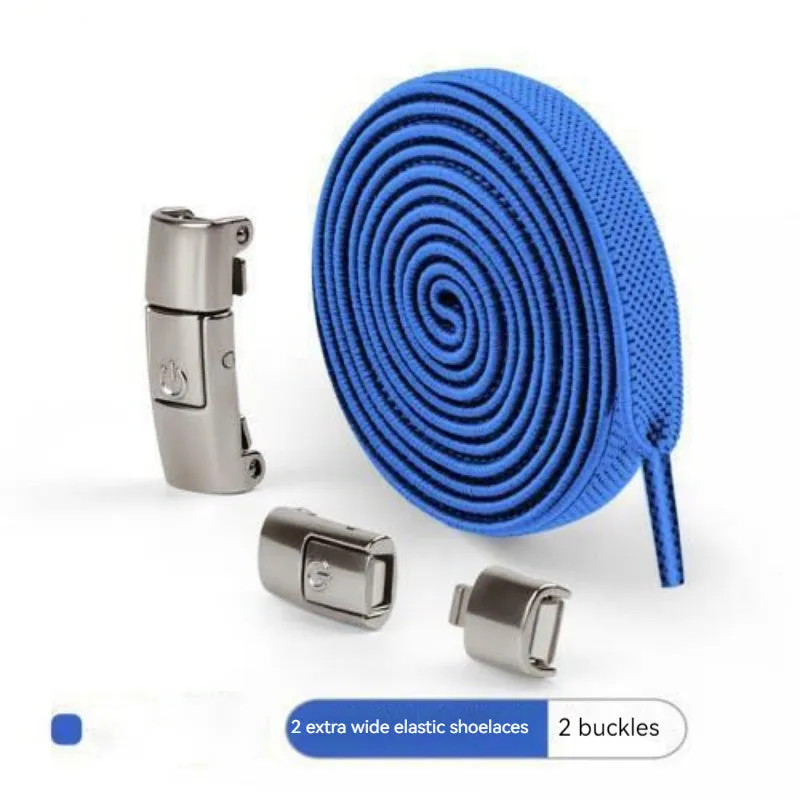
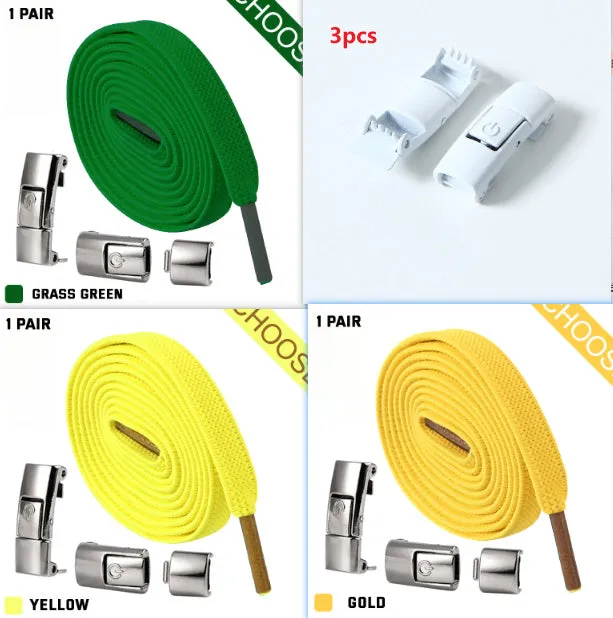
The construction of these shoelaces centres on two key elements: the elastic lace material and the press lock fastener. This combination is intended to deliver a secure, adjustable fit while simplifying the process of putting on and taking off shoes. The design considers both functionality and basic comfort for everyday wear.
The laces are made from a soft cotton weave. According to the source information, this material is chosen for its anti-pilling and anti-snagging qualities, which may help the laces maintain their appearance over time with regular use. The lace itself is a widened, flat style measuring 8MM, which can provide a broader surface area against the shoe and potentially offer a more secure feel in the eyelets compared to round cords.
These laces are marketed as a one-size-fits-all product. The elastic nature of the cord allows it to accommodate various shoe sizes and lacing patterns. The press lock mechanism is the primary method for adjusting the tightness; you pull the lace through to your preferred tension and then press the lock to secure it in place. The source text notes that the lock is designed to be tight and firm, which aims to prevent the lace from slipping and loosening unexpectedly during wear.
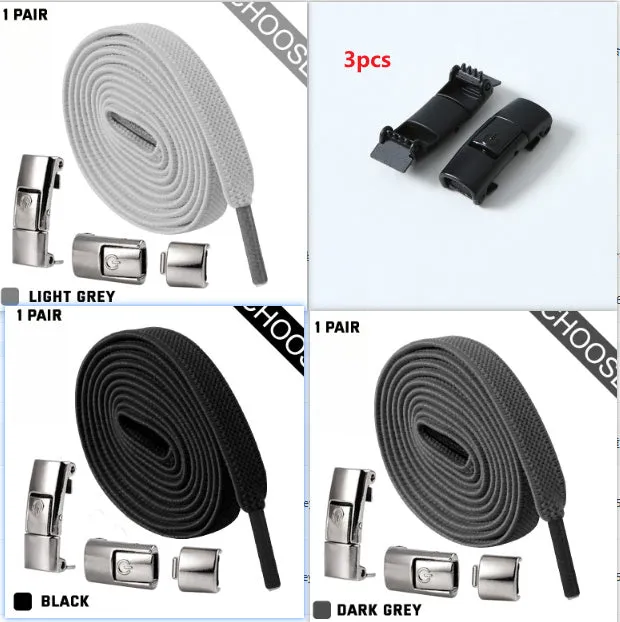
This type of no-tie lace system is versatile and can be applied to many common types of footwear. Its main advantage is simplifying the lacing process, which can be particularly useful in specific scenarios or for certain users who prefer not to deal with traditional laces.
For athletic or professional contexts where speed and efficiency are valued, these laces can save time. Athletes, gym-goers, or individuals in certain work environments might appreciate the ability to put on and secure their shoes quickly without fiddling with knots. The firm lock is intended to keep the fit consistent throughout activity, and the soft cotton material aims to reduce friction against the foot or ankle.
For daily casual wear, these laces offer straightforward convenience. They can be especially practical for children learning to put on their own shoes, as mastering the press lock is generally simpler than tying a bow. The curved fit design mentioned in the source is intended to contour to the foot and reduce points of pressure or irritation, which supports all-day comfort for walking, commuting, or general wear.
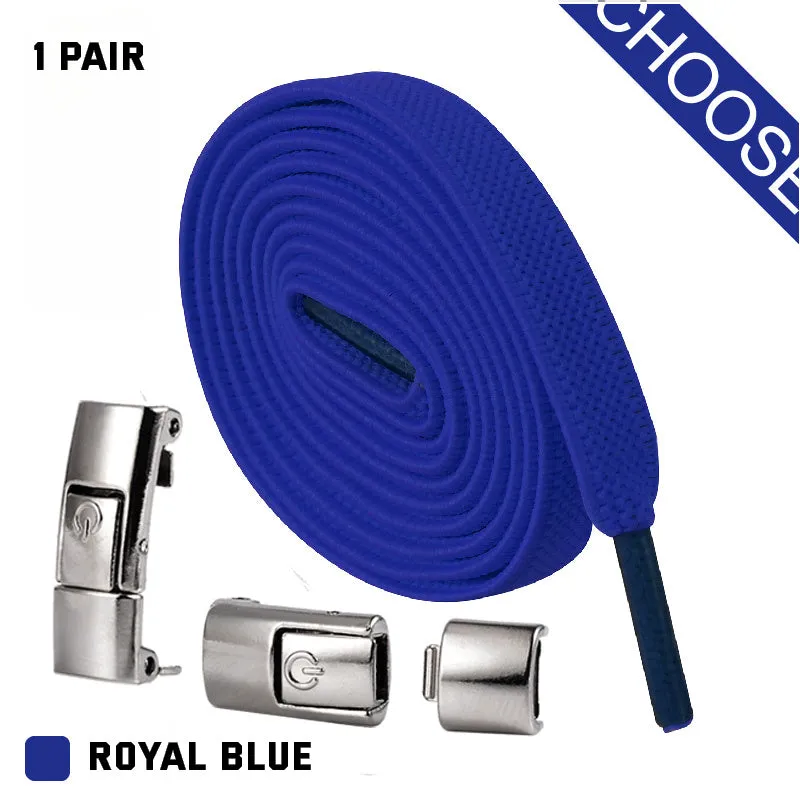
The value of these shoelaces lies in their offered convenience and the specific construction details provided. They address a common minor hassle—tying laces—with a mechanical solution, and their material choices target durability in terms of fabric integrity.
As a replacement accessory, these laces are designed for reuse. Once installed on a pair of shoes, they can be used repeatedly. The anti-pilling and anti-snagging properties attributed to the cotton weave suggest an effort to make the laces resistant to common wear issues, which could contribute to a longer usable lifespan with minimal special care required—typically just occasional cleaning if needed.
You might consider these press lock laces if you seek a no-tie alternative for your sneakers or shoes. The key differentiators are the 8MM widened flat elastic design, the firm press lock mechanism for security, and the soft cotton material aimed at comfort and resistance to pilling. They present a functional swap for standard laces, particularly for those who value quick transitions or have difficulty with traditional tying methods.