Stay Inspired
Subscribe for exclusive tips and storage ideas to elevate your kitchen.


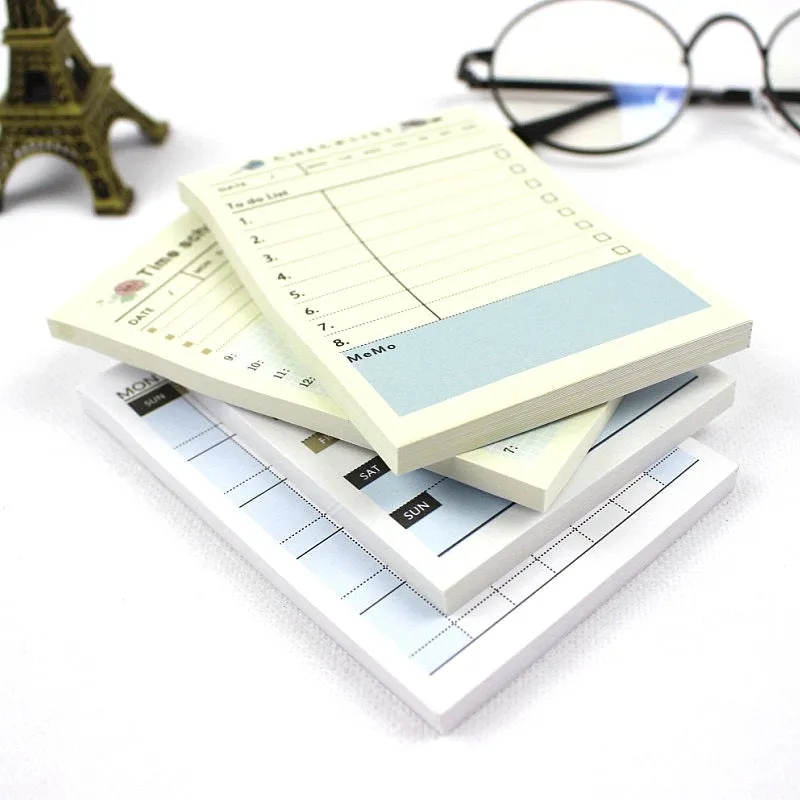
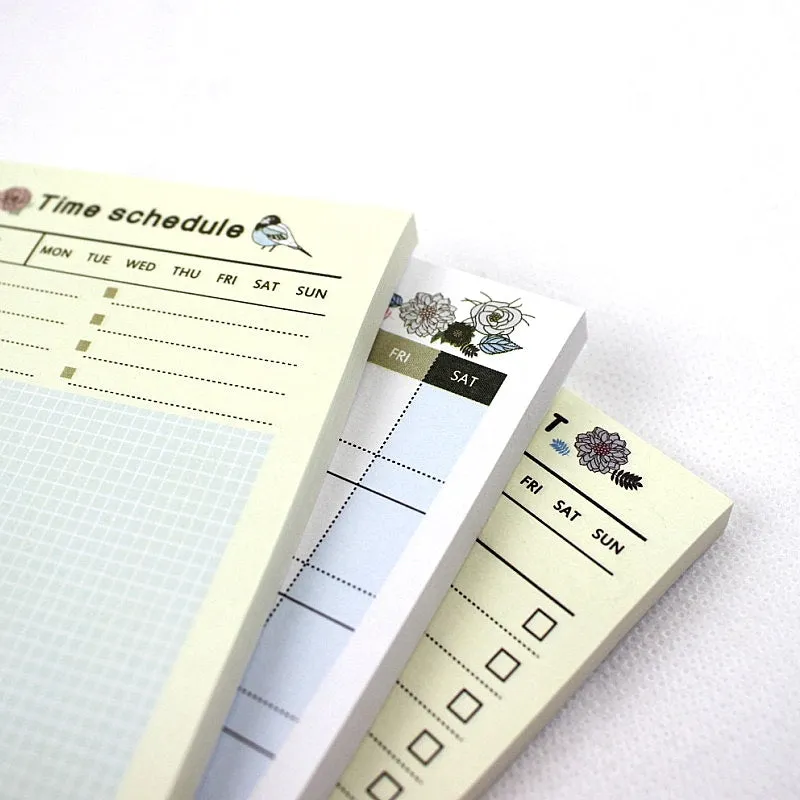
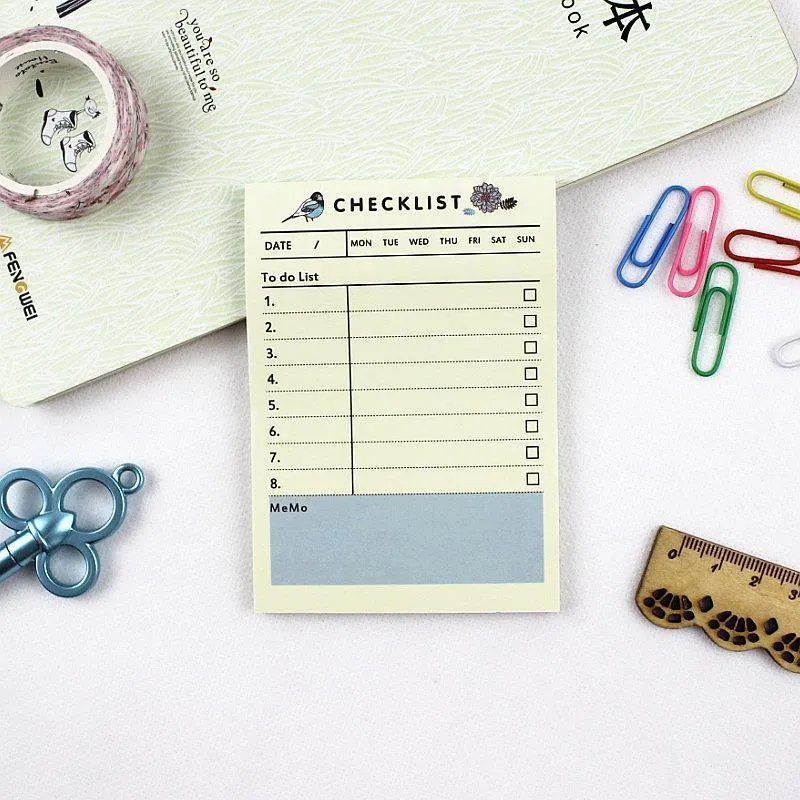
This practical work diary addresses the need for organised time management and task recording in a portable format suitable for professionals, students, and anyone requiring structured planning. With its 60-page capacity across four distinct planning styles, it offers flexibility for different organisational approaches without occupying significant bag space. The 10.2x7.2cm dimensions ensure it remains unobtrusive yet functional, while the paper construction provides familiar writing experience without requiring specialised equipment. This diary eliminates the need for multiple separate notebooks by consolidating different planning formats into one accessible product.
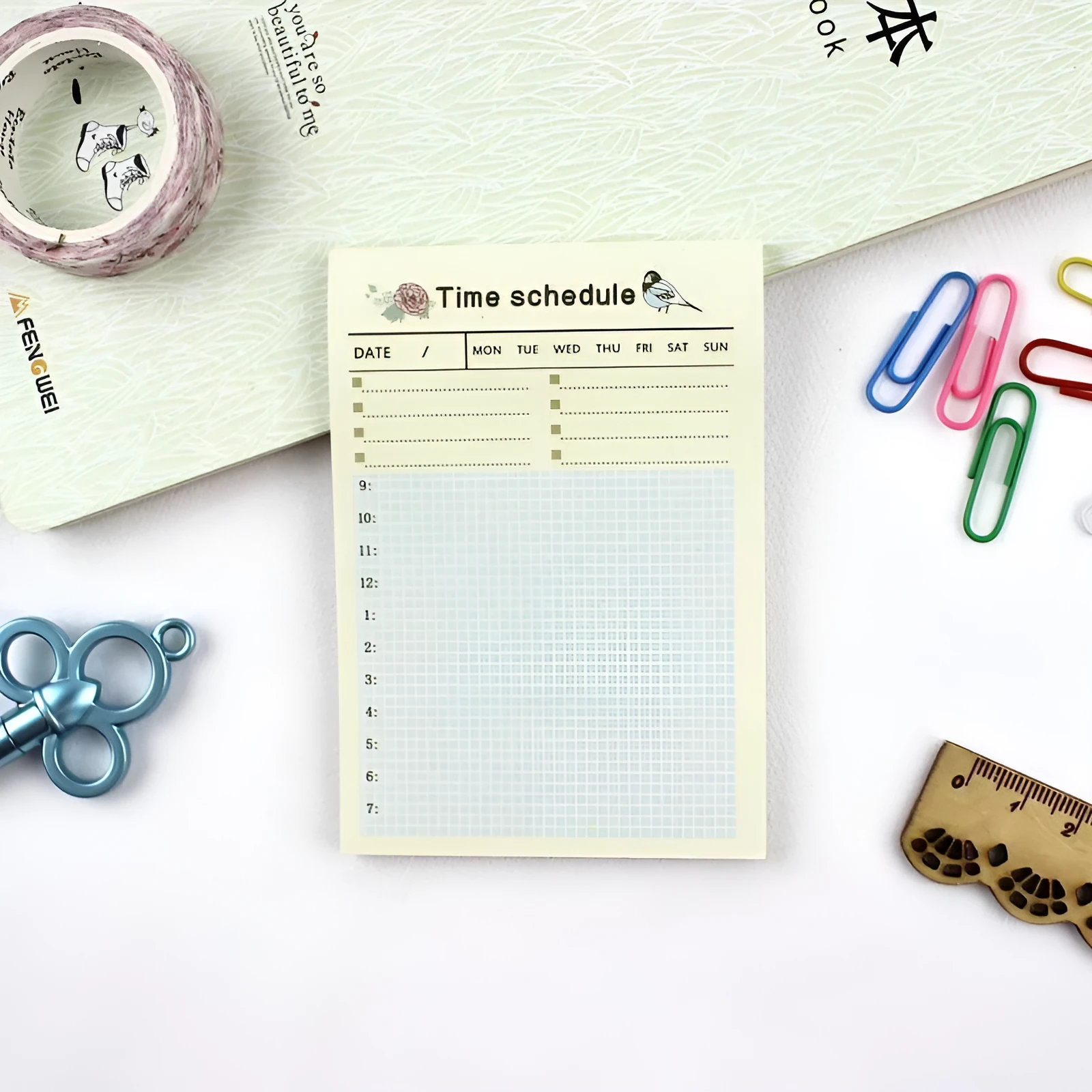
The work diary presents a straightforward construction focused on practical functionality rather than elaborate design elements. Its primary components centre around the paper pages and compact format that prioritise usability within constrained spaces. This section details the material composition and dimensional characteristics that define the product's physical presence and handling qualities.
The diary utilises standard paper sheets for its 60 pages, providing writing surfaces compatible with most common writing instruments including ballpoint pens, pencils, and fine-liner markers. This material choice ensures predictable ink behaviour without bleed-through concerns when using appropriate pressure and ink types. The paper weight and texture follow conventional notebook standards, offering familiar tactile feedback during writing sessions without requiring adjustment periods. No specialised coatings or treatments are indicated, maintaining simplicity in material selection that aligns with straightforward functionality.
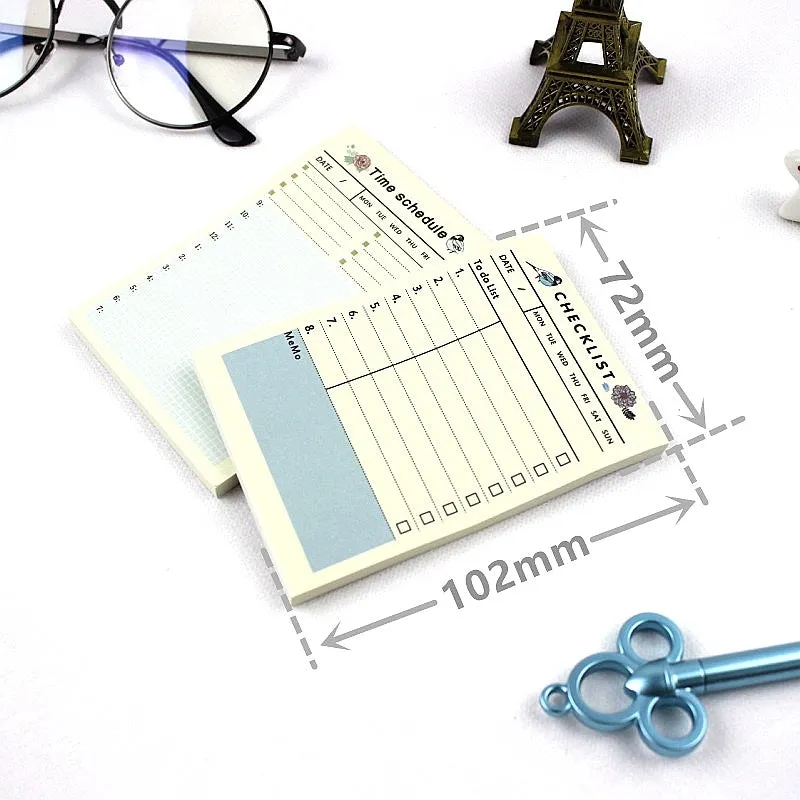
With dimensions measuring 10.2x7.2cm, this diary occupies minimal space while providing adequate writing area for concise planning entries. The compact format allows storage in shirt pockets, small handbag compartments, or alongside mobile devices in protective cases. Approximately 35g in weight, it adds negligible burden to carried items while remaining substantial enough to handle comfortably during writing. The size-to-page-count ratio balances portability with usable capacity, offering multiple planning sessions without requiring frequent replacement common with smaller notepads.
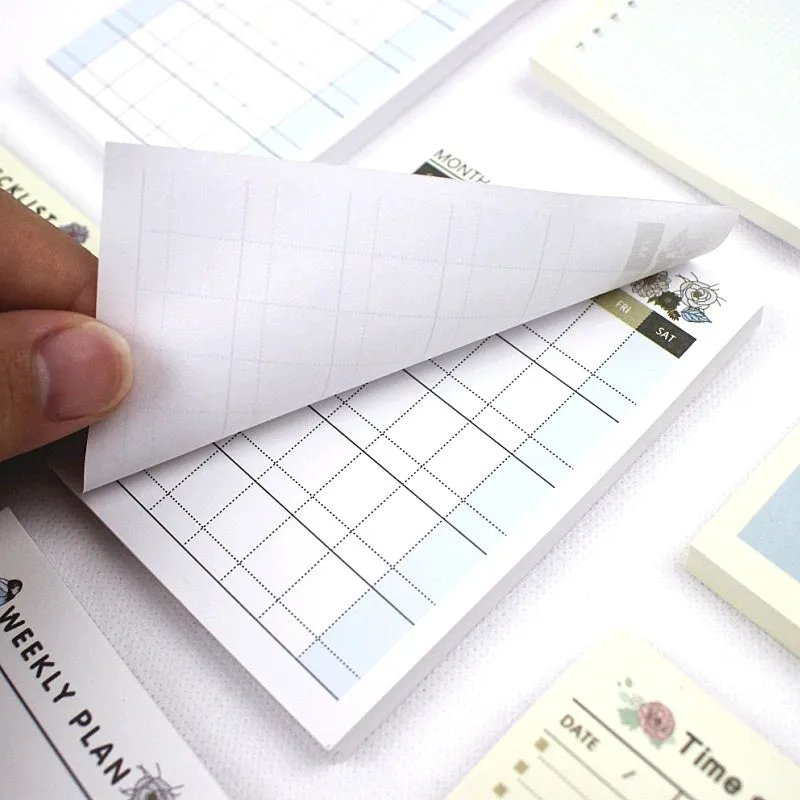
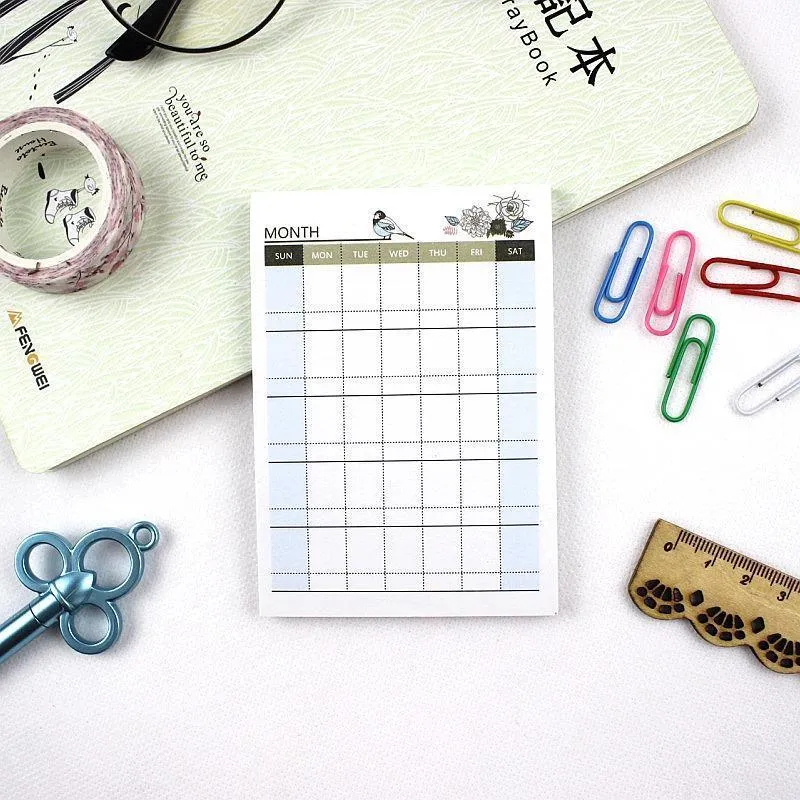
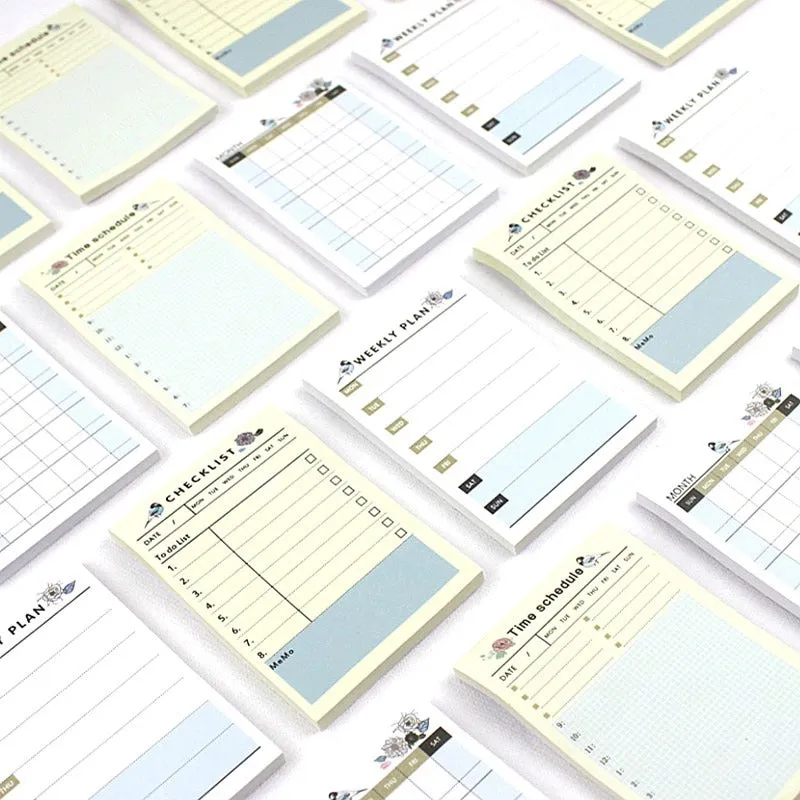
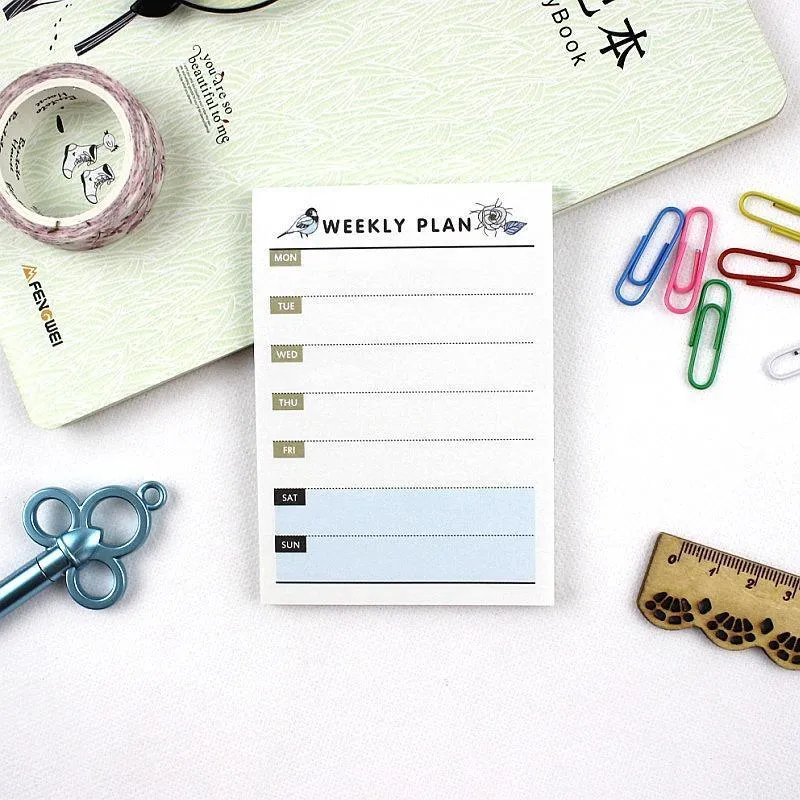
The diary's four style options enable varied application across different planning scenarios, from brief daily task lists to structured weekly overviews. This flexibility makes it suitable for diverse user requirements without necessitating multiple specialised products. Understanding how each format functions helps users select the most appropriate style for their specific organisational needs and integrate the diary effectively into their existing routines.
For professional settings, the weekly and monthly plan formats provide structured frameworks for scheduling appointments, deadlines, and project milestones. The time plan book style (option A) supports precise hourly scheduling for meetings and time-sensitive tasks common in office environments. Daily note book formatting (option B) accommodates meeting minutes, action items, and follow-up tasks requiring documentation. These systematic approaches help maintain organised records for work-related activities without relying on electronic devices that may require charging or connectivity.
In domestic contexts, the diary assists with household management through shopping lists, appointment tracking, and family schedule coordination. The monthly plan format supports overview planning for bill payments, social engagements, and recurring household responsibilities. Daily pages facilitate quick note-taking for phone messages, reminder lists, and spontaneous ideas requiring recording. The portable size encourages carrying throughout home spaces, enabling immediate notation without searching for writing materials during busy household moments.
The diary's value proposition centres on consolidation of planning functions, elimination of multiple separate notebooks, and consistent availability of recording surfaces. These practical advantages translate to reduced organisational complexity and increased reliability in maintaining planning systems. This section examines how the product delivers practical benefits through its specific design attributes and functional characteristics.
The 60-page capacity provides multiple weeks or months of use depending on entry density, reducing replacement frequency compared to smaller notepads. Paper construction requires no charging, software updates, or technical troubleshooting associated with digital alternatives. Standard material compatibility ensures continued usability with commonly available writing instruments without requiring specialised supplies. The absence of electronic components eliminates concerns about battery depletion, data loss, or technical obsolescence that can interrupt planning consistency.
Selection of this diary prioritises functional differentiation through four distinct planning formats unavailable in single-format notebooks. The combination of weekly, monthly, daily, and time-specific planning options accommodates varied organisational approaches within one product. Compact dimensions address portability requirements for users who carry planners throughout daily activities without sacrificing writing space adequacy. Paper-based operation ensures immediate usability without setup procedures, learning curves, or dependency on external power sources that can delay planning commencement.