Stay Inspired
Subscribe for exclusive tips and storage ideas to elevate your kitchen.


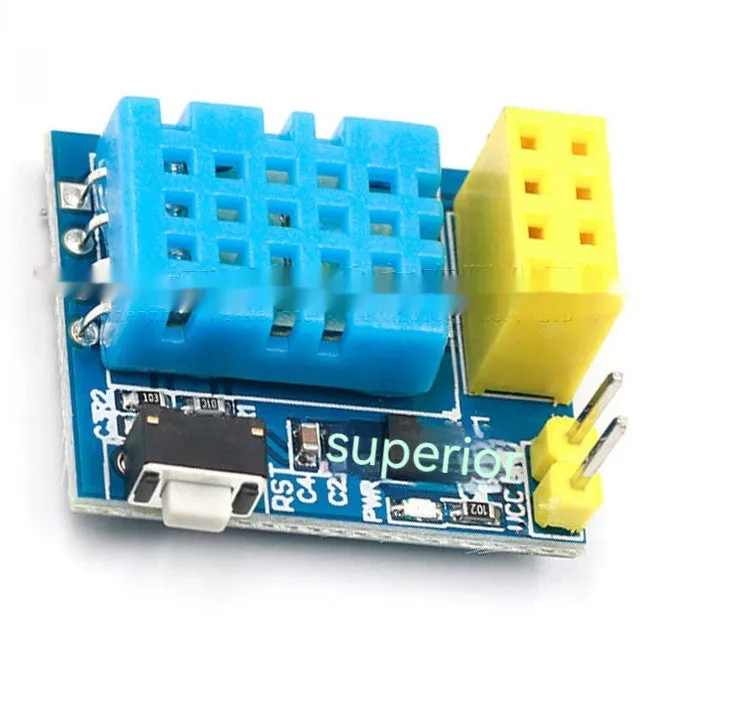
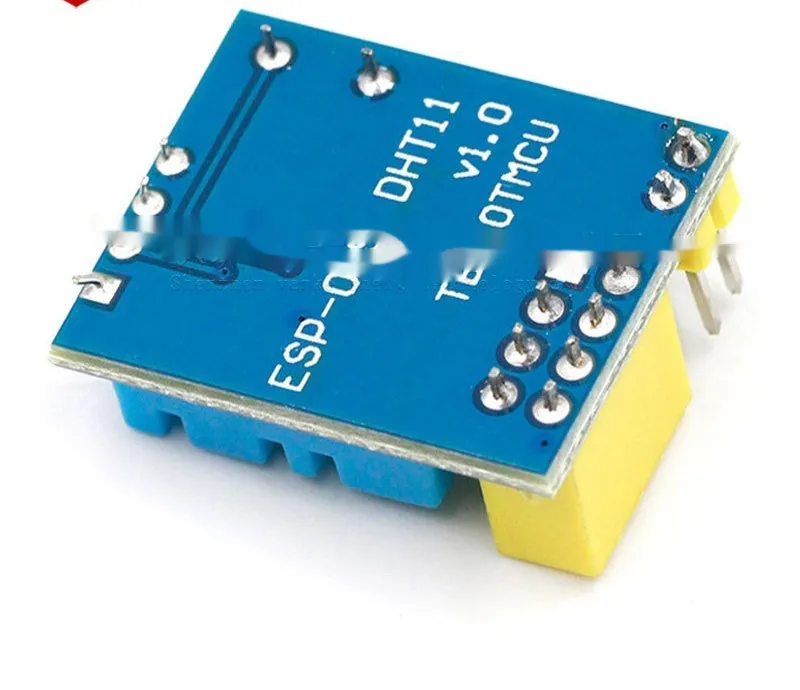
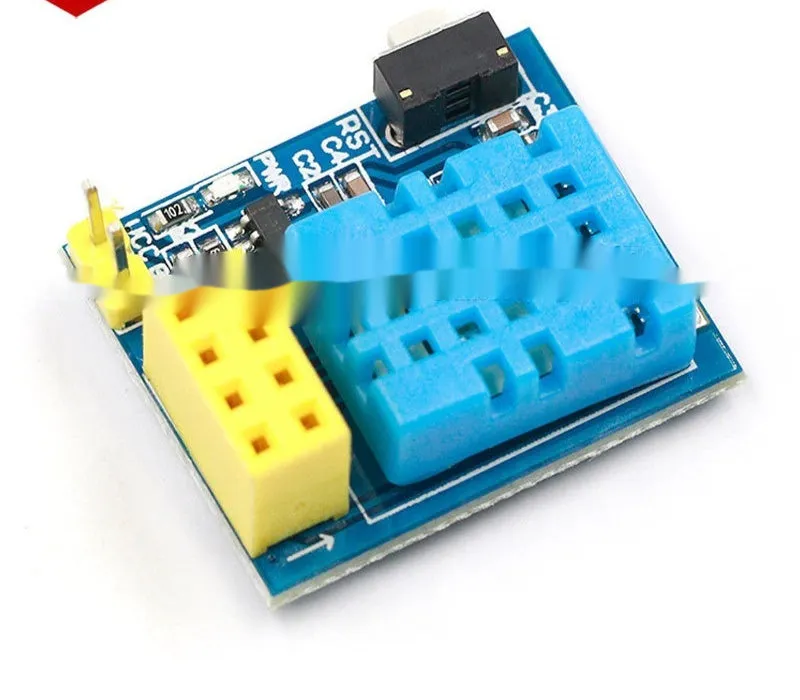
This compact WiFi node module provides a practical solution for remote environmental monitoring applications requiring both temperature and humidity data transmission. The integrated DHT11 sensor delivers reliable measurements within specified operating ranges, while the flexible power supply options from DC 3.7V to 12V accommodate various installation scenarios. Designed as a single-unit power module, this device offers straightforward integration into monitoring systems where space constraints or portable operation are considerations.
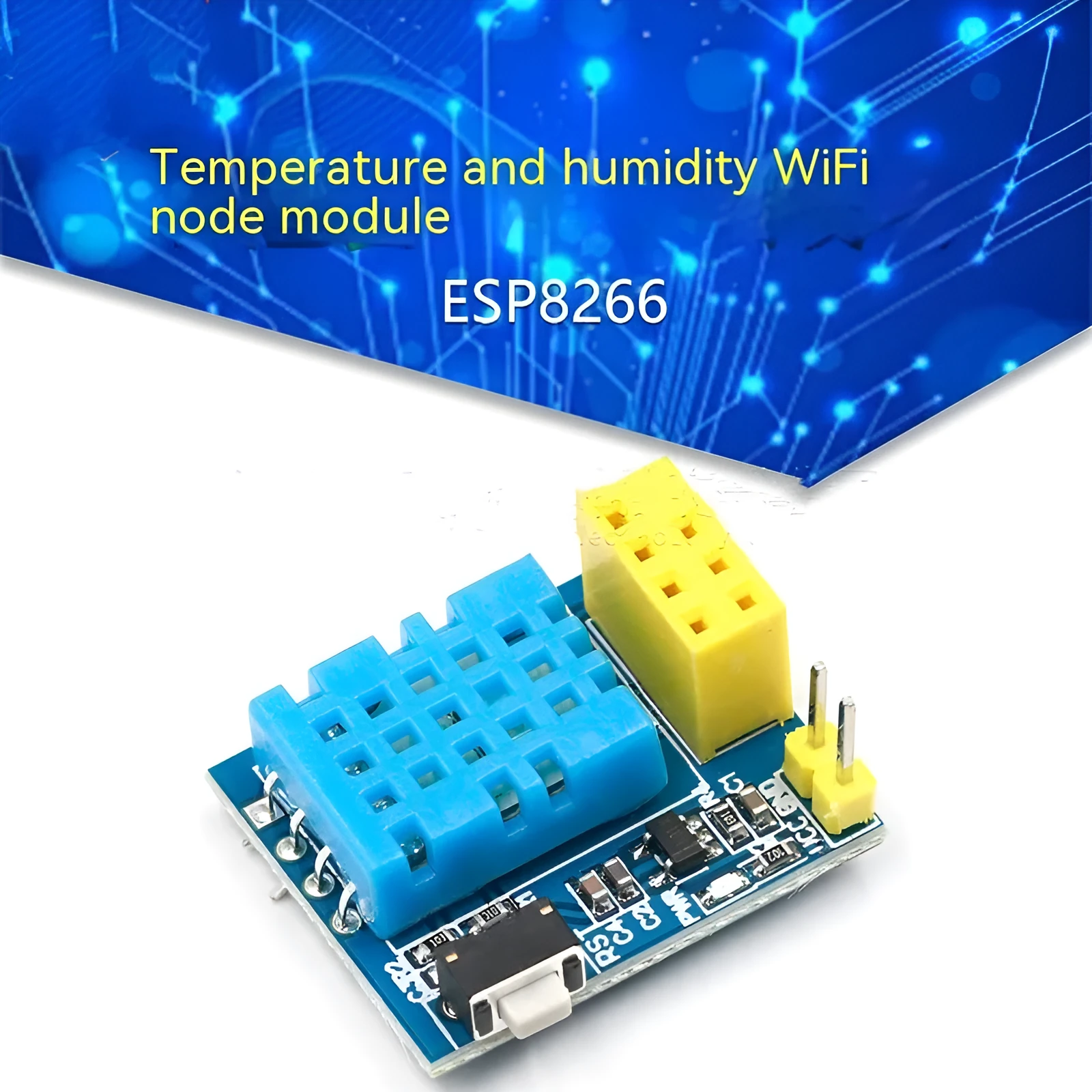
The module combines essential monitoring functionality with practical connectivity in a minimal footprint design. Its construction focuses on reliable environmental data acquisition and wireless transmission capabilities suitable for both professional and DIY monitoring applications.
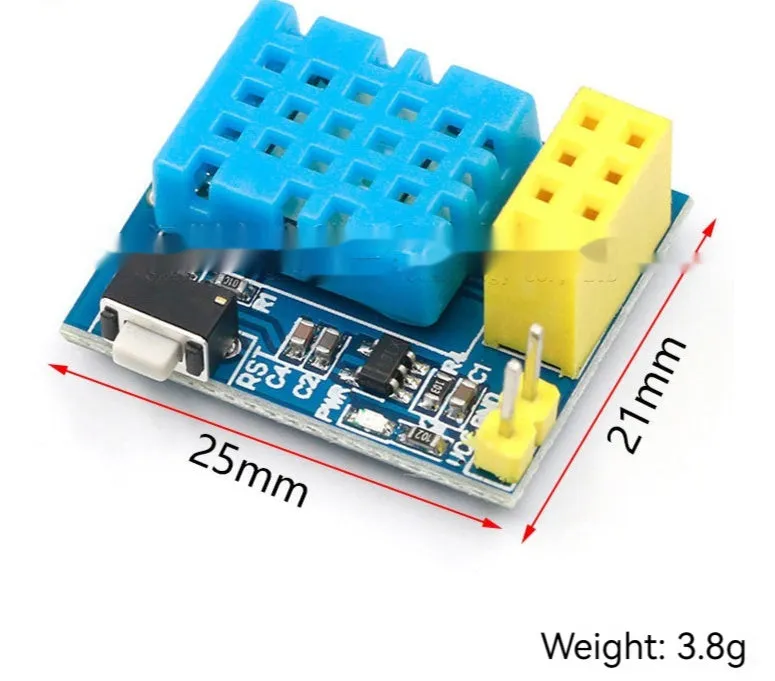
Built around standard electronic components with the DHT11 temperature and humidity sensor as its core measurement element, the module utilises printed circuit board construction. This approach ensures consistent performance within the specified measurement ranges while maintaining the compact 25mm by 21mm form factor. The design incorporates power management circuitry capable of handling the wide DC 3.7V to 12V operating range, including specific support for 3.7V lithium battery configurations.
With dimensions of just 25mm by 21mm and weighing only 3.8g, the module's compact profile allows for installation in space-limited environments. This small footprint makes it suitable for integration into existing enclosures, temporary monitoring stations, or portable measurement devices. The minimal weight contributes to easy mounting and reduces structural support requirements in various installation scenarios.
The module's combination of environmental sensing and WiFi connectivity supports multiple application scenarios where remote monitoring or data logging is required. Its specified measurement ranges of 20-90% RH and 0-50°C cover typical indoor environmental conditions.
For professional monitoring applications, the module provides a cost-effective solution for environmental data collection in warehouses, server rooms, greenhouses, or laboratory settings. The WiFi connectivity enables remote monitoring without extensive wiring, while the DHT11 sensor delivers the specified measurement accuracy required for basic environmental assessment. The support for lithium battery power allows temporary deployment in locations without immediate mains power access.
In residential settings, the module can monitor room conditions for comfort optimisation, humidity control in bathrooms or kitchens, or temperature verification in living spaces. The compact size permits discreet placement on shelves, near windows, or in utility areas without occupying significant space. The straightforward single-unit configuration simplifies setup for homeowners interested in basic environmental monitoring.
The module delivers practical monitoring capability through its integrated sensor approach and flexible power options. Its design prioritises functionality within the stated specifications while maintaining accessibility for various user levels.
The solid-state construction with no moving parts contributes to reliable operation with minimal maintenance requirements. The specified operating voltage range allows compatibility with various power sources, potentially extending the module's useful lifespan as power requirements evolve. The DHT11 sensor's defined measurement ranges provide consistent performance for typical environmental monitoring needs.
This WiFi node module offers a complete environmental monitoring solution in a single compact unit, eliminating the need for separate sensor and transmitter components. The inclusion of lithium battery support alongside standard DC power inputs provides deployment flexibility uncommon in similarly priced monitoring modules. The defined measurement ranges of 20-90% RH and 0-50°C cover the majority of indoor monitoring requirements without unnecessary specification overhead.