


Stay Inspired
Subscribe for exclusive tips and storage ideas to elevate your kitchen.


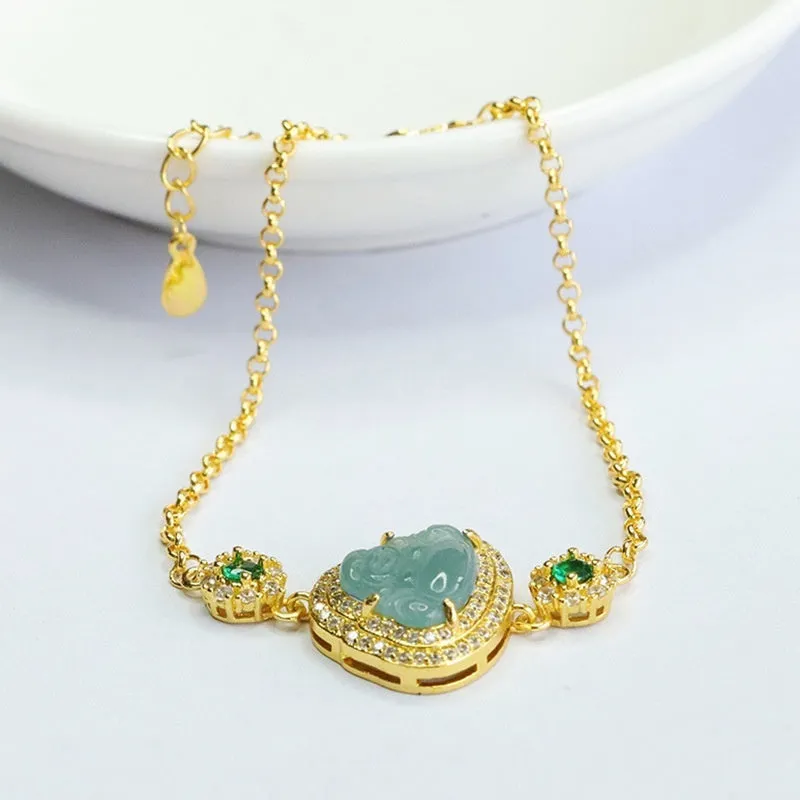
This jade bracelet presents a specific interpretation of Buddhist symbolism through jewellery, centred on a depiction of Maitreya Buddha. The product's defining characteristic is its use of an 'inlaid jade' treatment process to create the central Buddha figure, finished in a noted emerald blue water colour. With a clear size of approximately 10mm by 13mm, the bracelet offers a tangible and visually distinct focal point. It is explicitly styled and intended for women, providing a spiritual accessory option grounded in a traditional craft technique applied to a semi-precious stone material.
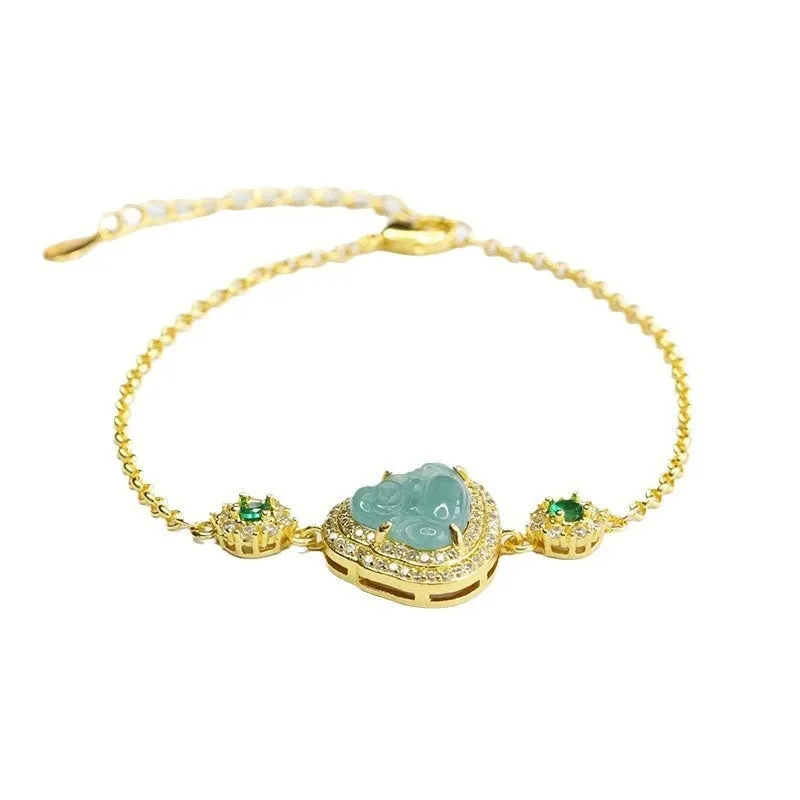
The bracelet's identity is built around several concrete, source-supported specifications that define its appearance and intent. Its value lies in the clarity of these provided details, from the specific crafting method to its designated wearer.
The bracelet is constructed from jade, with the source specifically highlighting the 'inlaid jade' treatment process. This indicates a technique where the jade material has been cut, shaped, and set to form the detailed Maitreya Buddha figure, rather than being a simple carved bead. The information confirms jade as the sole stated material, without claims of additional metals, cords, or embellishments, focusing the product's identity on this single stone and its applied craftsmanship.
The key decorative element, the Buddha bead, is sized at approximately 10mm by 13mm. This measurement provides a sense of the piece's scale and visual weight on the wrist. The product is explicitly listed under 'Applicable: Women's', directing its design and proportioning towards female wearers. The packing list confirms a single bracelet is included, clarifying the unit of purchase.

This bracelet serves a dual purpose as both a piece of jewellery and an object of personal spiritual or cultural significance. Its use cases flow directly from its stated design elements and intended audience.
The Maitreya Buddha imagery connects the bracelet to Buddhist traditions and symbolism, making it suitable for personal meditation, as a mindful gift, or for wear during cultural or religious observances. The specific 'emerald blue water' colour, even without further description, suggests a chosen aesthetic that may carry its own symbolic or artistic value. It functions as a wearable token of faith, optimism (associated with Maitreya), or personal intention.
As a piece of jewellery, its primary everyday function is aesthetic adornment. The defined 10x13mm size and blue colour offer a versatile accessory that can complement various outfits. When not being worn, the bracelet can serve as a decorative object in the home, perhaps placed on a small stand or altar due to its religious iconography, acting as a constant visual reminder of its symbolic meaning.
The value of this product is anchored in its specific, disclosed attributes rather than unsupported emotional claims. It provides a clear proposition based on material, craftsmanship, and symbolism.
Jade, as a material, is generally recognised for its hardness and potential for longevity with proper care. The bracelet's value includes its potential for long-term wear and reuse as a durable personal item. Maintenance is straightforward: care should be taken to avoid knocks against hard surfaces that might chip the inlaid work, and cleaning would involve only a soft, damp cloth, avoiding chemical cleaners that could damage the stone's surface or any adhesive used in the inlay process.
This bracelet is chosen for its precise combination of attributes: the spiritual motif of Maitreya Buddha, the specific 'inlaid jade' craftsmanship, the distinctive emerald blue water colour, and the women's-specific design. It appeals to a buyer seeking a jewellery item with explicit cultural or religious resonance, made from a traditional semi-precious material using a noted technique. It offers a concrete alternative to more generic or secular bracelet designs, providing a focused symbol through its wearable art.
