


Stay Inspired
Subscribe for exclusive tips and storage ideas to elevate your kitchen.


This intelligent LED down light uses infrared technology to detect body movement and provide automatic illumination exactly when needed. Designed for indoor residential areas with intermittent traffic patterns, it offers a practical solution for spaces where hands-free lighting adds convenience while potentially reducing energy consumption. The light operates on standard 220V power and comes in four distinct variants, allowing you to select both the brightness level and the operating schedule that best matches your specific requirements. With its aluminium construction and straightforward application in kitchens, studies, and toilets, it provides a functional approach to automated lighting without complex programming.

The core functionality of this lighting product centres on its motion-activated operation and configurable settings. It is built to respond to occupancy rather than relying on manual switches, making it suitable for transitional spaces. The available configuration options let you tailor its performance to different household routines and lighting needs.
The light fixture is constructed from aluminium, a material commonly used in lighting applications for its functional properties. This construction provides the necessary housing for the electronic components and LED light source. The build supports the product's intended use in standard indoor residential environments, aligning with typical fixture materials for such applications.
While exact dimensions aren't specified in the source information, the product is described as a down light designed for installation in ceiling or similar fittings. Its designated spaces—kitchens, studies, and toilets—indicate it's suited for rooms with standard ceiling heights and typical domestic lighting requirements. The 220V operation confirms compatibility with standard UK residential electrical systems, ensuring straightforward integration into existing home wiring where appropriate.
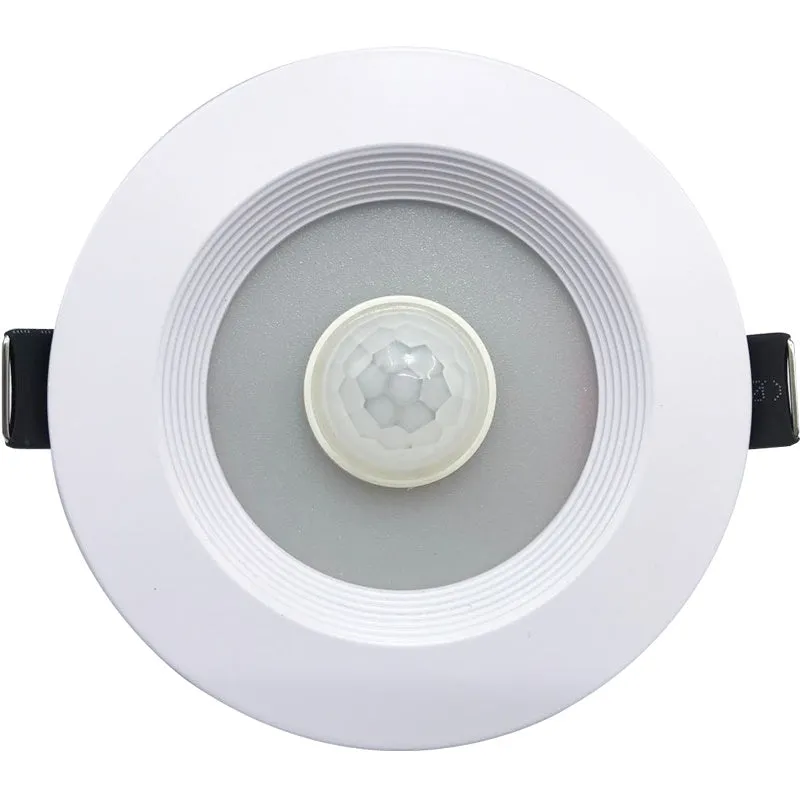
The specified application areas highlight where this motion-sensing light provides the most practical benefit. These are spaces where occupants frequently enter briefly with their hands occupied, or where additional safety and convenience are valued during nighttime hours. The product addresses specific scenarios within domestic environments rather than commercial or outdoor settings.
The source text focuses solely on residential applications, specifically mentioning kitchens, studies, and toilets. There is no indication of suitability for events, professional environments, or commercial spaces. The design appears optimised for household use where predictable motion patterns occur and where 220V power is readily available. The induction modes support domestic routines, whether for nighttime bathroom visits or kitchen access during darker hours.
In a kitchen, the light can illuminate work areas when carrying items or with wet hands. In a study, it provides light upon entering without searching for a switch. In a toilet, it offers nighttime guidance without bright overhead lighting. The choice between 3W and 5W models allows matching brightness to room size and purpose—3W for subtle pathway lighting, 5W for task-appropriate illumination. The night-only versus 24-hour induction choice accommodates different household patterns, whether you want daytime activation or only darkness-triggered operation.
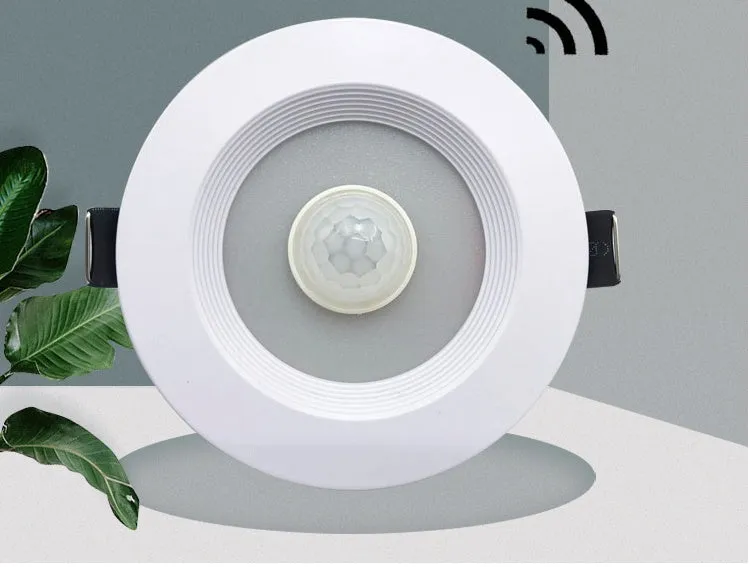
The value of this product lies in its automated operation and the ability to select specific performance characteristics. It addresses practical inconveniences in specific home areas while offering configuration before purchase rather than requiring post-installation adjustment. The benefits are tied directly to its stated features rather than assumed advantages.
As an LED-based light, it inherently offers the potential for reduced energy consumption compared to traditional lighting, especially when paired with motion activation that limits operation to occupied periods. The aluminium housing suggests durability consistent with standard light fixtures. Maintenance would involve typical LED fixture care—ensuring clean sensors for reliable detection and eventual LED replacement after extended use, though specific lifespan claims aren't provided in the source material.
This light suits homeowners seeking automated lighting in specific indoor areas without complex smart home systems. The four clear model options allow precise selection based on known wattage and timing preferences. Its dedicated design for kitchens, studies, and toilets means it addresses well-documented needs in those spaces. The infrared body sensing provides reliable triggering without requiring app connectivity or voice commands, offering simplicity alongside automation. When compared to basic manual switches, it adds convenience; when compared to more advanced smart lights, it offers straightforward operation without additional hubs or programming.
