Stay Inspired
Subscribe for exclusive tips and storage ideas to elevate your kitchen.


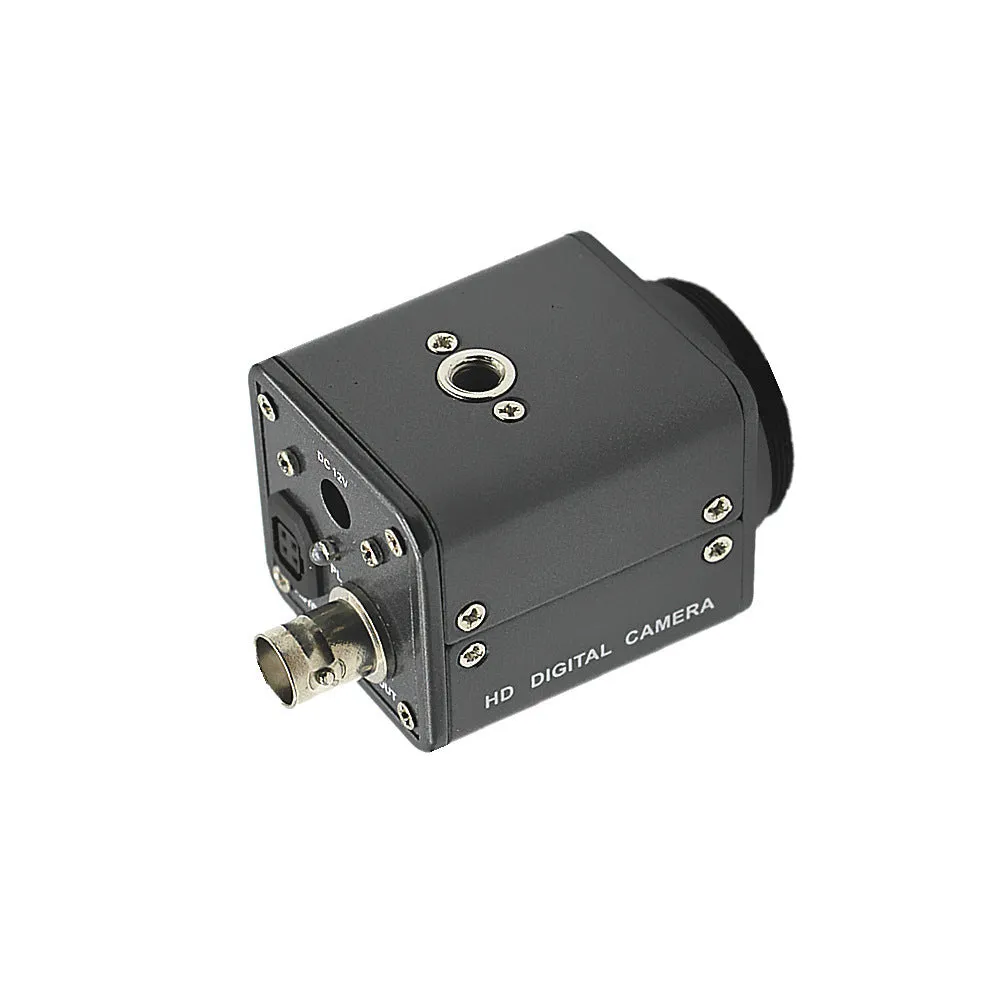
Designed for precision visual tasks in mechanical engineering, manufacturing, and quality assurance, the HC-109 Mini Mechanical Microscope Camera delivers a detailed view. Its core capability stems from a 500,000 DPI pixel specification, enabling the capture of fine details on components, assemblies, and surfaces. The gun camera style housing, crafted from metal, offers a practical form factor for mounting in confined spaces or on inspection rigs. This camera is engineered to function reliably across a wide spectrum of industrial conditions, providing a dependable tool for professionals who require clear, magnified imagery without the bulk of traditional microscopes.
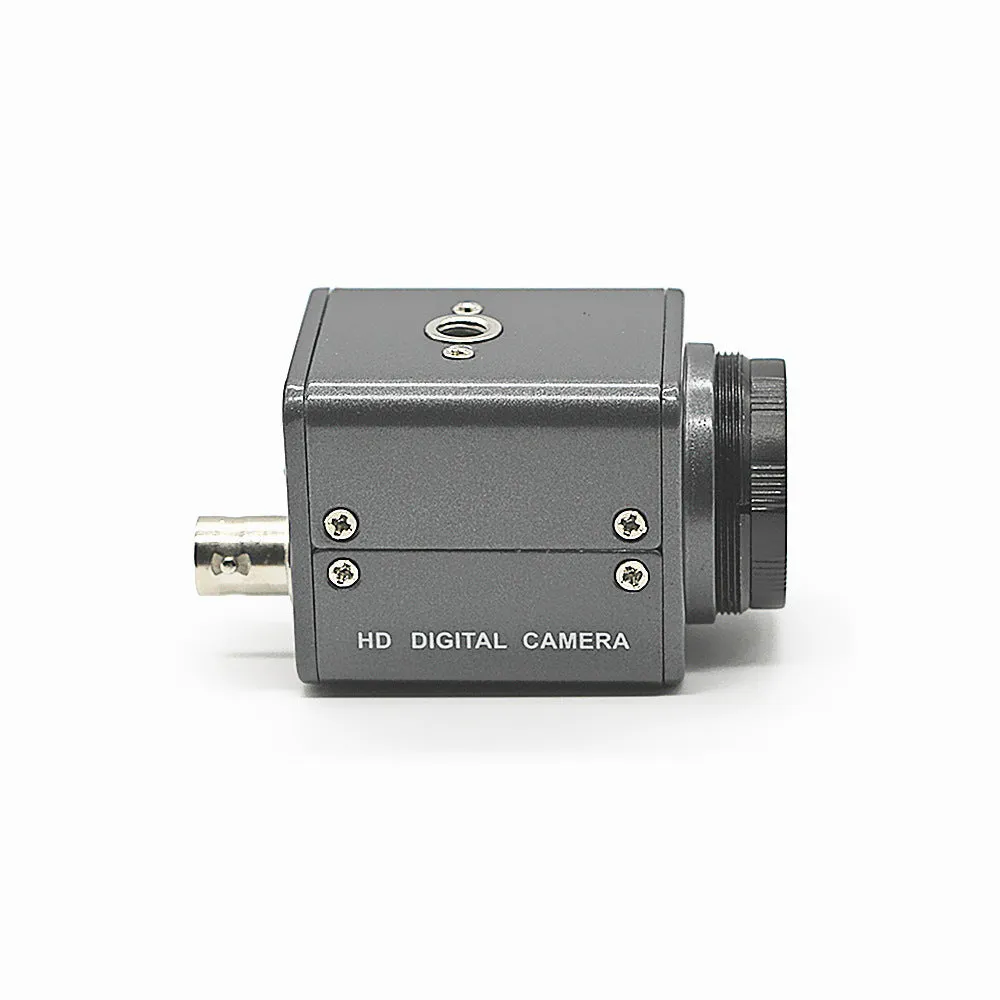
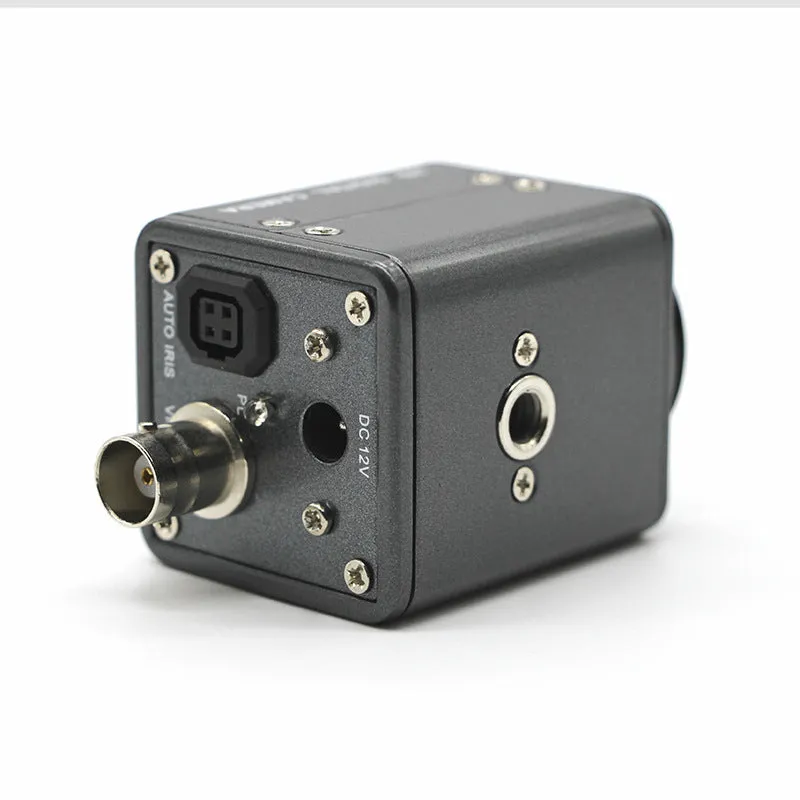
The HC-109 combines specific technical specifications with a robust physical design to meet the demands of workshop and production line environments. Its performance parameters are defined to ensure consistent image quality under variable lighting and temperature scenarios.
The camera's primary construction material is metal, contributing to its overall durability. This choice of material helps protect the internal electronics from vibration, minor impacts, and the general wear associated with industrial use. The gun-style form factor is not merely aesthetic; it facilitates straightforward mounting on brackets, arms, or stands, allowing the lens to be precisely aimed at the subject of inspection.
Central to the camera's imaging system is a 1/3-inch CMOS image sensor. This sensor size is a common standard in surveillance and industrial imaging, offering a balance between physical dimensions and light-gathering capability. The compact nature of the overall unit, implied by its 'mini' designation and gun-style shape, means it can be integrated into existing inspection stations or mobile diagnostic carts without requiring significant space.
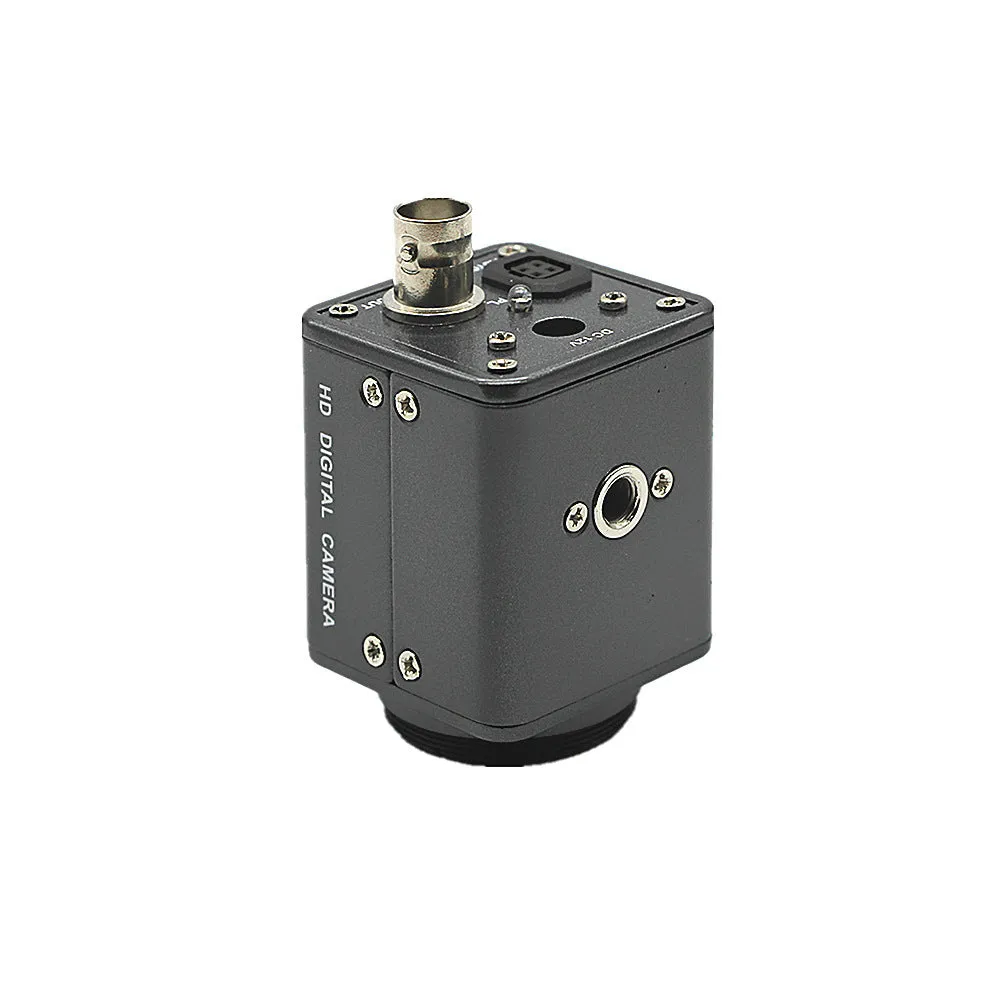
This camera serves as a versatile visual aid across multiple professional contexts where magnification and electronic image capture are beneficial. Its specifications make it suitable for both dedicated inspection points and more flexible diagnostic applications.
In professional settings, the HC-109 is apt for detailed component inspection, solder joint analysis on circuit boards, surface flaw detection, and assembly verification. The 1200 TVL horizontal resolution ensures that video output to a monitor is sufficiently clear for operators to make accurate assessments. The ability to operate in temperatures from -10°C to +50°C means it can be used in non-climate-controlled environments like warehouses, garages, or outdoor repair bays, provided it is shielded from direct environmental exposure.
While designed for industrial purposes, this camera could also serve advanced hobbyists, model makers, or electronics enthusiasts working on intricate projects at home. Its high pixel density allows for the examination of small-scale work, such as model painting, miniature construction, or detailed craftwork, where a magnified digital view can aid precision.
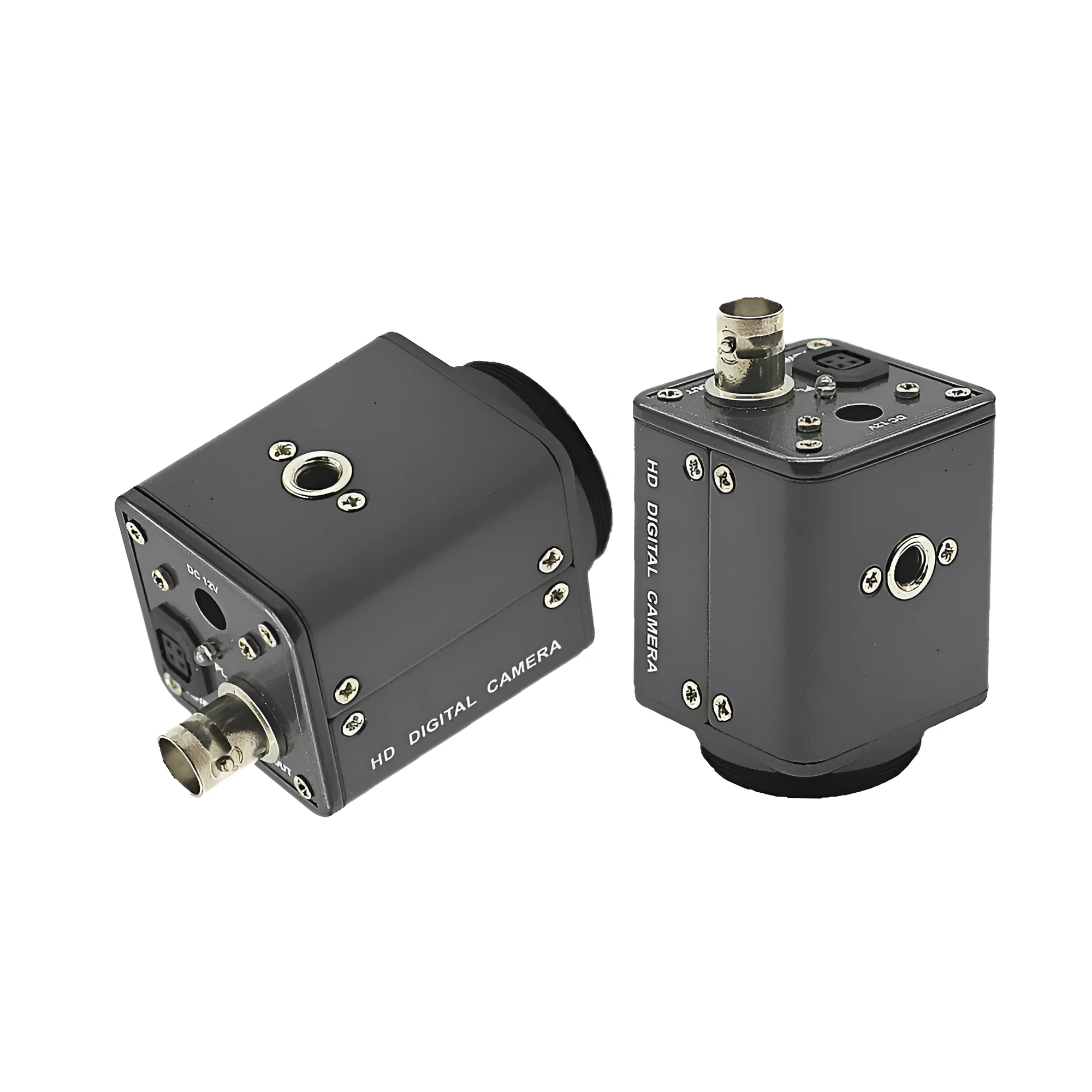
The value of the HC-109 lies in its combination of defined imaging performance, environmental tolerance, and durable construction, offering a focused tool for specific visual tasks.
The metal housing suggests a product built for repeated use over time, resisting damage that might occur from frequent handling or repositioning in a busy workshop. With no complex moving mechanical parts beyond the standard lens, maintenance requirements are minimal, primarily involving keeping the lens clean. The solid-state CMOS sensor and electronics are designed for longevity under the stated operating conditions.
This camera is a practical choice for users who require a reliable, standalone imaging module with known specifications. Its 0.1 Lux low-light performance extends usability into poorly lit areas without additional lighting. The signal-to-noise ratio greater than 58 dB helps maintain a clean video signal, reducing visual static or 'snow' in the image, which is crucial for accurate inspection. It provides a concrete solution for digitising the view from an optical microscope or creating a dedicated inspection station without investing in a fully integrated, and often more expensive, digital microscope system.