Stay Inspired
Subscribe for exclusive tips and storage ideas to elevate your kitchen.


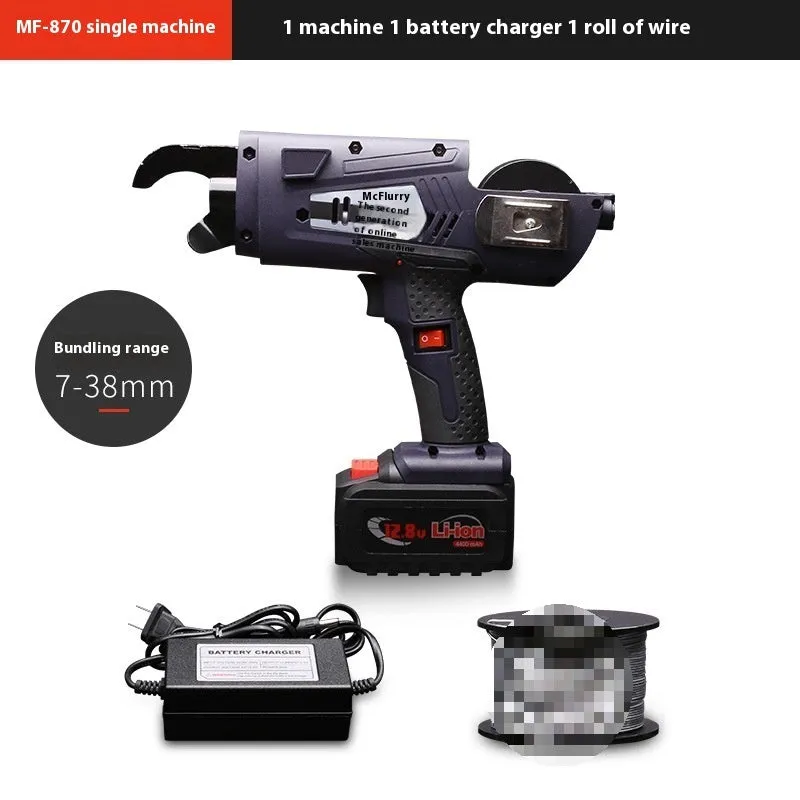
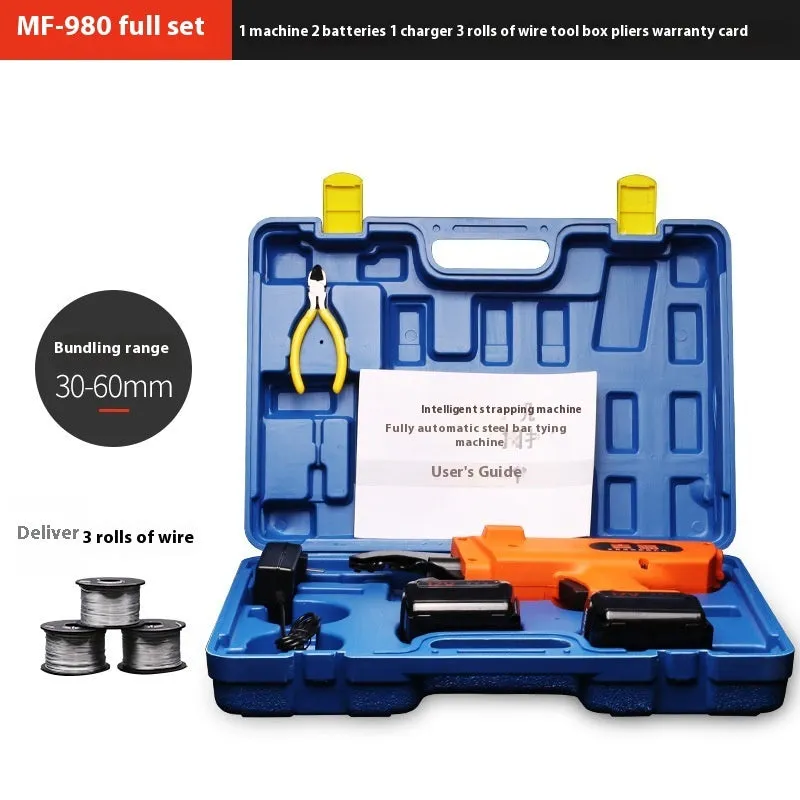
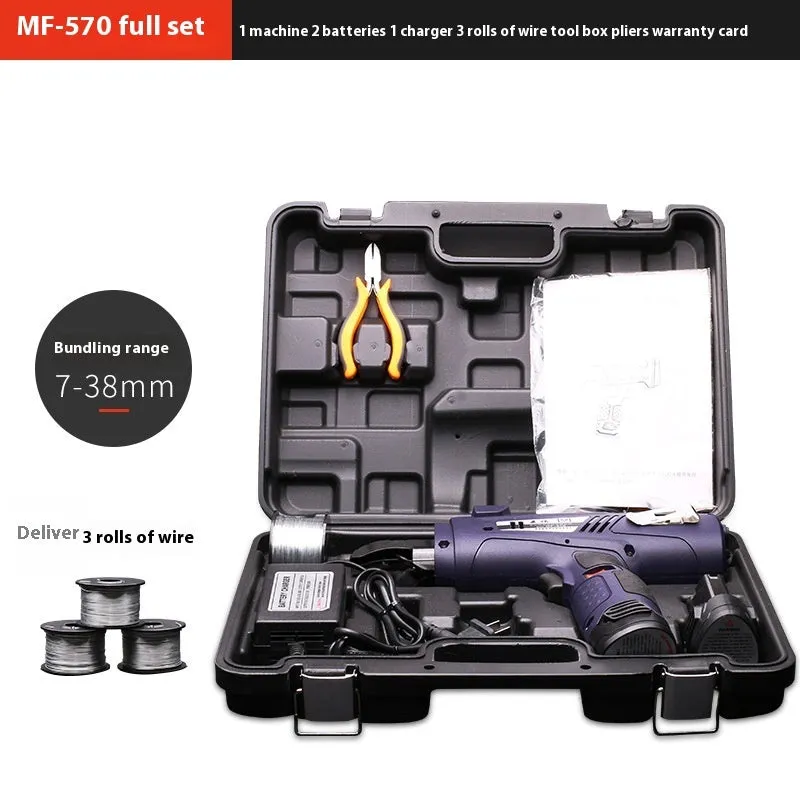
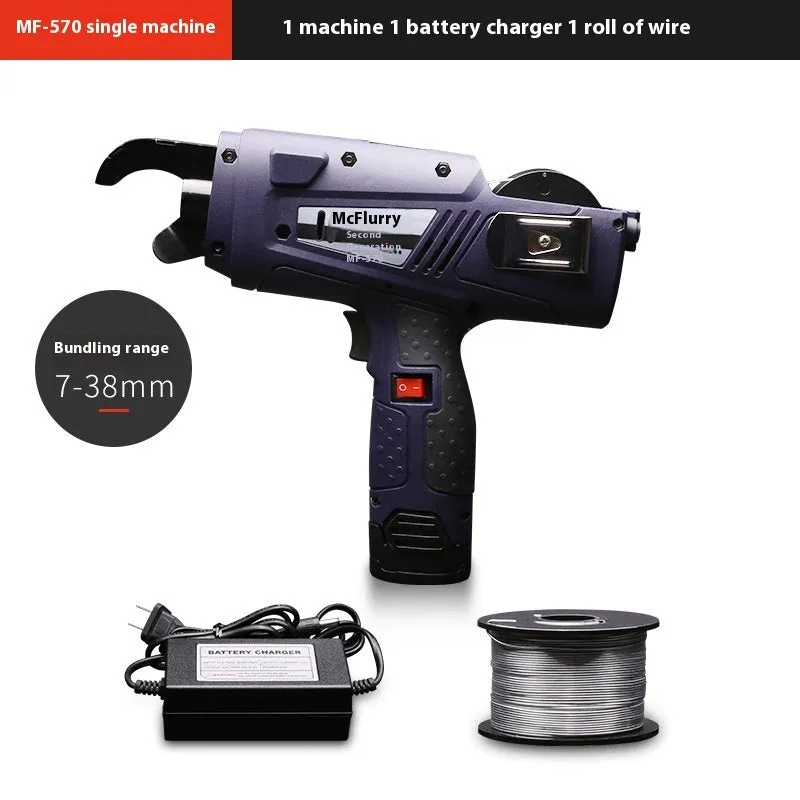
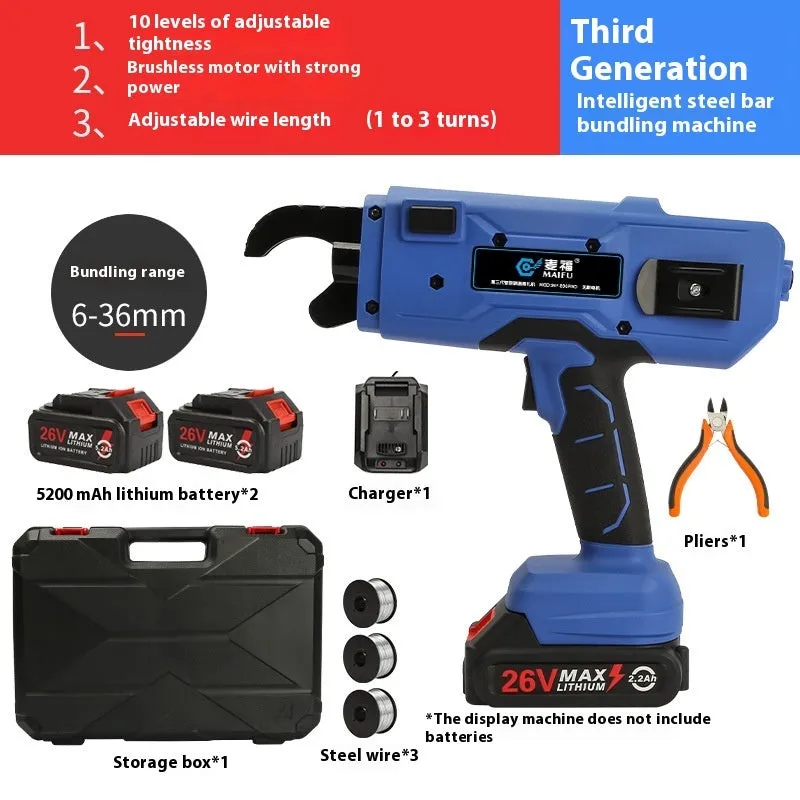
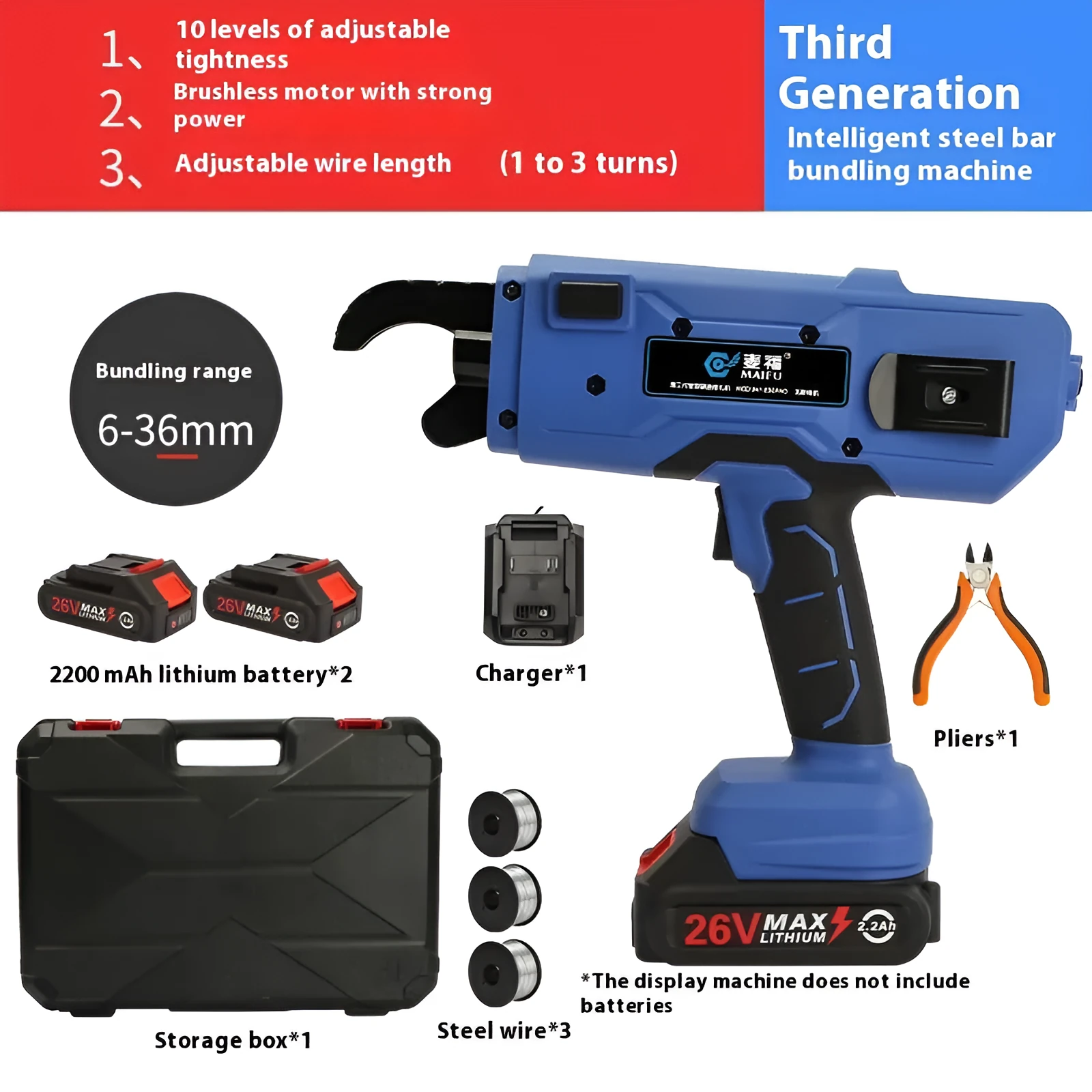
This electric steel bar tying machine represents a practical solution for construction professionals who regularly work with rebar reinforcement. By automating the binding process that would otherwise require manual twisting, it addresses the repetitive strain and time consumption associated with traditional methods. The 12.8V rated power system ensures consistent operation across various construction environments, from foundation work to structural framing. Available in multiple model configurations, this tool adapts to different project scales and user preferences while maintaining the core function of secure rebar connection.
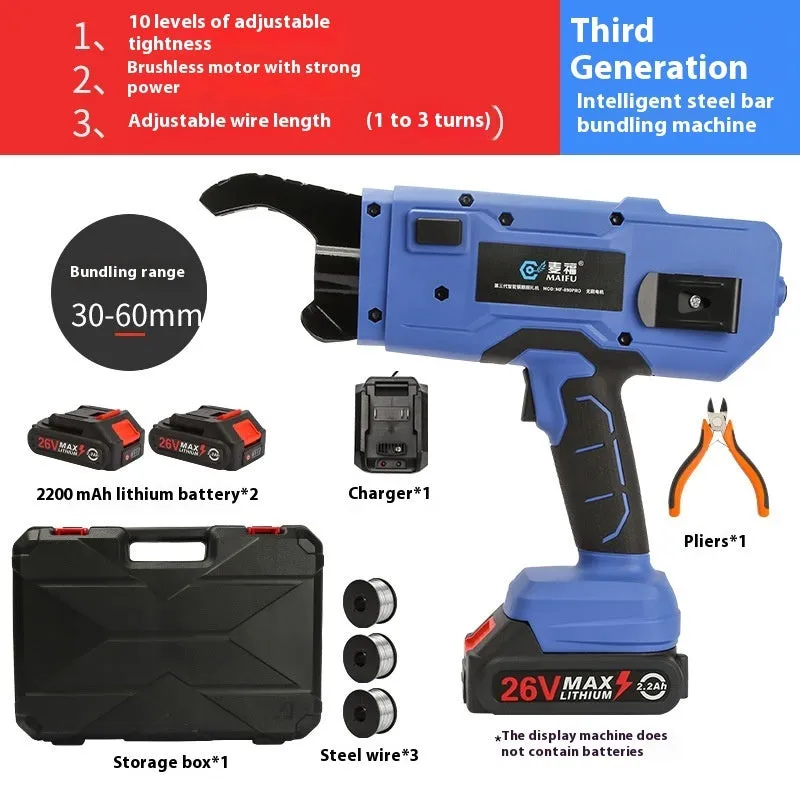
The machine's design focuses on reliability and ease of operation in construction settings. With fully automatic electric functionality, it reduces the physical demands on workers while maintaining binding consistency across multiple rebar intersections.
Constructed with steel components designed to withstand construction site conditions, the tying mechanism is built for repeated use with reinforcement bars. The 12.8V power system provides sufficient torque for secure binding without excessive bulk, making it manageable for on-site transport between work areas. The electrical components are housed to protect against typical construction dust and debris.
While specific dimensions are not provided, the machine is designed to be portable enough for construction workers to carry between rebar grids. The various battery options (small and large) offer flexibility between longer runtime and lighter weight, allowing users to select based on their specific job requirements and duration between charging opportunities.
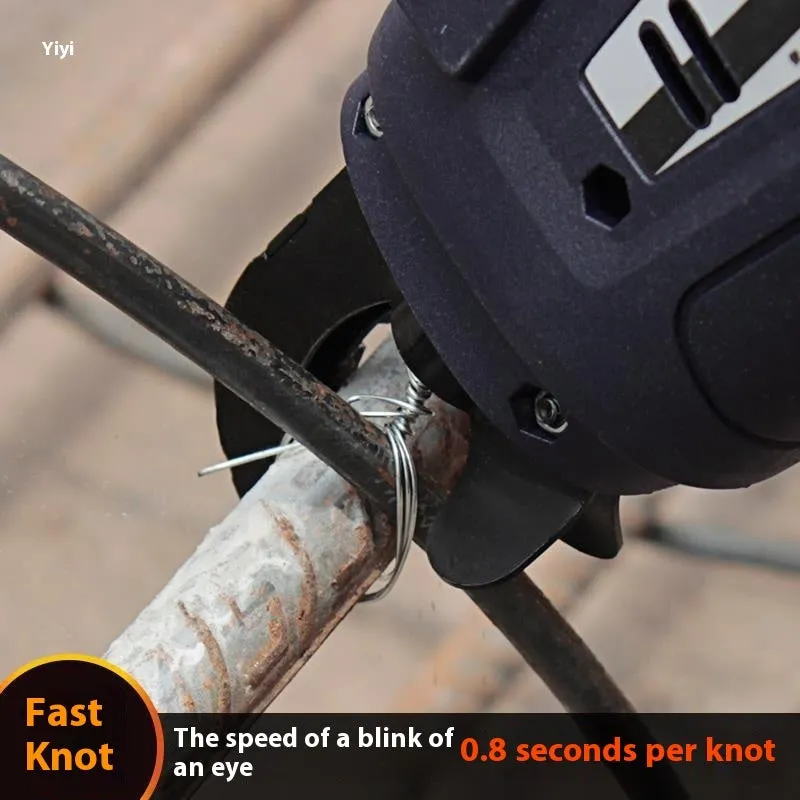
This tool finds its primary application in structural construction work where steel reinforcement bars require secure connections before concrete pouring. It serves both commercial building projects and larger residential construction where rebar grids are extensive.
On commercial construction sites, the machine significantly reduces the time spent on rebar tying compared to manual methods. For contractors working on foundations, retaining walls, or structural columns, the consistent binding tension helps maintain reinforcement integrity throughout the concrete placement process. The electric operation minimizes worker fatigue during repetitive binding tasks.
While primarily a professional tool, the machine could serve serious DIY enthusiasts undertaking substantial concrete projects like foundations for outbuildings, large retaining walls, or basement construction. For these applications, the time savings and reduced physical effort provide practical value even for occasional users tackling significant reinforcement work.
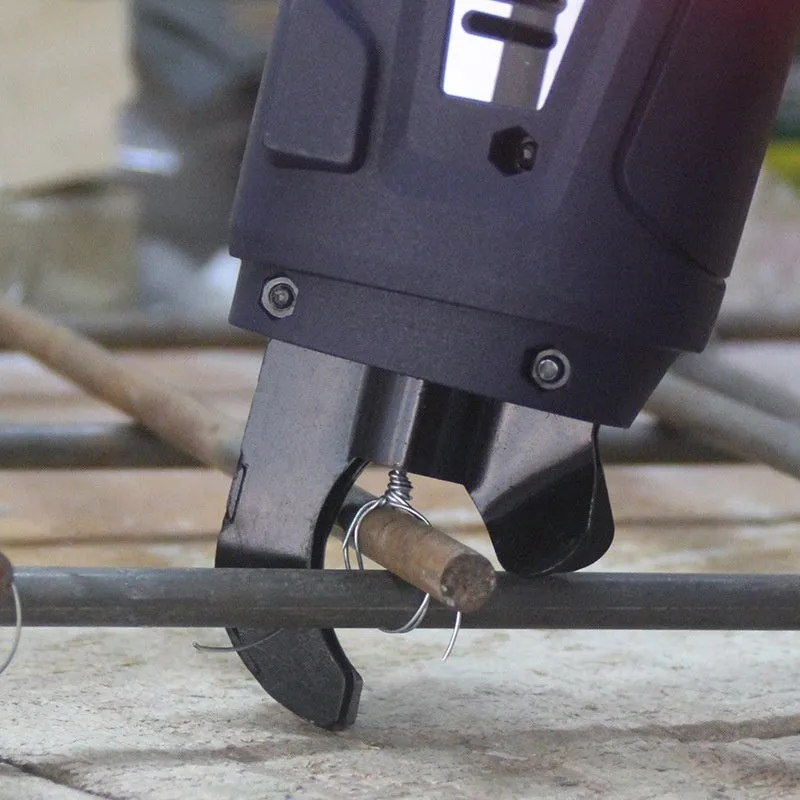
The machine's value proposition centers on workflow efficiency and reduced physical strain in construction environments. By automating a repetitive task, it allows workers to focus on other aspects of reinforcement installation while maintaining binding consistency.
The rechargeable battery system enables repeated use throughout the workday with proper charging between shifts. With no consumables beyond the wire ties themselves, ongoing costs remain predictable. The steel construction suggests durability appropriate for construction site conditions, though specific lifespan claims cannot be made without manufacturer testing data.
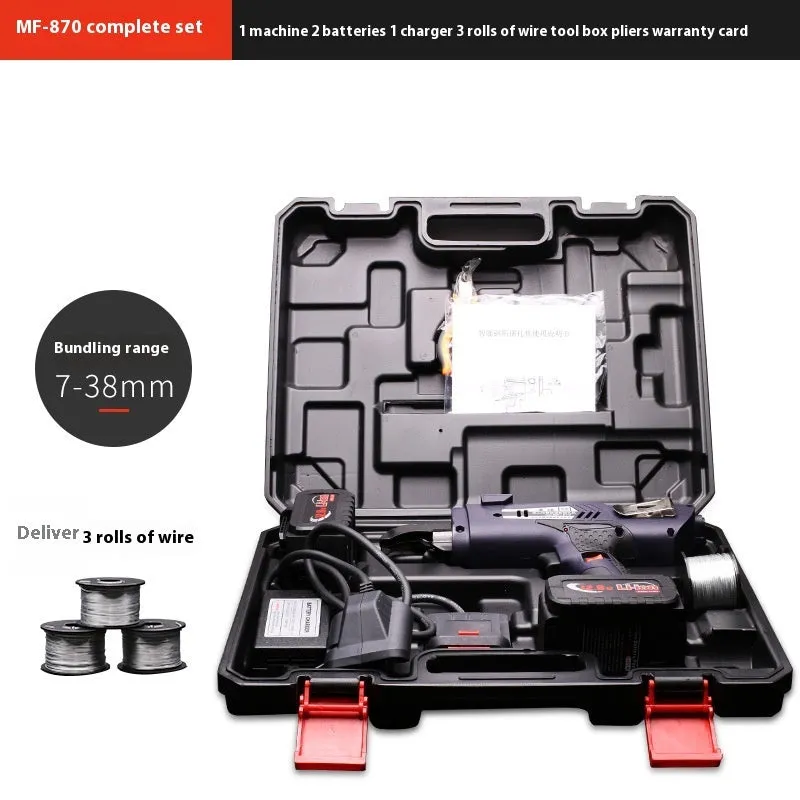
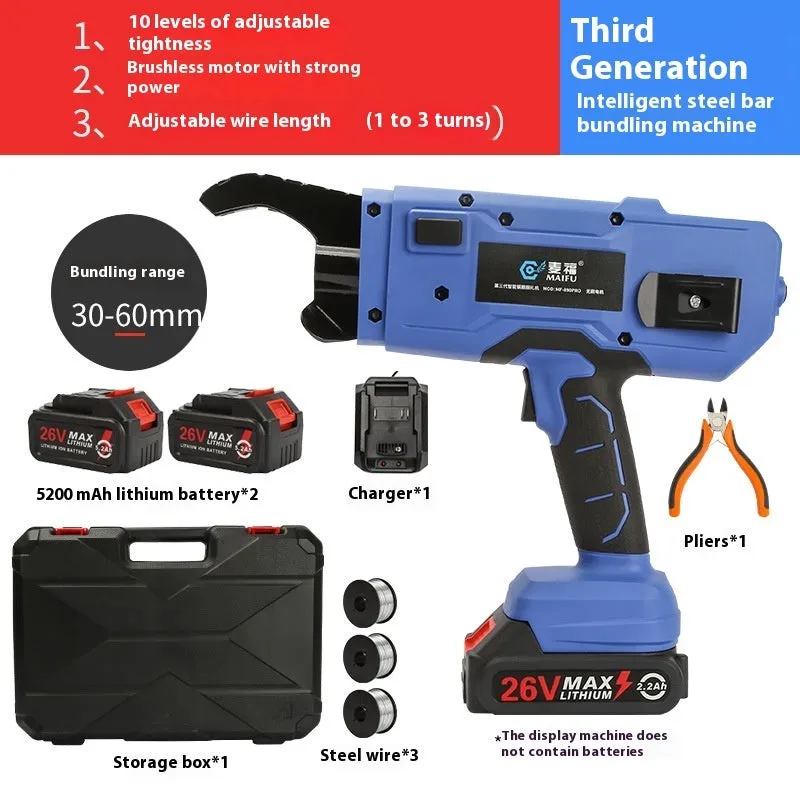
Construction professionals selecting this tying machine benefit from the elimination of manual twisting motions that can lead to repetitive strain injuries. The multiple configuration options allow tailoring to specific project needs—basic kits for occasional use, full sets with toolboxes for dedicated crews, or adjustable wire length models for varied rebar diameters. This flexibility, combined with the core automatic binding function, makes it a practical addition to reinforcement toolkits.