Stay Inspired
Subscribe for exclusive tips and storage ideas to elevate your kitchen.


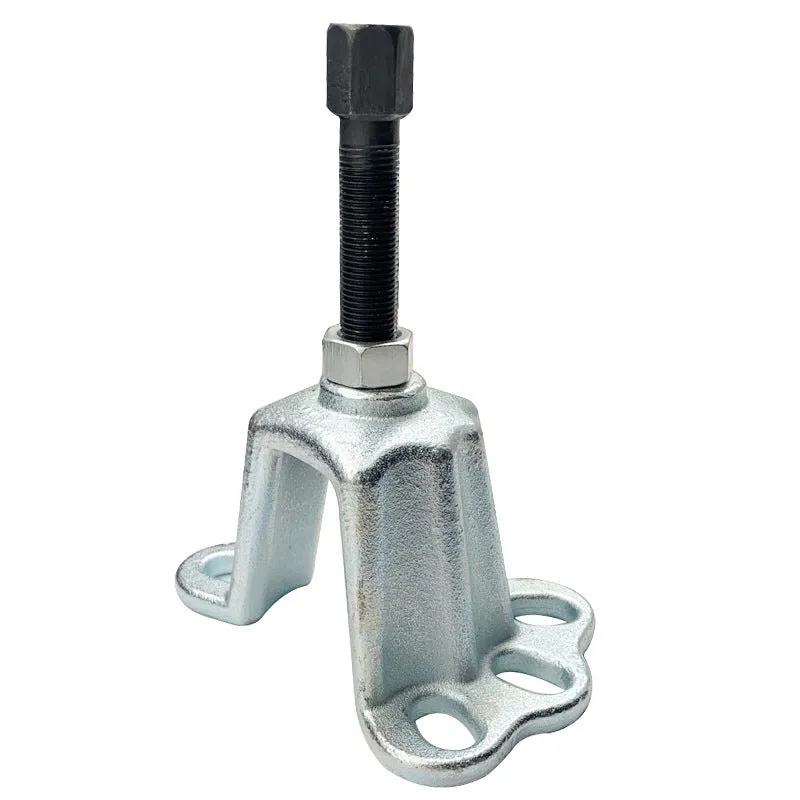
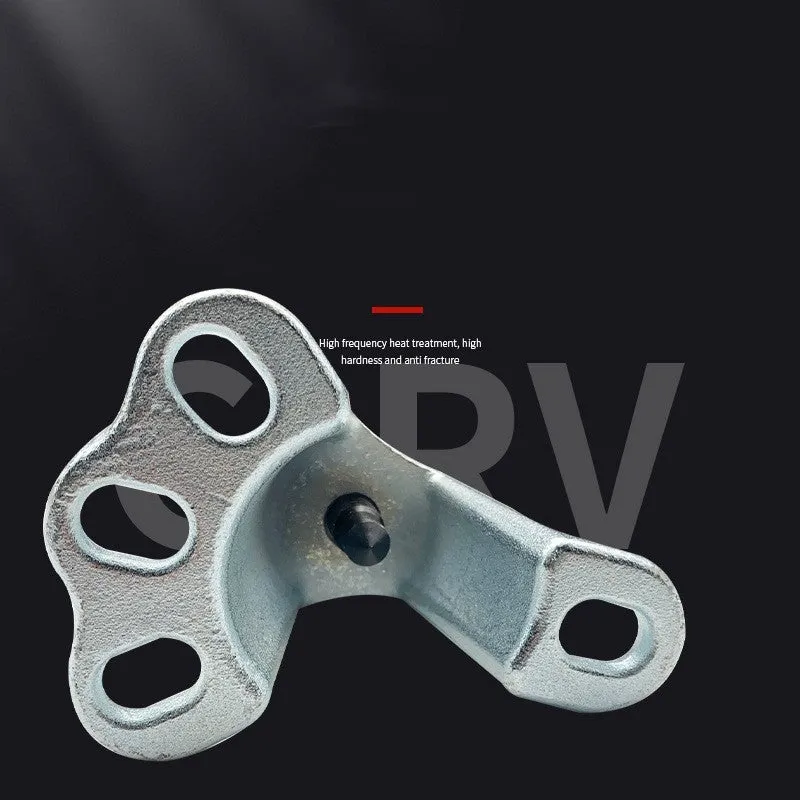
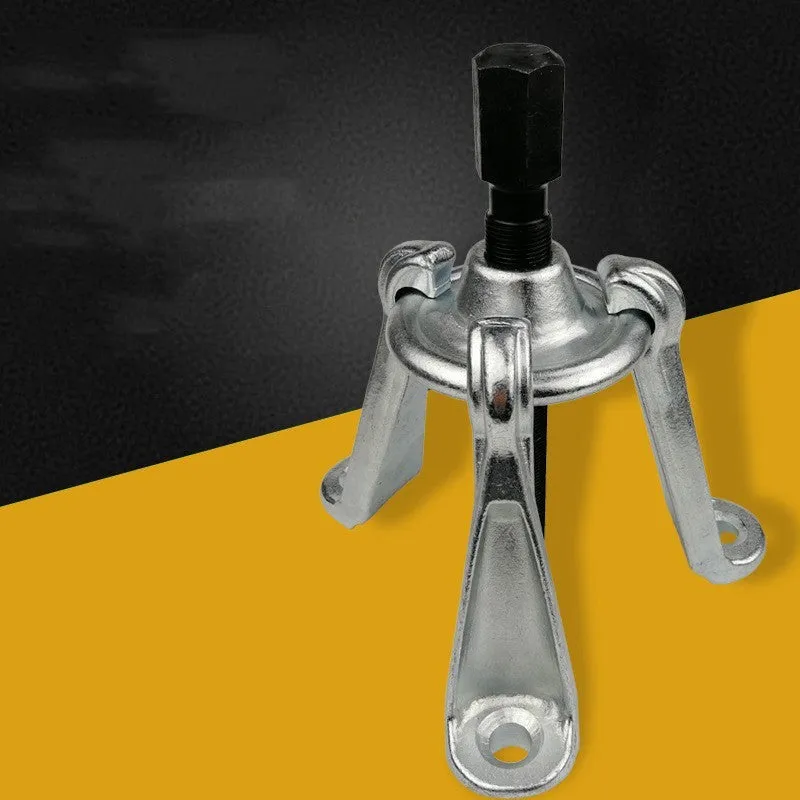
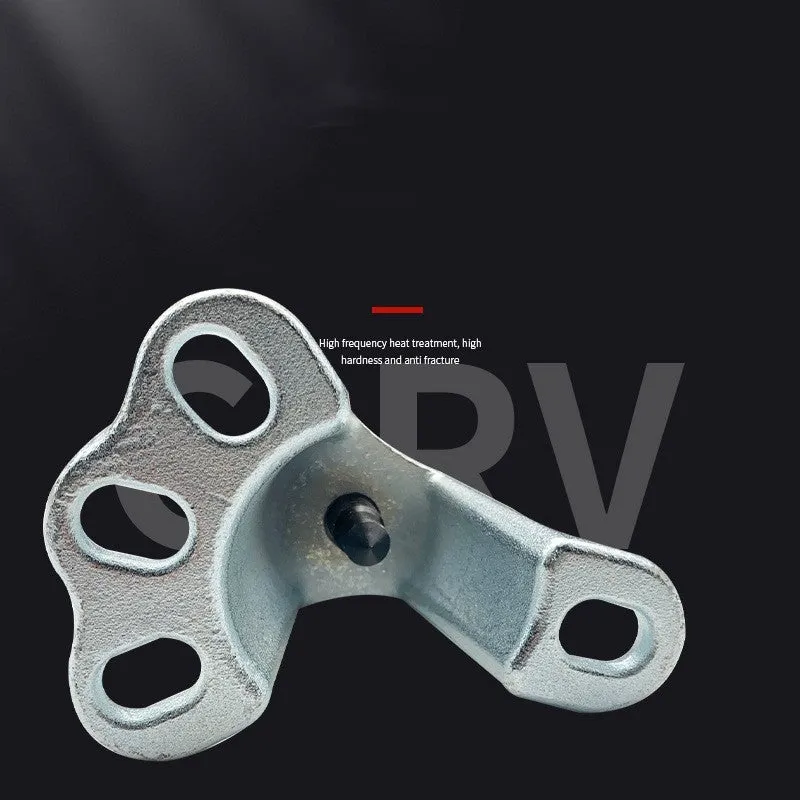
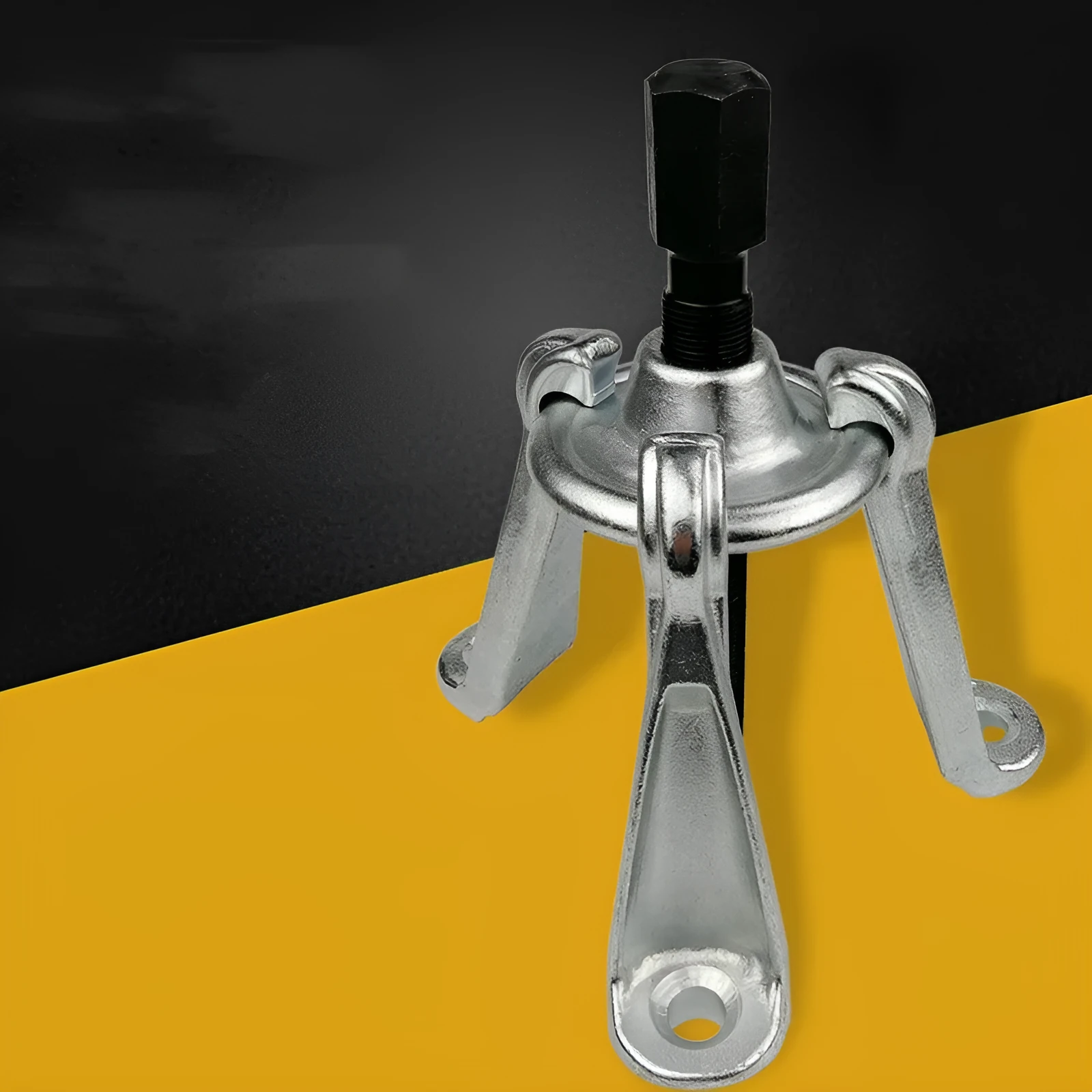
Removing a seized brake drum or wheel hub can be a frustrating and potentially damaging task without the proper equipment. This dedicated hub puller tool provides a targeted mechanical solution designed for specific vehicle types, including the growing segment of electric battery cars and tricycles. Available in three distinct styles, it allows users to select the correct tool for their job, whether it's a standard mechanical puller for a conventional car or a specialised version for electric vehicle components. The construction from chrome vanadium steel aligns with common practices for durable hand tools, focusing on the practical need for a fitted removal aid rather than improvised methods.
The tool's primary feature is its availability in three configured styles, each intended for a different removal scenario. This categorisation helps ensure the correct tool is used for the vehicle at hand, which is crucial for both effectiveness and preventing damage to the hub or drum.
The tool is made from chrome vanadium steel, a material frequently specified for hand tools like sockets and wrenches where strength and resistance to deformation under load are important. This choice indicates a build intended for the mechanical stresses involved in prying and pulling components like wheel hubs and brake drums, rather than being a general-purpose item.
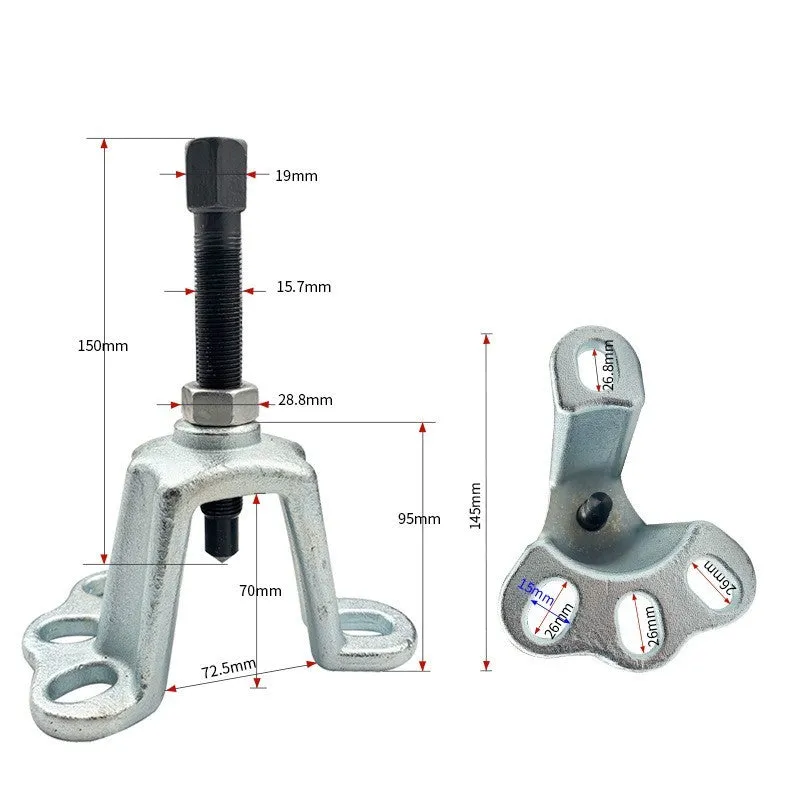
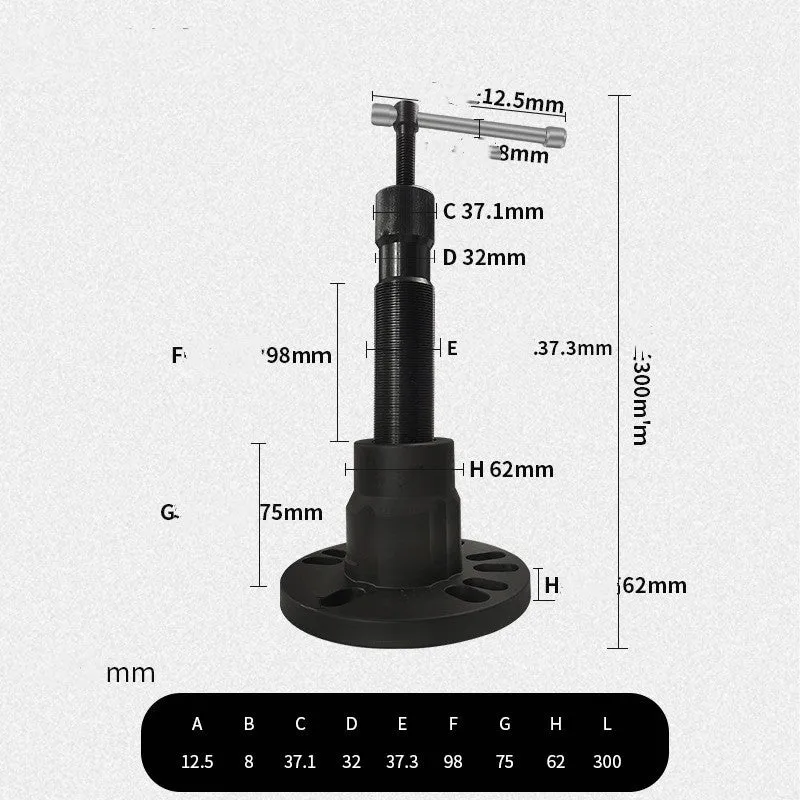
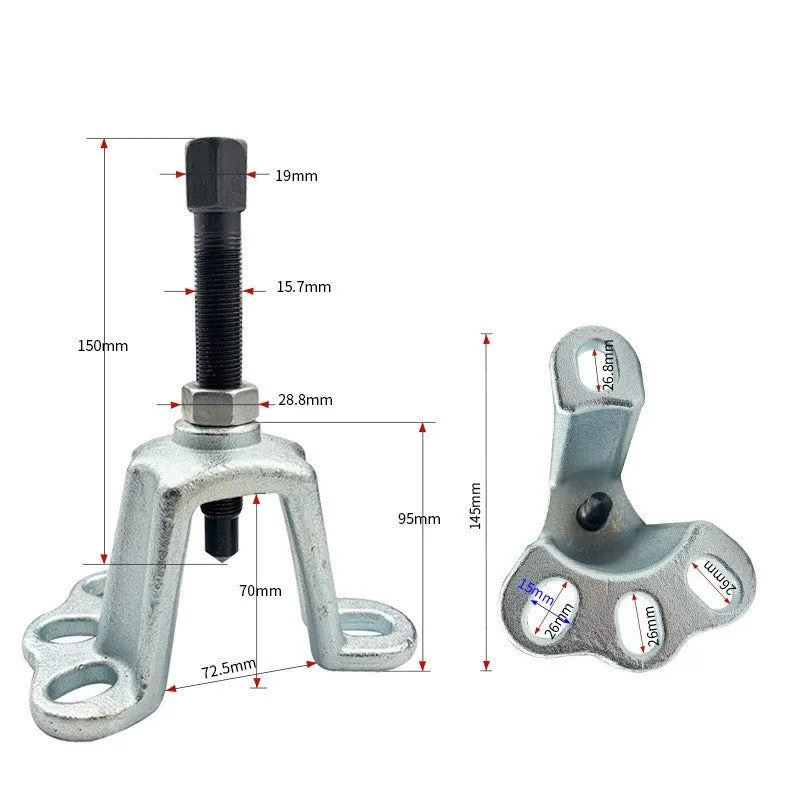
While exact dimensions are not provided, the tool's design is defined by its vehicle application. Style A is sized and shaped for compatibility with the wheel hubs of battery-powered cars and tricycles. Style B is configured for standard passenger cars, and Style C incorporates a hydraulic mechanism for car applications, suggesting a different form factor and operation to handle potentially more resistant hubs.
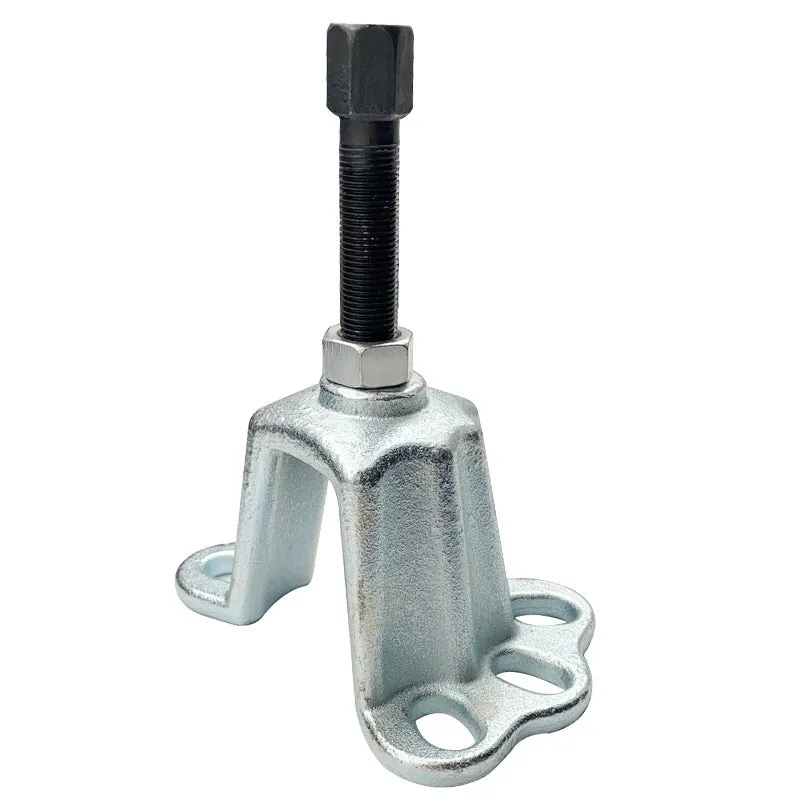
This tool has a clear, singular purpose: the disassembly of wheel hubs and brake drums. Its value lies in being a purpose-made solution for a specific mechanical task in vehicle repair and maintenance.
For professional mechanics or roadside assistance operators, having the correct style of hub puller can save significant time and labour. The availability of a style for electric vehicles (Style A) is particularly relevant for workshops servicing electric tricycles or compact battery cars, where standard pullers may not fit correctly. The hydraulic option (Style C) offers an alternative method for stubborn car hubs where greater force is required.
For the capable home mechanic undertaking brake work or bearing replacement on their own car, tricycle, or small electric vehicle, this tool provides a dedicated option. Using the correctly styled puller (A for an electric trike, B for a family car) is safer and more effective than using makeshift levers or hammers, which can damage the hub, shear bolts, or injure the user.
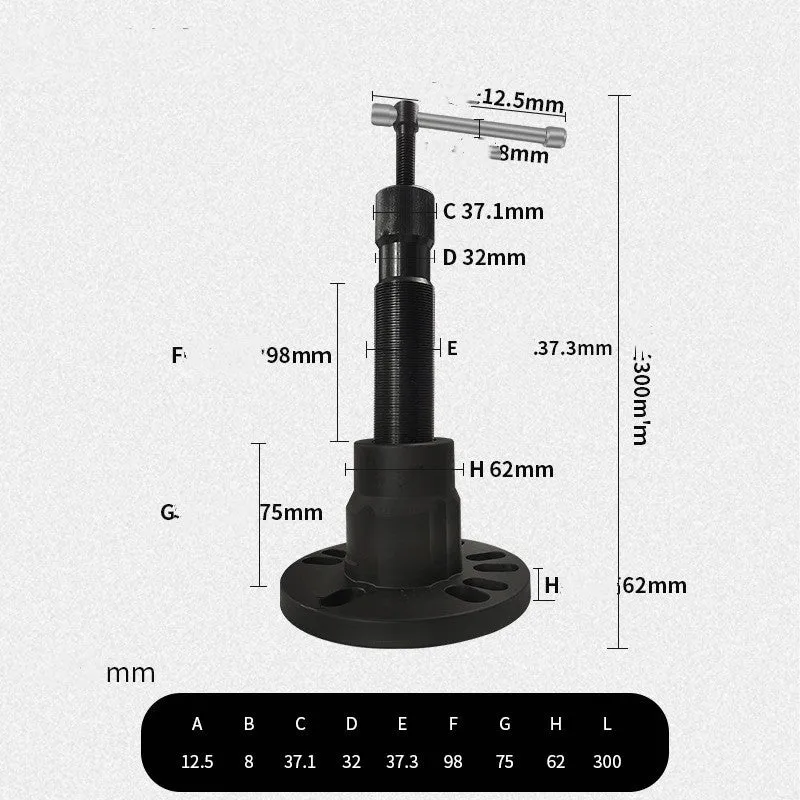
The value of this product stems from its specificity and material choice, offering a focused solution for a common vehicular repair hurdle.
As a steel hand tool, it is designed for repeated use across multiple repair jobs. There are no complex electronics or consumable parts mentioned, suggesting maintenance involves standard tool care—keeping it clean and stored appropriately. Its value accrues over time as it is used for future brake or bearing service intervals.
Choosing this product comes down to needing a proper tool for a specific job. It eliminates the guesswork and risk associated with using incorrect or improvised methods to remove hubs. The option to select Style A specifically for battery cars and tricycles addresses a niche that general automotive pullers might not, making it a considered purchase for owners or mechanics dealing with those vehicle types. The chrome vanadium steel construction provides a known basis for tool strength appropriate for the task.