Stay Inspired
Subscribe for exclusive tips and storage ideas to elevate your kitchen.


For small businesses, event planners, or dedicated crafters, achieving a polished look on custom stationery can be a challenge. This manual card folding machine offers a practical tool for creating uniform, sharp creases on card stock used for invitations, greetings cards, and other paper crafts. Its straightforward manual operation puts control in your hands, allowing for adjustments and ensuring a consistent result with each use. The integrated decorative star cutting tool adds a distinctive, customisable finish to the edges of your creations, moving beyond a simple fold to offer a more complete finishing solution for your card-making projects.
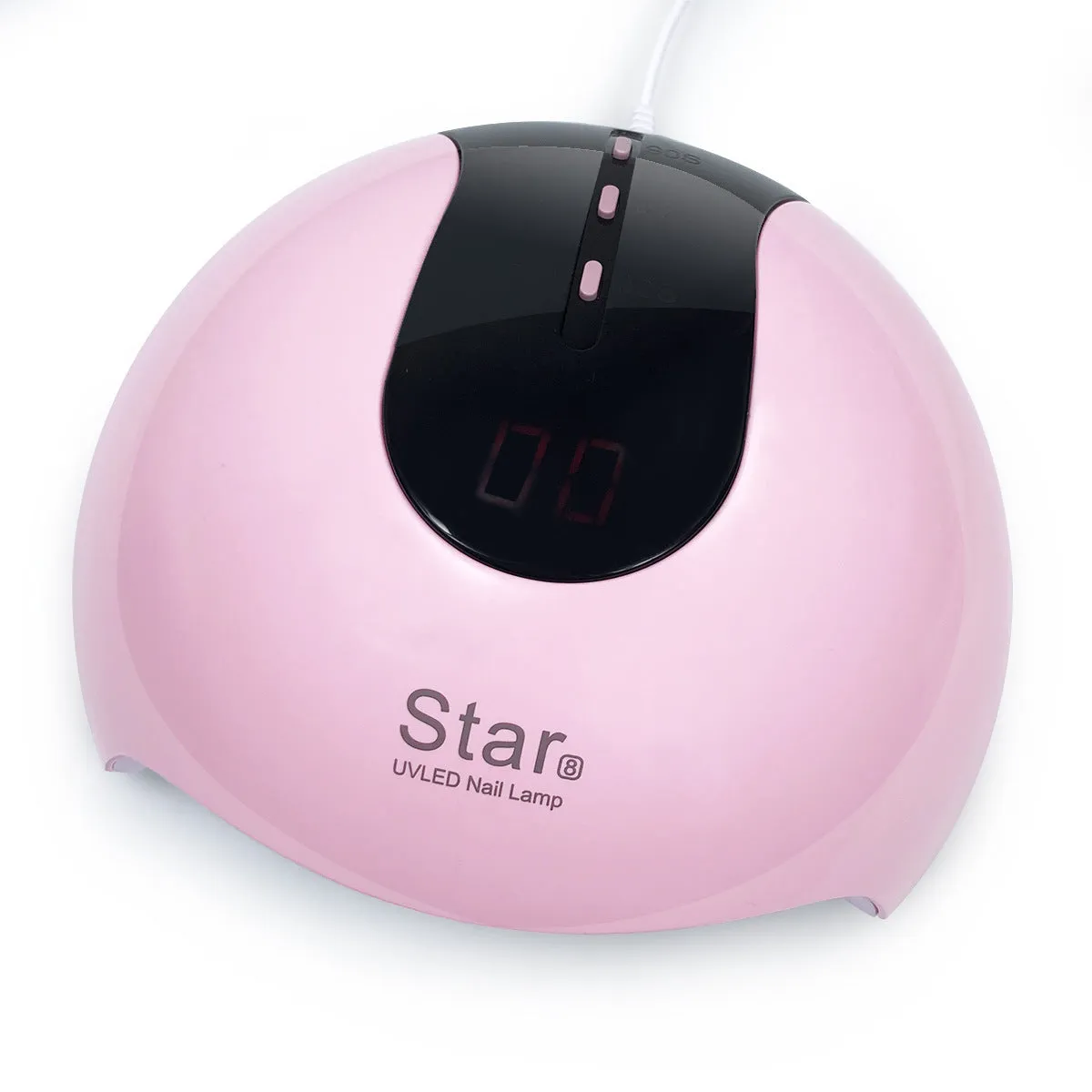
The design of this machine centres on providing a reliable, user-controlled tool for precise paper manipulation. Its build is focused on the mechanics needed for clean folding and cutting, without relying on complex electronics or motors.
The machine is constructed from a combination of metal and durable plastic components. This material choice provides the necessary rigidity and strength to handle the pressure required for folding and cutting standard card stock. The manual lever or handle mechanism is engineered to distribute force evenly across the card, which is key to preventing uneven creases or jagged cuts. The construction prioritises functional reliability for repeated use in a crafting or small-scale professional environment.
While exact dimensions are not specified, the design is inherently compact, intended to fit on a standard crafting table, desk, or workshop bench. Its manual operation means it does not require a dedicated power outlet, making it flexible for placement. The tool is designed to accommodate common card and paper sizes used for invitations and greetings, with guides to help position the material correctly for both folding and the decorative star-edge cutting function.

This tool bridges the gap between basic hand-folding and industrial-level equipment, suiting specific scenarios where quality and consistency are important but volume is manageable.
For small businesses producing wedding invitations, party announcements, or corporate event stationery, this machine can help standardise the production process. It ensures each card in a batch has an identical, crisp fold and a matching decorative edge, which contributes to a cohesive and professional final product. It is a practical asset for stationers, small print shops, or event planning services looking to offer custom, hand-finished card options without a large equipment investment.
For the hobbyist or home crafter, this machine simplifies the process of making birthday cards, holiday greetings, or special occasion invitations. It removes the guesswork and inconsistency of folding by hand, especially with thicker card stock that can crack or crease poorly. The star cutting tool adds a creative, personalised touch that can elevate a simple homemade card. It is suitable for craft rooms or home offices where space for larger tools is limited.
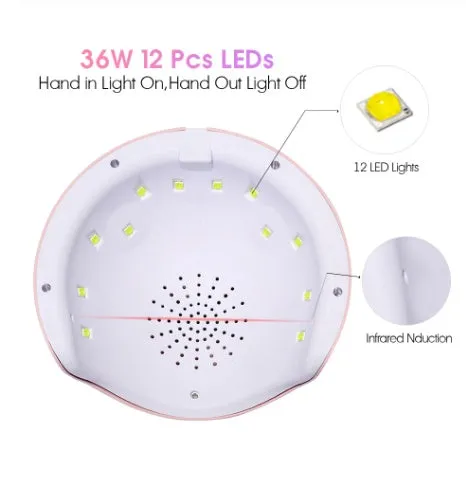
The value of this product lies in its specific functionality, offering a targeted solution that can improve results and potentially save time for users with clear, related needs.
As a manual tool with no electronic parts or consumables beyond potential blade sharpening, it is built for long-term reuse with minimal maintenance. Keeping the cutting blade clean and ensuring the folding mechanism is free of paper dust are the primary care requirements. Its durable construction means it can be used repeatedly for various projects over time, making it a one-time purchase for a specific, recurring task.
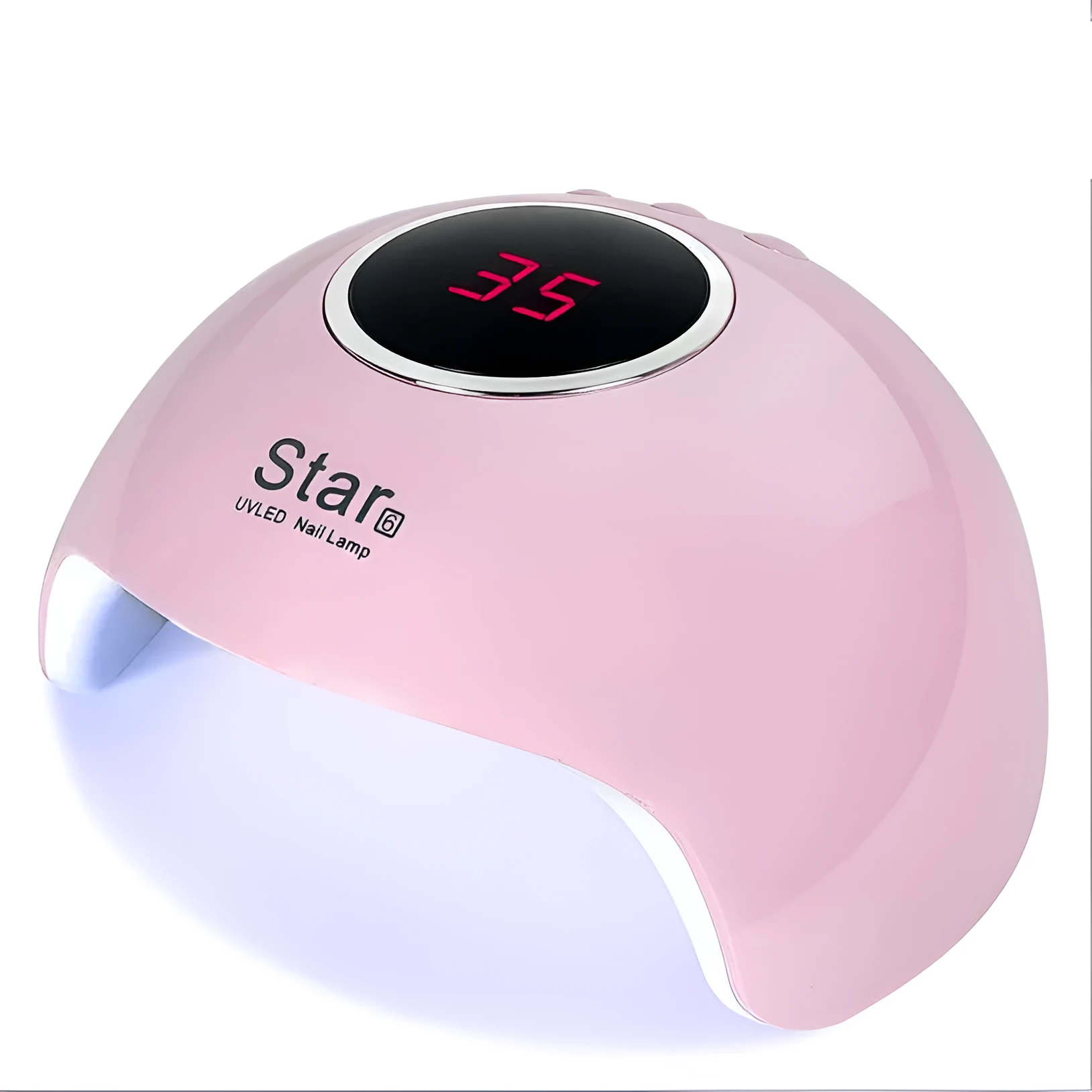
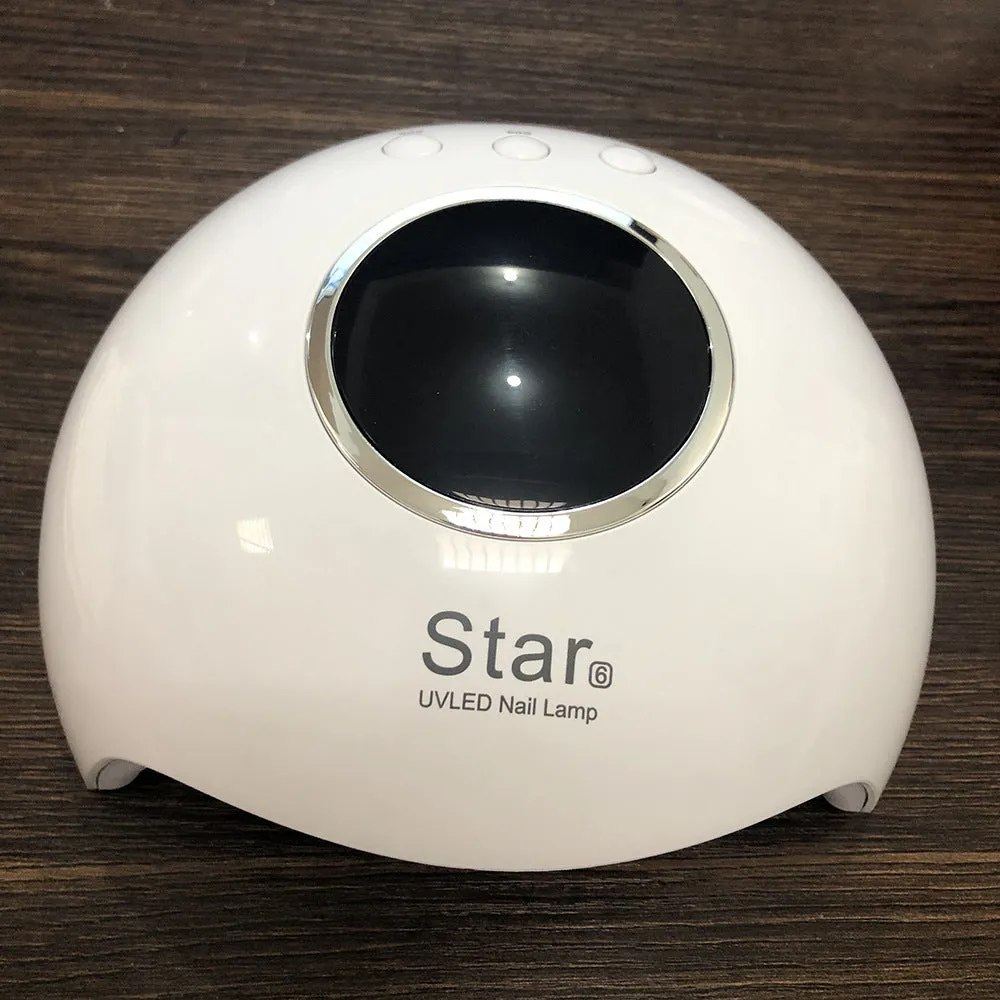
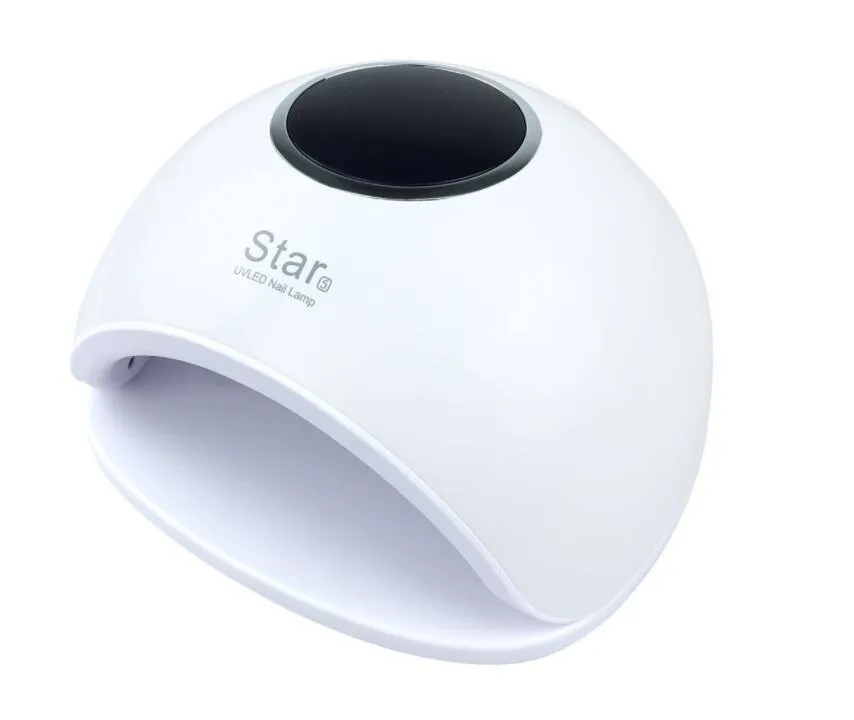
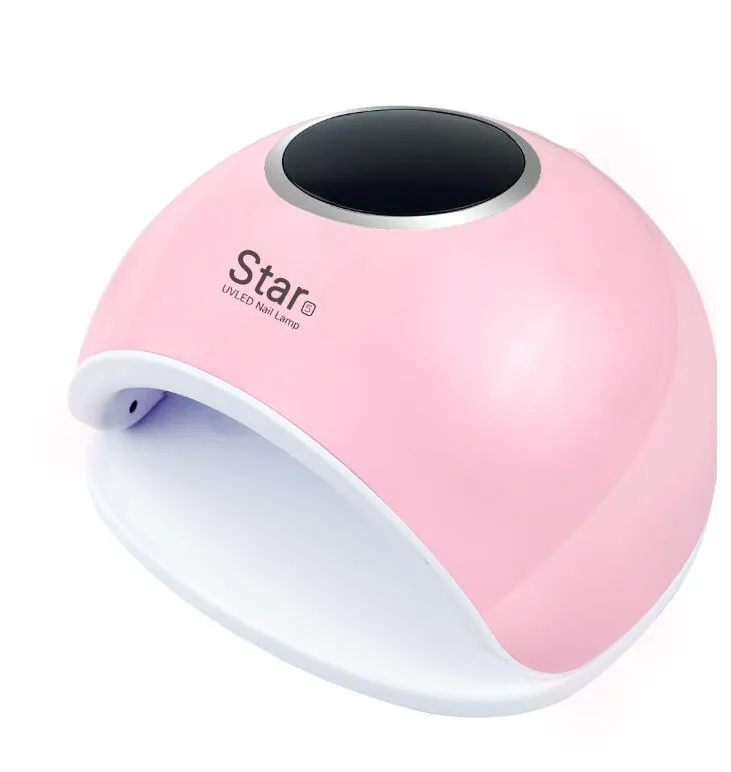
Choosing this card folding machine is a decision based on needing reliable, consistent folds and a specific decorative edge finish. It is for those who find hand-folding unsatisfactory for their projects and seek a dedicated tool to improve their workflow. The option to select from different colour and pattern versions (Star5 gold, Star5 pink, etc.) allows for personalisation of the tool itself to match a workspace aesthetic. It represents a focused investment in improving the quality and efficiency of a particular paper crafting task.