Stay Inspired
Subscribe for exclusive tips and storage ideas to elevate your kitchen.


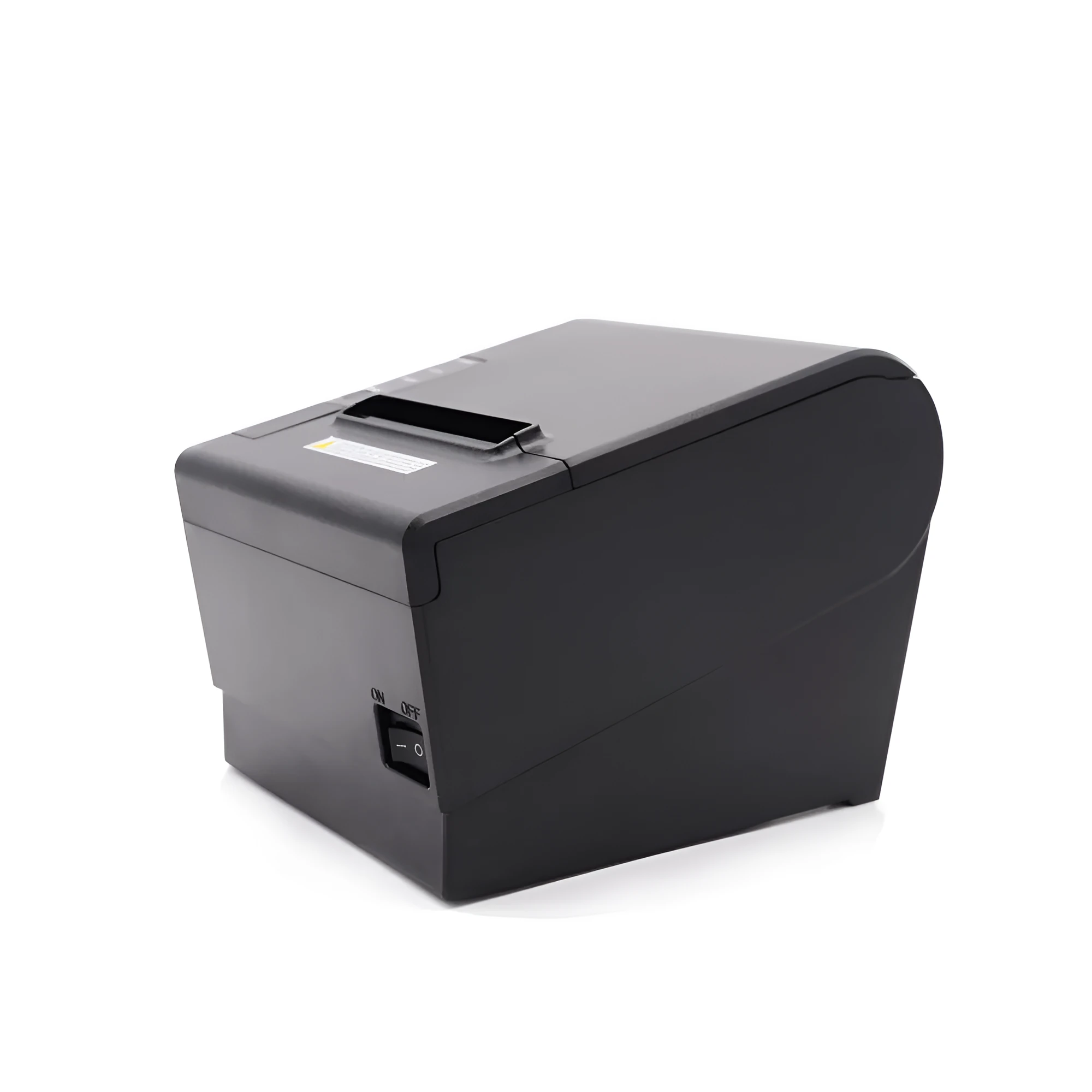
This 80mm thermal receipt printer addresses the need for reliable transaction documentation in environments where counter space is limited. Its primary function is to produce clear, legible receipts quickly and quietly, supporting the operational flow of food service outlets, small shops, and market stalls. The design philosophy prioritises a small physical footprint and straightforward connectivity, making it a practical hardware choice for integrating into existing or new point of sale systems without demanding significant installation area.
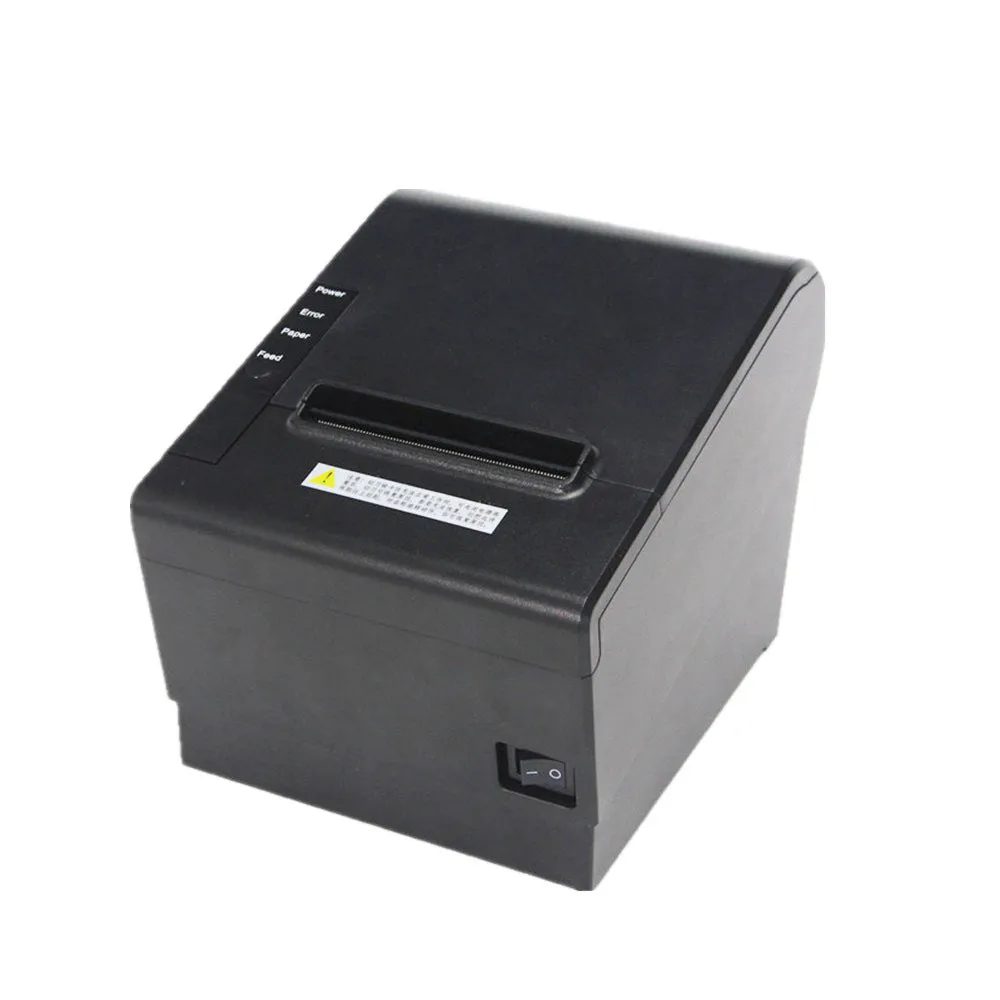
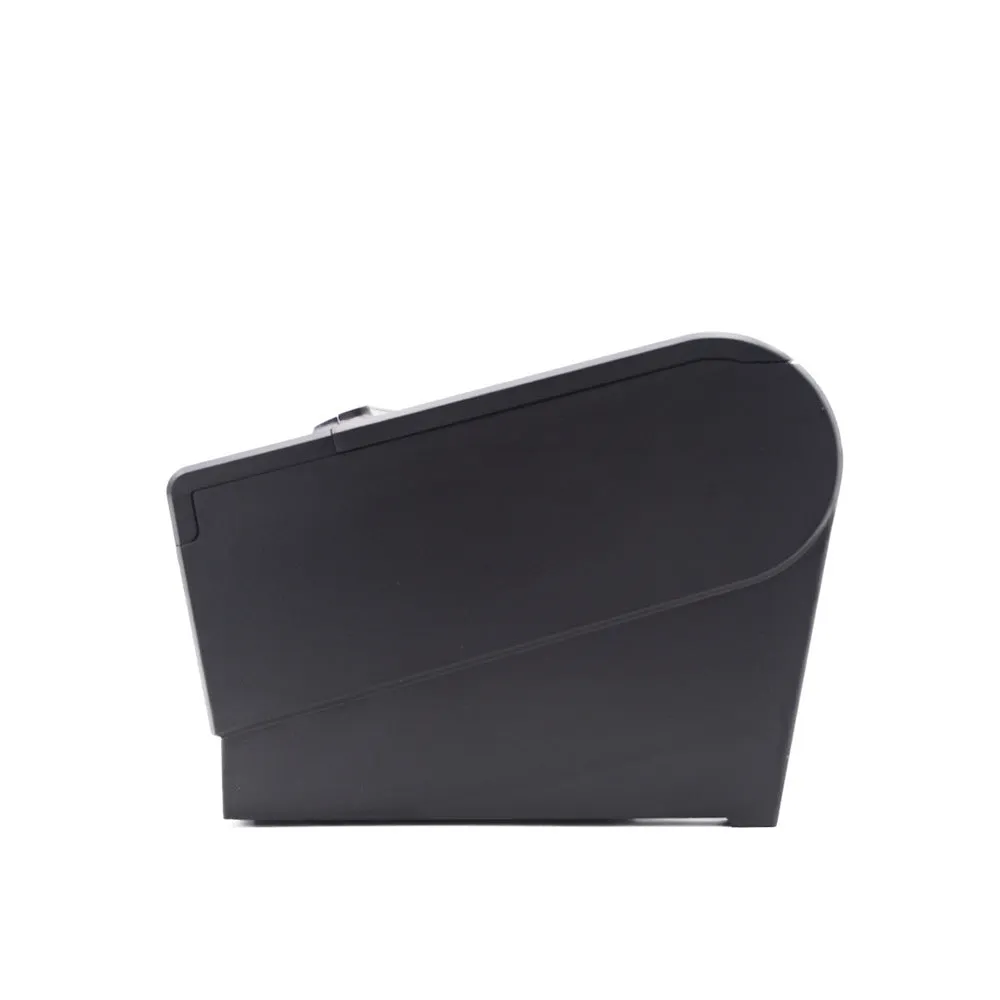
The printer is built around a minimalist aesthetic that reduces visual clutter on a busy countertop. Its construction is geared towards durability in commercial use, though specific material grades are not detailed. The focus is on delivering core printing functionality within a specifically compact chassis, as defined by its provided measurements.
While exact materials are not listed, the printer's build is intended for the demands of daily commercial operation. The minimal external design suggests a focus on easy cleaning and maintenance, with surfaces likely designed to withstand occasional contact with cleaning cloths. The internal thermal print mechanism is engineered for 80mm paper, a standard width for receipts, ensuring compatibility with readily available consumables.
With dimensions of 215mm in width, 205mm in depth, and 160mm in height, this printer offers a notably compact form. This size allows it to be placed under a counter lip, on a narrow shelf, or beside a cash register without obstructing other essential equipment or customer interaction space. The small footprint is a key differentiator for kitchens, food truck service windows, or compact retail checkouts.
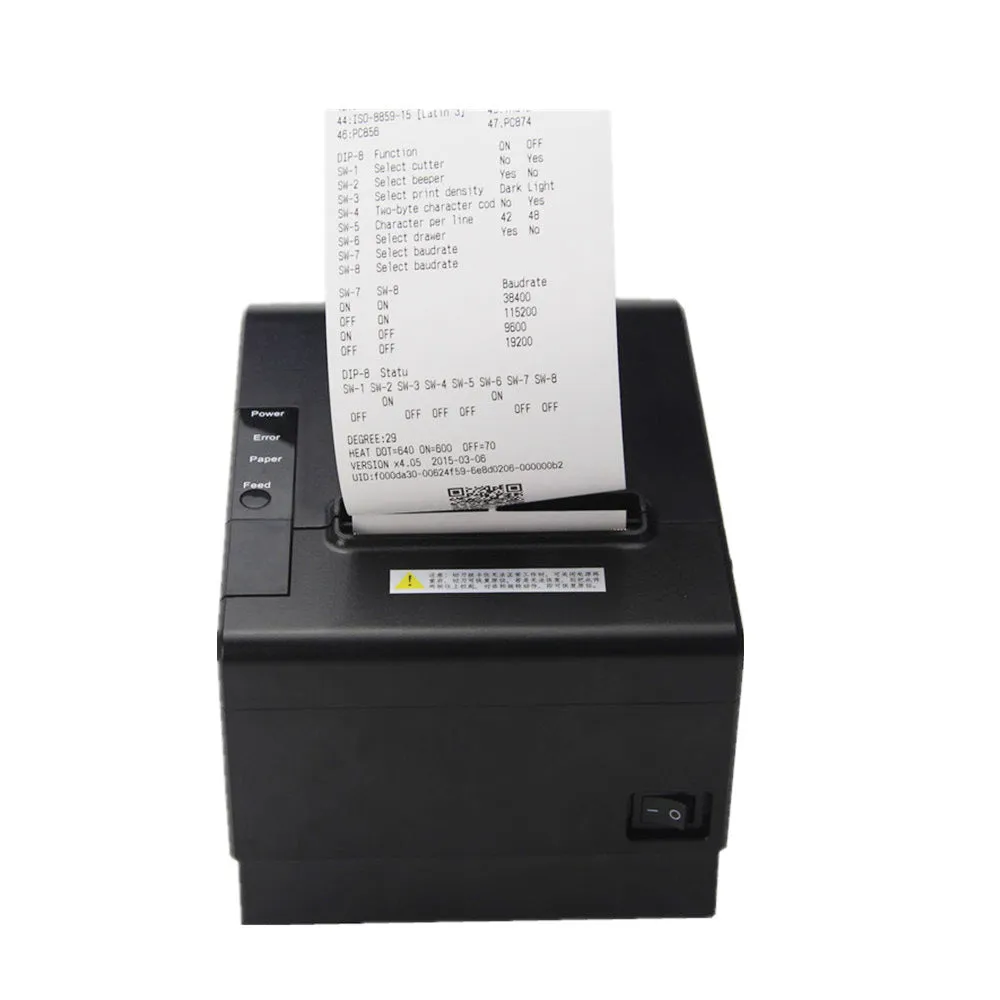
The printer's design and connectivity options make it suitable for a range of business types. It serves as the final hardware step in a transaction, providing customers with a physical record. Effective placement is crucial for workflow efficiency, and its size affords flexibility in various commercial layouts.
For temporary events like pop-up markets, festivals, or catering services, the printer's portability and multiple connectivity options (especially WiFi or Bluetooth models) allow for quick setup. It can be paired with mobile tablets or laptops running POS software, generating receipts on-site without the need for extensive wired infrastructure. The Ethernet model variant is ideal for fixed installations in small cafes or retail shops where a stable wired network connection is preferred for integration with a main POS terminal.
While designed for commercial environments, this printer could also serve home-based businesses, such as online sellers needing packing slips or craft market vendors. The compact size is advantageous for home offices or workshops where dedicated commercial equipment space is limited. The minimal design helps it blend into a domestic setting more easily than bulkier industrial printers.
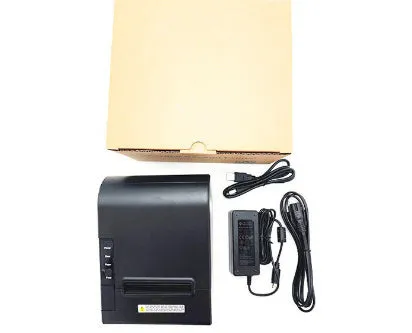
The value of this thermal printer lies in its focused functionality, space-efficient design, and configurable connectivity. It solves the specific problem of needing reliable receipt output without consuming valuable real estate on a service counter, a common constraint in small business environments.
Thermal printers generally require less maintenance than impact printers, as they have fewer moving parts and no ink or toner to replace. The ongoing consumable is the thermal paper roll. The robust design intended for commercial use suggests it is built for repeated daily operation over time. Choosing the correct connectivity model for your setup (USB/Ethernet for fixed desks, WiFi/Bluetooth for mobility) ensures a seamless, long-term integration that reduces setup friction.
This printer stands out for its explicitly compact dimensions combined with a choice of connectivity models. This allows a business to select the exact interface combination (USB/Network, USB/Serial, etc.) required by their specific POS system or operational style, avoiding the cost and clutter of unnecessary ports. The minimalist design is not merely aesthetic; it translates to a smaller, more manageable device that performs the essential task of 80mm receipt printing efficiently where space is a key consideration.