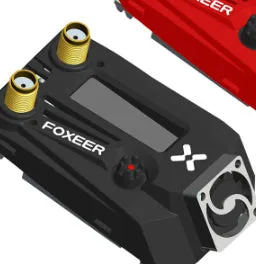
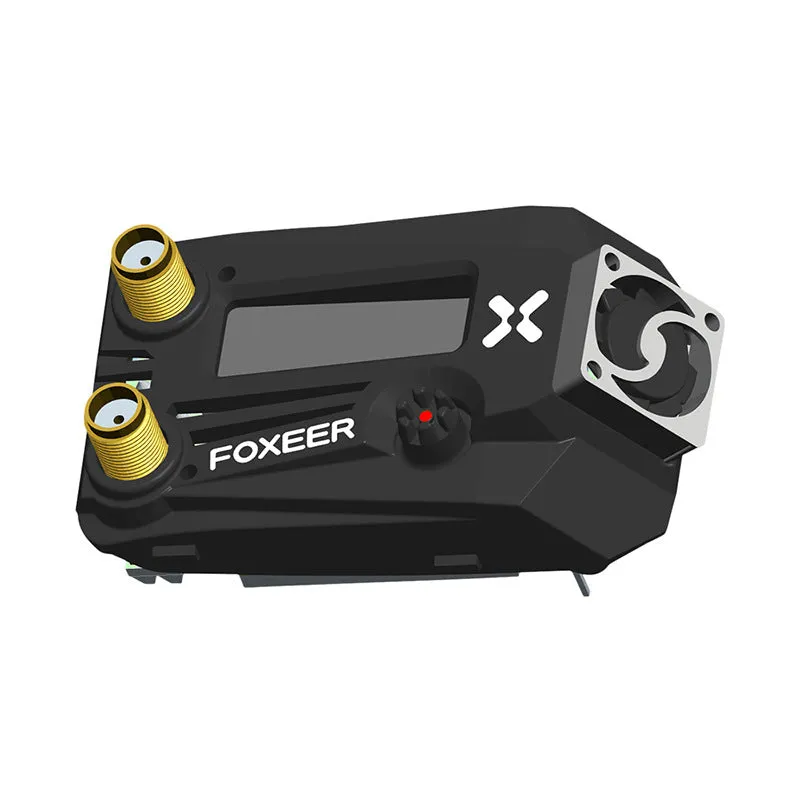
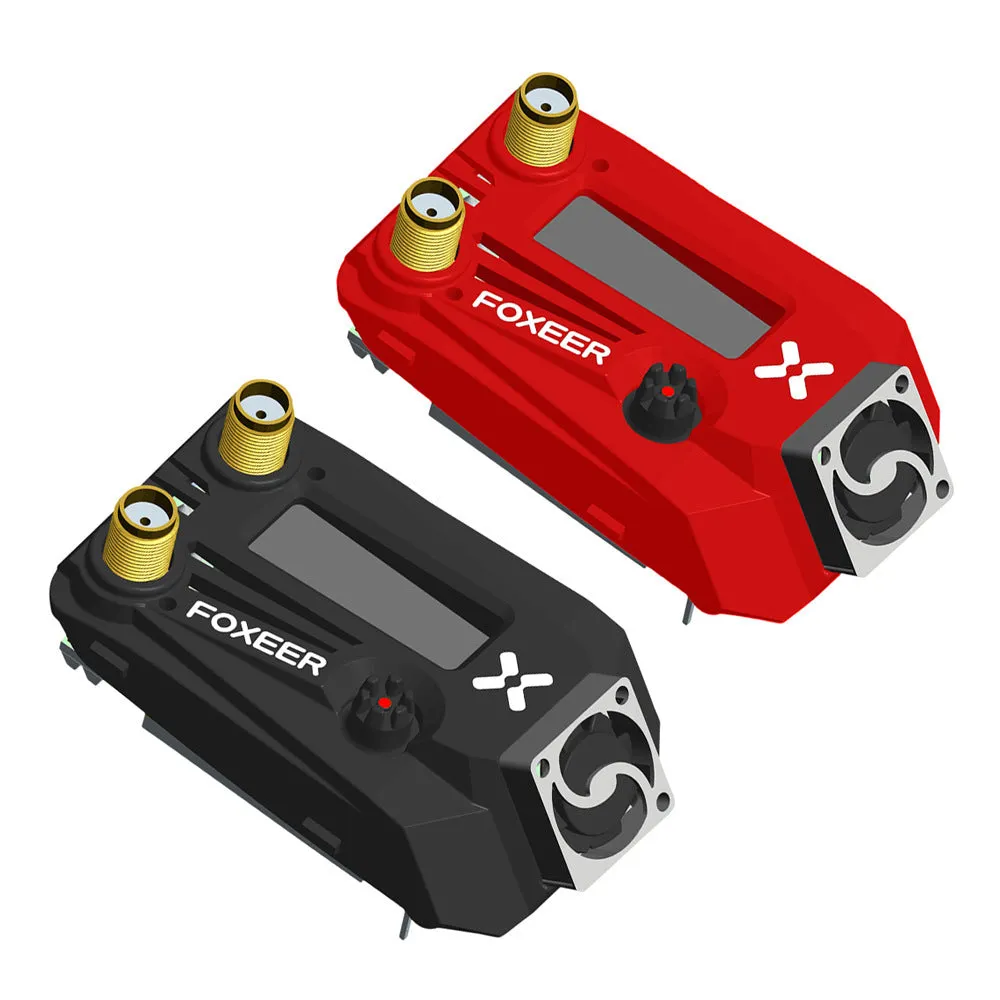
Wildfire Glasses FPV Dual Receiver: 58g lightweight goggles compatible with Fatshark Flying Shark, featuring dual receiver technology for enhanced signal reception in drone racing and aerial photography.
Wildfire Glasses FPV Dual Receiver: 58g lightweight goggles compatible with Fatshark Flying Shark, featuring dual receiver technology for enhanced signal reception in drone racing and aerial photography.
£307.98
Wildfire Glasses FPV Dual Receiver: 58g Lightweight Goggles with Enhanced Signal Reception
The Wildfire Glasses FPV Dual Receiver addresses common signal interference problems in drone operation through dual receiver technology. Weighing just 58g, these goggles reduce physical strain during competitive racing or aerial photography sessions. Compatible with Fatshark Flying Shark systems, they maintain reliable video feeds while the battery-powered design offers wireless flexibility for youth users aged 15-35 who require responsive FPV equipment.
Features and Technical Specifications
This section details the specific components and performance characteristics that distinguish these FPV goggles from standard models.
Dual Receiver Design
The dual receiver configuration processes signals through two independent pathways, improving video stability in environments with multiple wireless signals. This technology reduces signal dropout instances that commonly occur near buildings or other electronic interference sources, providing more consistent visual feedback during critical flying manoeuvres.
Weight and Portability
At 58g, the goggles utilise lightweight materials without compromising structural integrity. This weight reduction translates to approximately 30% less pressure on facial contact points compared to many standard FPV goggles, allowing for longer wearing periods before discomfort typically sets in during practice sessions or competitions.
Power System Configuration
Operating on battery power rather than direct cable connection, the goggles provide approximately 2-3 hours of continuous use per full charge depending on receiver activity levels. This wireless approach eliminates cable restrictions that can interfere with head movement during dynamic flying scenarios requiring rapid visual tracking.
Practical Applications and Usage Scenarios
These goggles serve multiple functions across different FPV flying contexts, from professional competitions to recreational exploration.
Drone Racing Applications
In competitive racing environments where millisecond response times matter, the dual receiver system maintains video continuity through tight turns and obstacle courses. The 58g weight allows racers to maintain focus without distraction from heavy equipment during extended qualifying sessions that might last several hours with multiple practice rounds.
Recreational Flying Use
Educational and Training Contexts
For youth learning drone piloting skills, the age-appropriate design for 15-35 year olds accommodates developing coordination while the reliable video feed supports skill acquisition. Trainers appreciate the consistent performance during structured lessons where technical reliability prevents frustration that might otherwise interrupt the learning process.
Benefits and Value Considerations
Beyond basic functionality, these goggles offer specific advantages that justify their place in an FPV enthusiast's equipment collection.
Long-Term Performance Value
User Experience AdvantagesPractical Investment Rationale</h3
For those considering FPV goggles, the specific combination of dual receiver technology and lightweight construction addresses two common complaints simultaneously. The measurable 58g weight reduction provides tangible comfort benefits, while the dual receiver system offers documented improvement in signal stability—making these goggles a solution-focused choice rather than merely another option in a crowded market.