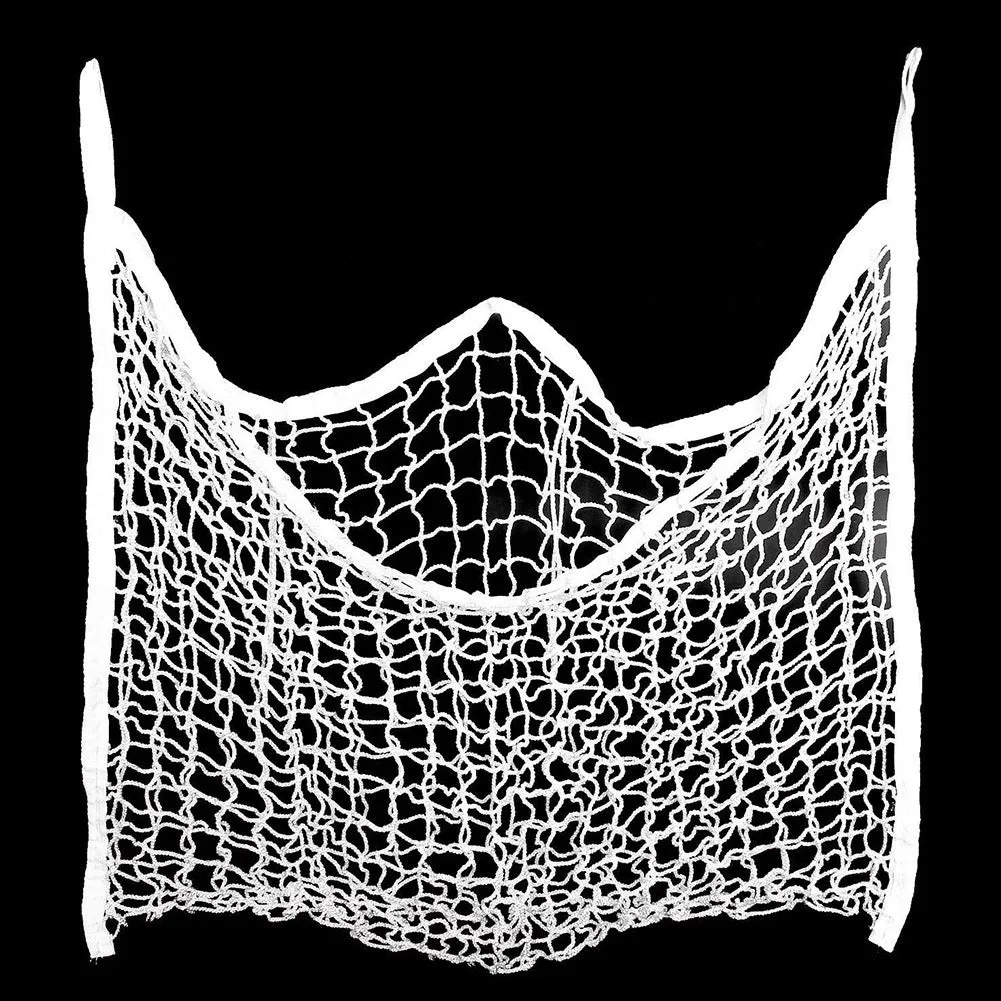
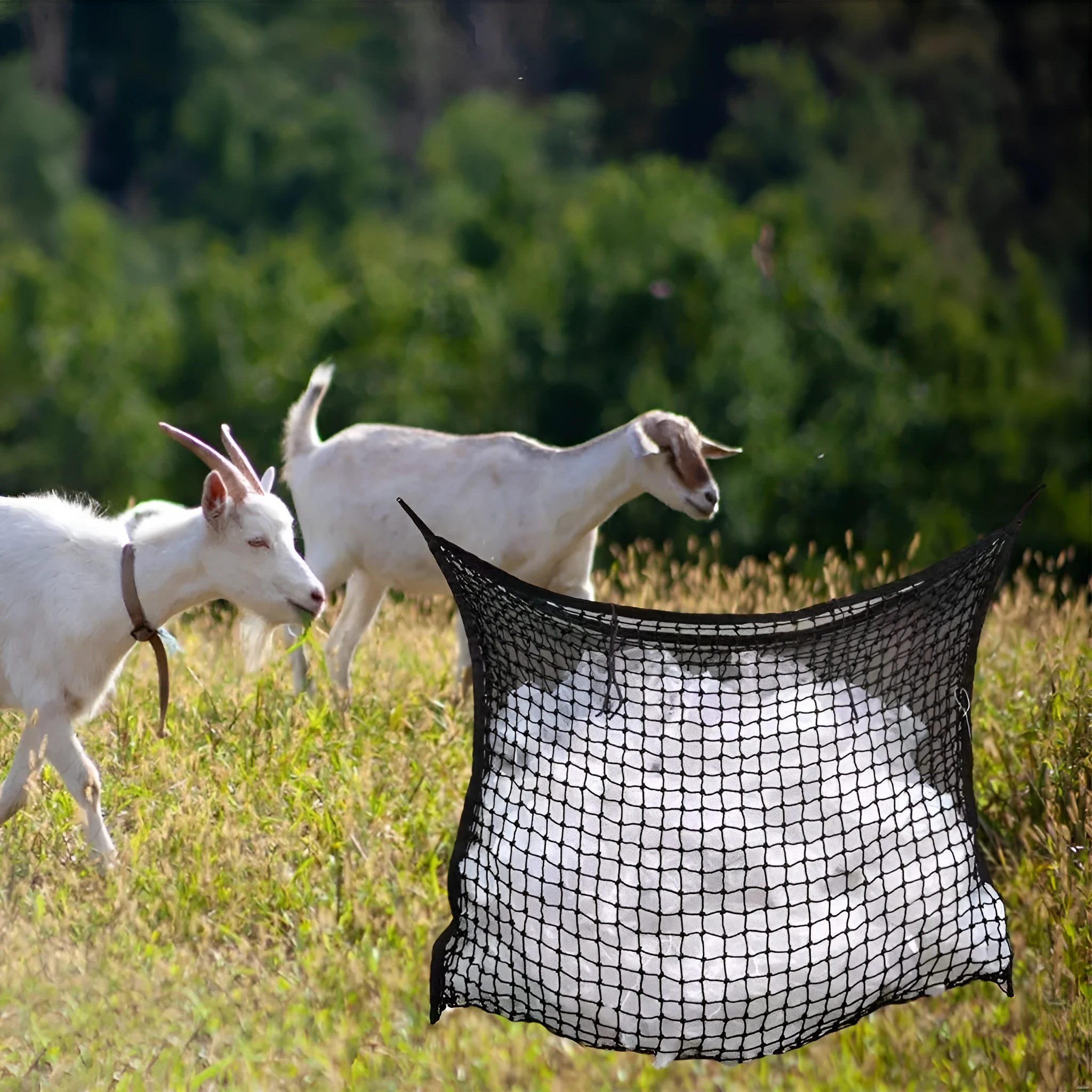
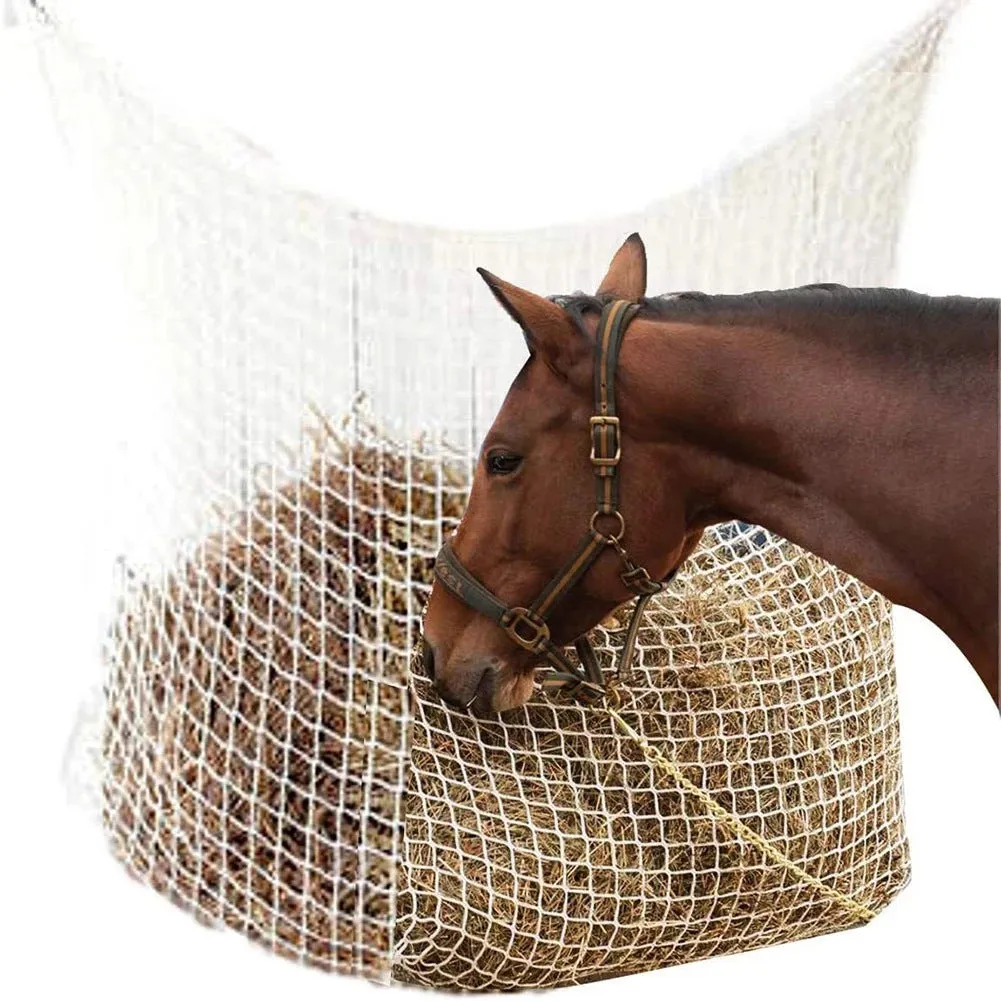
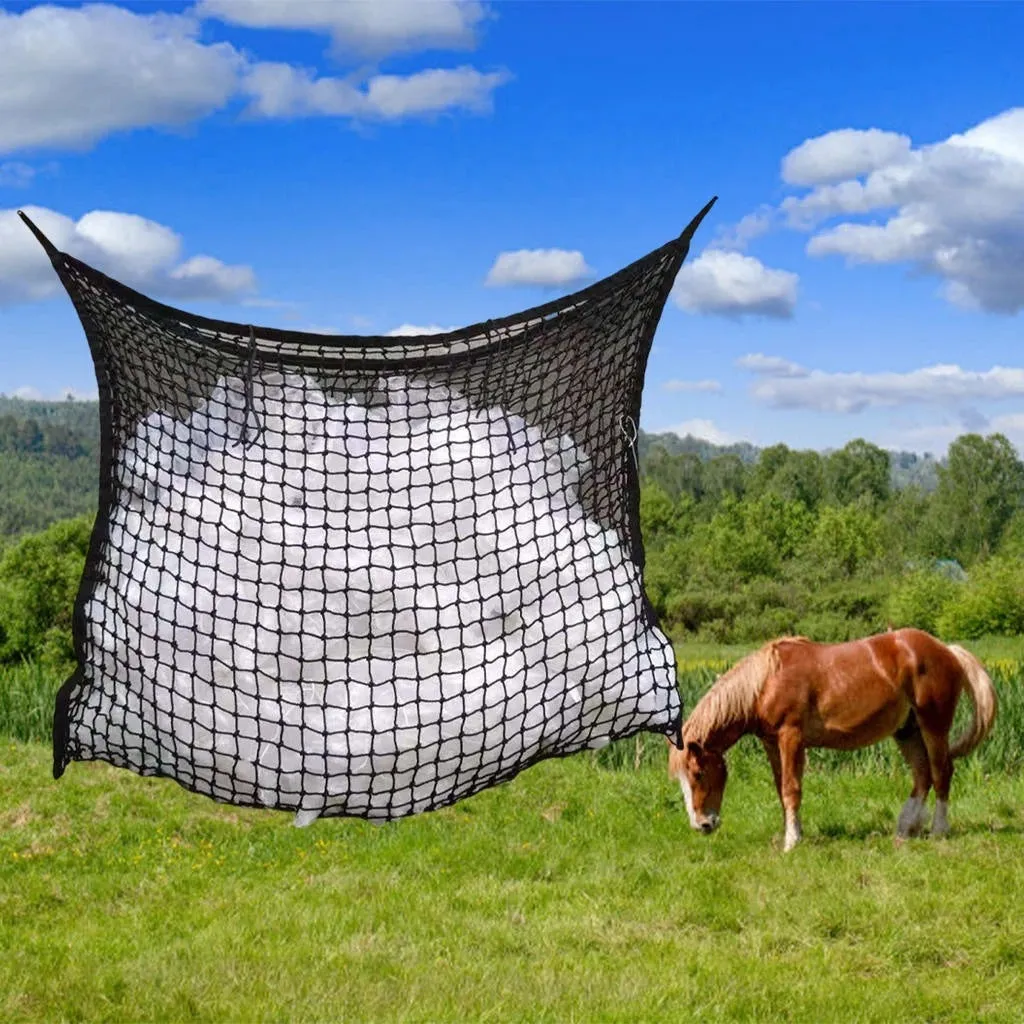
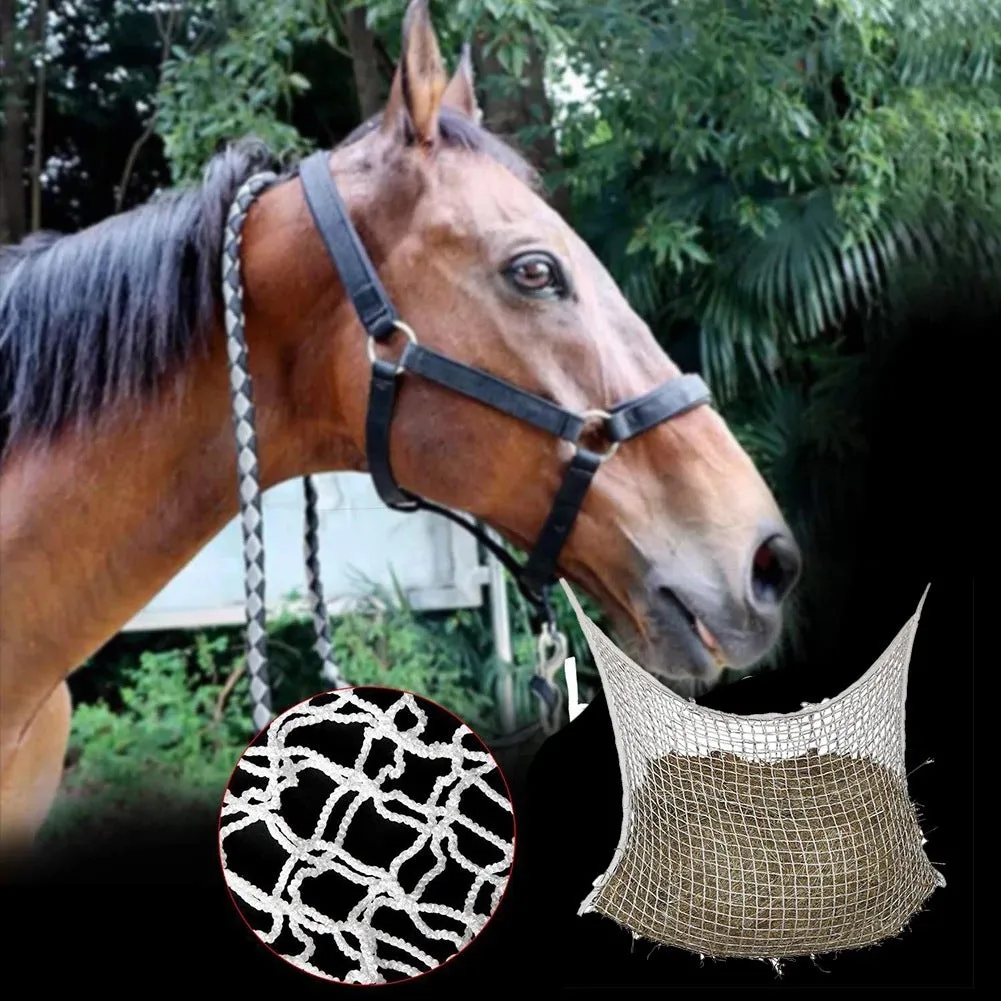
Weaving Grid Horse Hanging Feeding Bag: Durable woven PE rope design for cattle, horses, and sheep, available in black or white with sizes from 60x90cm to 160x100cm for secure feed containment.
Weaving Grid Horse Hanging Feeding Bag: Durable woven PE rope design for cattle, horses, and sheep, available in black or white with sizes from 60x90cm to 160x100cm for secure feed containment.
£44.98
Weaving Grid Horse Hanging Feeding Bag: Durable PE Rope Design for Controlled Livestock Feeding
This woven grid feeding bag provides a practical solution for managing feed consumption in cattle, horses, and sheep. The polyethylene rope construction creates a durable container that allows animals to access feed while minimising waste through its grid pattern. Available in four specific sizes from 60x90cm to 160x100cm, the bag accommodates different animal sizes and feeding requirements. The hanging design offers installation flexibility in various stable or barn configurations.
Features and Construction Quality
The feeding bag incorporates several design elements that contribute to its functionality in livestock management. Each component has been selected for its practical benefits in agricultural settings where durability and animal safety are priorities.
Woven Grid Design Pattern
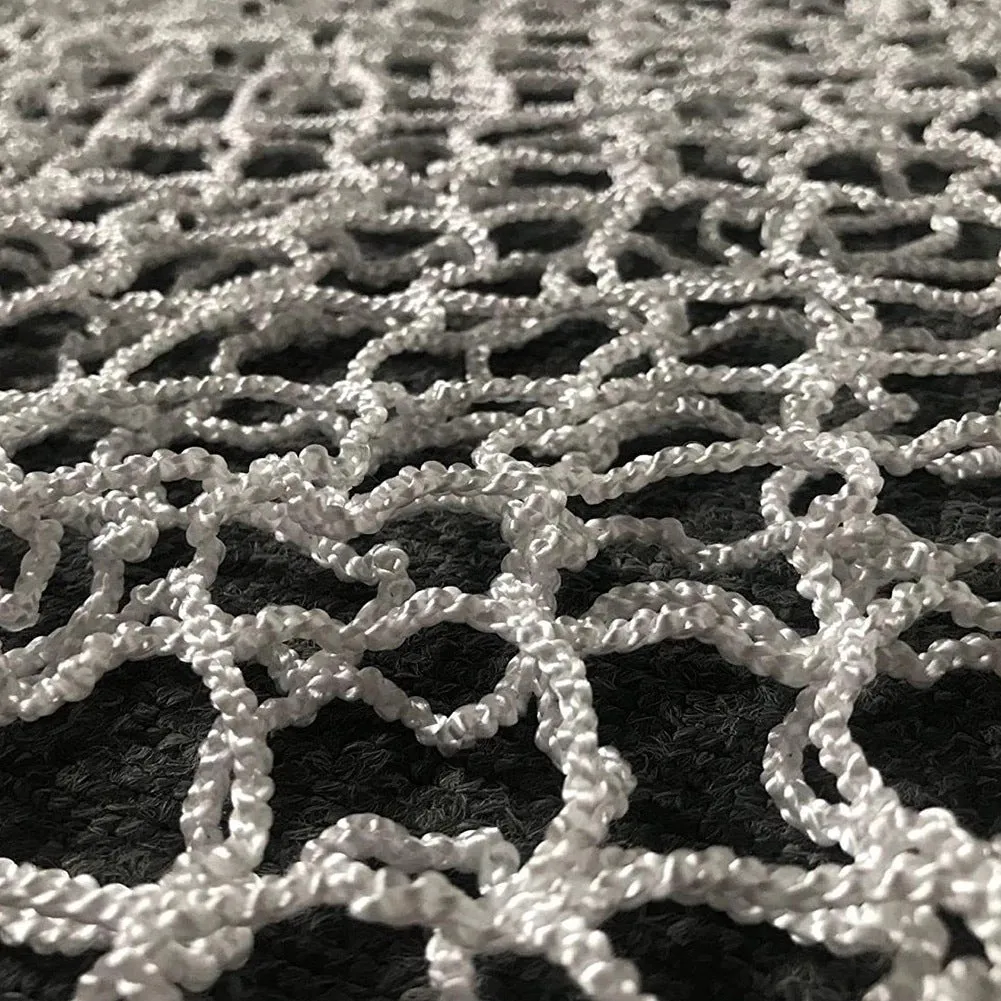
The polyethylene rope is woven into a consistent grid pattern measuring approximately 2-3cm between strands. This spacing allows animals to access feed while preventing them from taking large mouthfuls that can lead to digestive issues. The open structure provides ventilation that helps maintain feed freshness in humid conditions common in UK agricultural environments.
Size Specifications and Capacity
Four precise size options accommodate different livestock requirements: 60x90cm for smaller animals or individual feeding, 80x90cm for medium-sized animals, 120x90cm for larger livestock, and 160x100cm for group feeding situations. These measurements provide clear capacity guidance for farmers planning their feeding station layouts and feed quantity management.
Material Durability Features
The woven polyethylene construction offers resistance to moisture, animal saliva, and UV exposure when used in partially sheltered areas. The rope thickness of approximately 4-5mm provides sufficient strength to withstand regular animal contact while maintaining flexibility for easy filling and cleaning. The material's inherent properties prevent mould growth in damp conditions.
Practical Applications and Uses
This feeding bag serves multiple purposes in livestock management, from individual animal care to group feeding scenarios. Its design addresses common challenges faced by UK farmers and stable managers in maintaining efficient feeding routines.
Professional Livestock Management
For professional farmers, the bag facilitates controlled feeding programmes where specific ration amounts are important. The grid pattern allows monitoring of feed consumption rates, helping identify animals with reduced appetite that may require veterinary attention. The multiple size options enable customisation for different livestock types common on UK farms, from dairy cattle to riding school horses.
Everyday Stable and Barn Use
In daily use, the bag's woven texture provides tactile feedback to animals as they feed, creating a natural feeding rhythm. The polyethylene material offers a slight flexibility that accommodates animal movement without restricting access. When filled, the bag maintains its shape while allowing animals to work for their feed, mimicking natural grazing behaviour that can reduce stable vices in confined animals.
Versatile Installation Options
The hanging design permits installation on various stable fixtures including stall bars, fence posts, or dedicated feeding stations. This versatility supports different barn layouts common in UK agricultural buildings, from traditional stone barns to modern stable blocks. The bag can be positioned at heights appropriate for different animal sizes, from sheep to tall horses.
Benefits and Value Considerations
Investing in proper feeding equipment contributes to overall livestock management efficiency and animal welfare. This feeding bag addresses several practical concerns while offering long-term value through its durable construction.
Long-Term Cost Efficiency
By reducing feed waste through controlled access, the bag can decrease overall feed costs over time. The durable polyethylene construction withstands regular use without requiring frequent replacement, providing better value than cheaper alternatives that may deteriorate quickly in agricultural environments. The ventilation properties help maintain feed quality, reducing spoilage losses.
Animal Welfare Satisfaction
Farmers experience practical satisfaction knowing their animals are feeding in a manner that supports digestive health. The controlled access provided by the grid pattern helps prevent rapid consumption that can lead to colic in horses or bloat in cattle. This technical feature translates to peace of mind during feeding times, particularly for valuable breeding stock or performance animals.
Practical Purchase Decision
Selecting the appropriate size from the four available options ensures the bag meets specific livestock requirements. The black and white colour choices allow coordination with different stable colour schemes while providing practical options for visibility in various lighting conditions. The simple design requires minimal maintenance while delivering consistent feeding management benefits.