Stay Inspired
Subscribe for exclusive tips and storage ideas to elevate your kitchen.


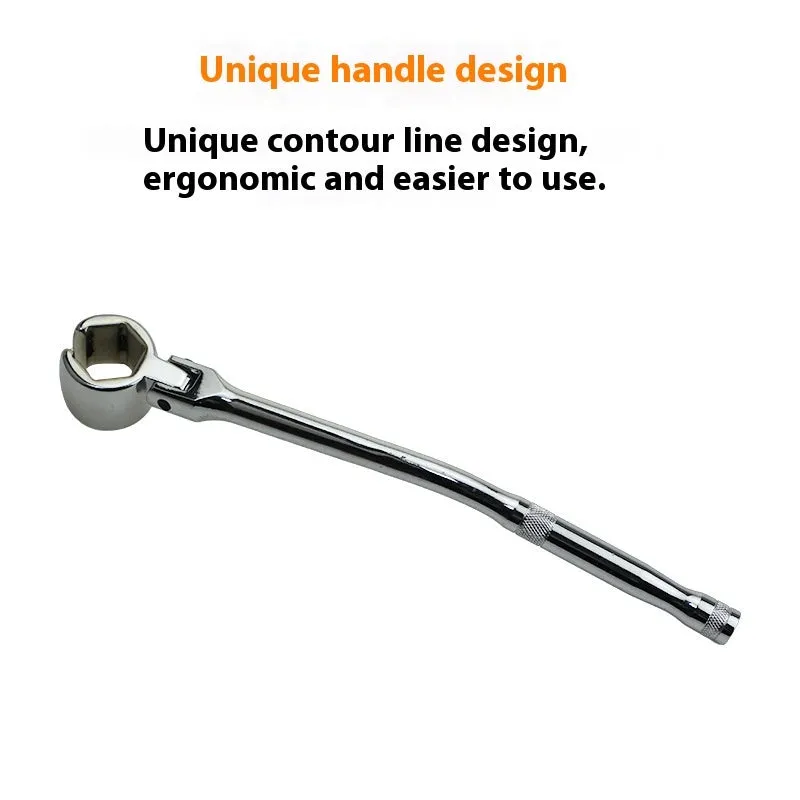
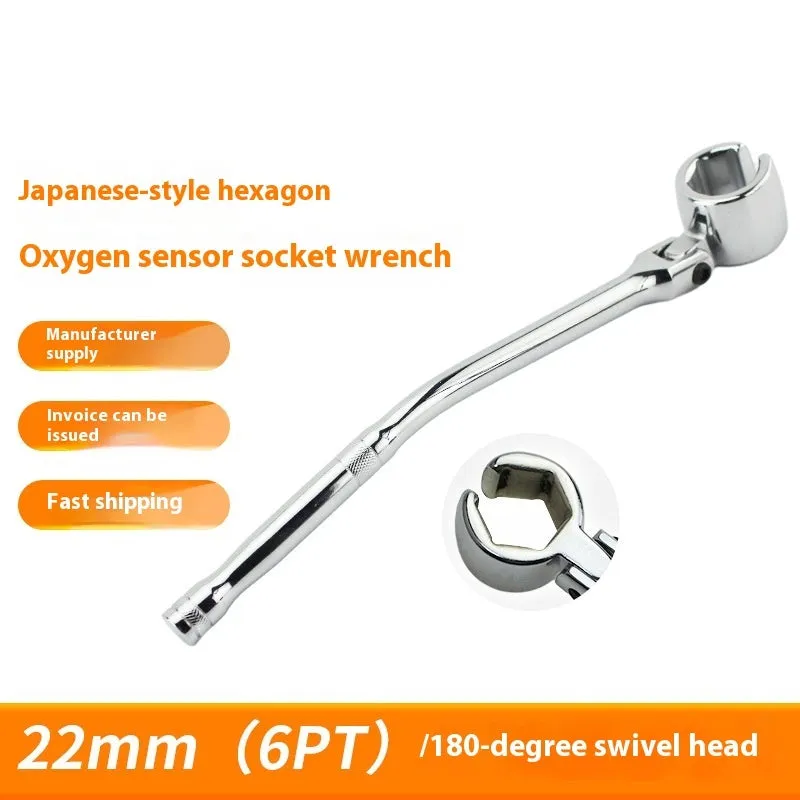
This specialised automotive tool addresses the common challenge of removing oxygen sensors, which frequently become seized in exhaust manifolds due to heat cycling and corrosion. The precisely engineered 22mm hexagonal socket provides an exact fit for standard oxygen sensor housings, preventing rounding damage that can occur with ill-fitting tools. At 270mm long, it offers substantial leverage advantage over shorter spanners, making stubborn sensor removal more manageable in confined engine bay spaces. The bright chrome plating maintains appearance and function in workshop environments where moisture and chemicals are present.
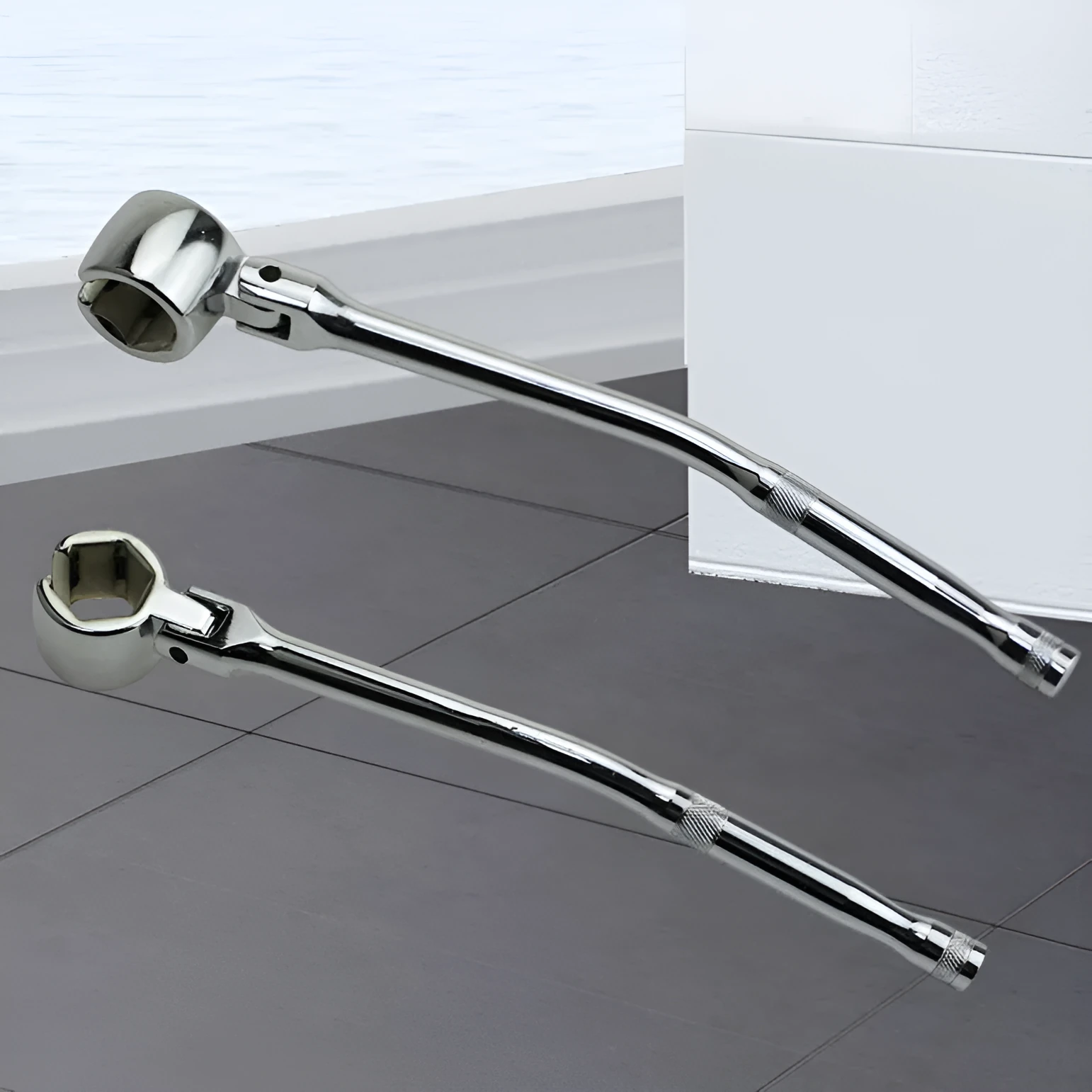
This oxygen sensor removal tool combines specific dimensional accuracy with robust construction materials suitable for professional automotive applications.
Manufactured from chromium vanadium steel, this tool offers the necessary strength for high-torque applications encountered when removing seized sensors. The head-poured construction process creates a solid one-piece design without weak points that could fail under pressure. The bright chrome surface treatment provides a protective layer against rust and corrosion, important for tools used in automotive workshops where exposure to moisture and chemicals is common.
With a total length of 270mm, this tool provides significantly more leverage than standard length sockets, reducing the effort required to break free stubborn oxygen sensors. The hexagonal opposite-edge design ensures maximum contact area with sensor housings, distributing force evenly and minimising the risk of rounding the typically soft sensor metal. This dimensional precision makes it particularly effective for sensors that have become heat-cycled and difficult to remove.

This specialised tool serves specific functions in automotive maintenance and repair scenarios where standard tools prove inadequate.
In professional workshop environments, this oxygen sensor socket streamlines emissions system repairs and diagnostics. Mechanics working on vehicles requiring oxygen sensor replacement, particularly those with limited access or corrosion issues, benefit from the precise fit and extended length. The tool reduces labour time compared to attempting removal with improvised solutions or risking damage with incorrect tools, making it valuable for garages handling multiple sensor replacements daily.
For home mechanics undertaking vehicle maintenance, this dedicated tool prevents the frustration of rounded sensor housings that can complicate what should be straightforward replacements. When performing emissions-related repairs or preparing vehicles for MOT testing, having the correctly sized tool ensures sensor removal doesn't become a major obstacle. The extended length provides sufficient leverage for DIY enthusiasts working without pneumatic tools, making sensor replacement projects more manageable in home workshop settings.

This specialised tool offers practical advantages over makeshift solutions for a common automotive repair task.
The chrome-plated chromium vanadium steel construction provides durability for repeated use across multiple vehicle repairs. Unlike borrowed or improvised tools that might not fit properly, this dedicated socket maintains its precise dimensions through extended use. Simple cleaning with a dry cloth after use preserves the chrome finish and ensures reliable performance for future sensor removal tasks, representing a long-term solution rather than a temporary fix.
This oxygen sensor removal tool provides the specific dimensions and construction needed for a task where general-purpose tools often prove inadequate. The 22mm hexagonal design matches common sensor housing sizes, while the 270mm length offers practical leverage advantages in confined engine compartments. By preventing damage to sensor housings during removal, it reduces the risk of additional repairs and expenses. For anyone regularly performing automotive maintenance involving oxygen sensors, this dedicated tool represents a practical investment that addresses a specific technical challenge with appropriate engineering.