Stay Inspired
Subscribe for exclusive tips and storage ideas to elevate your kitchen.


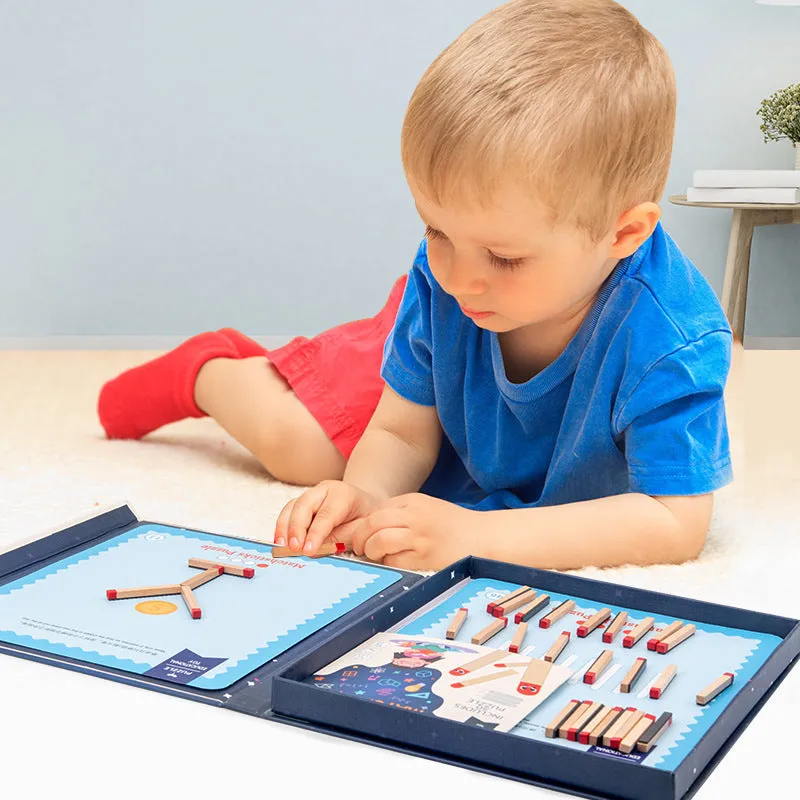
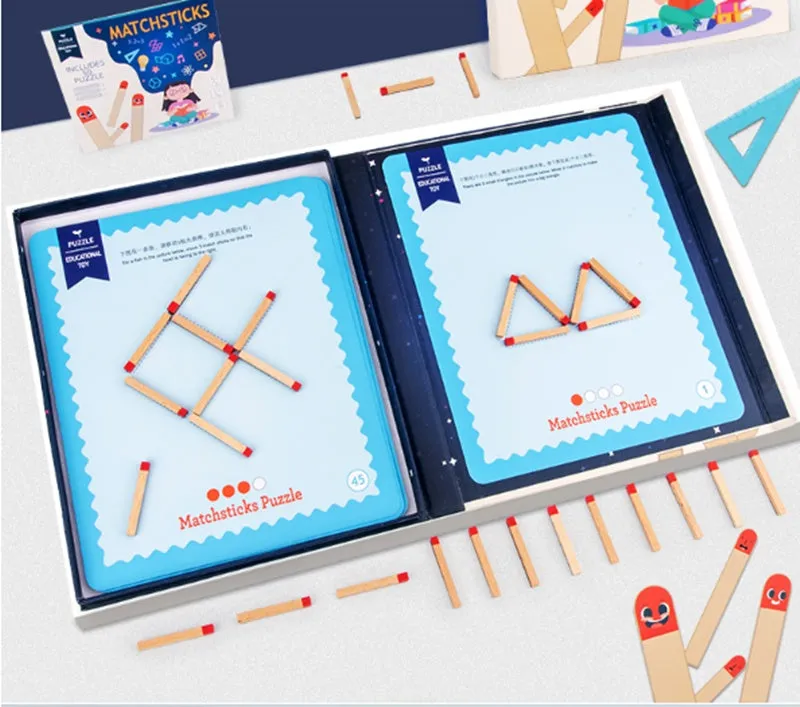
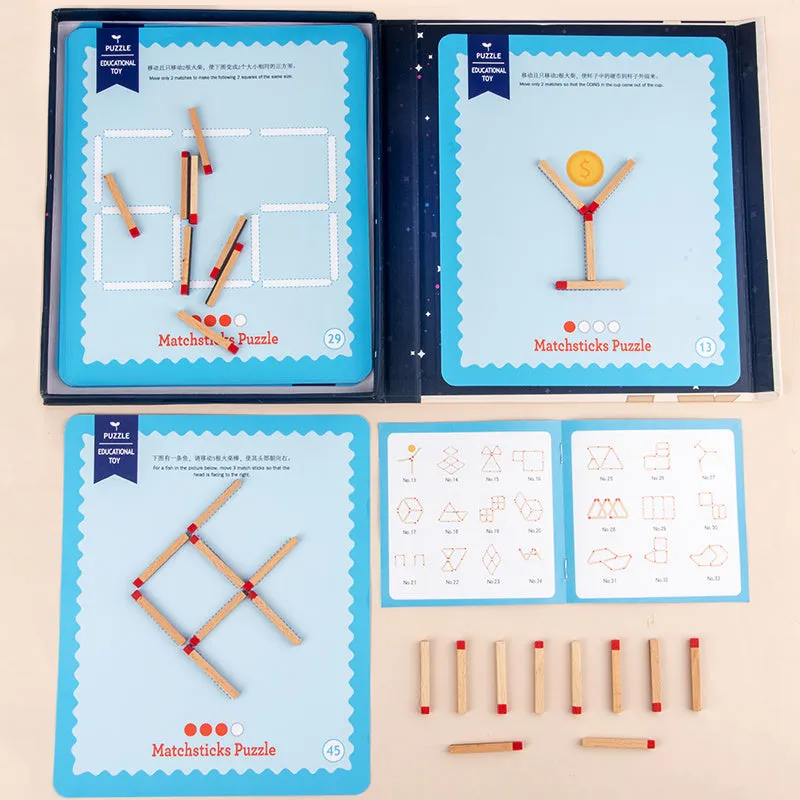
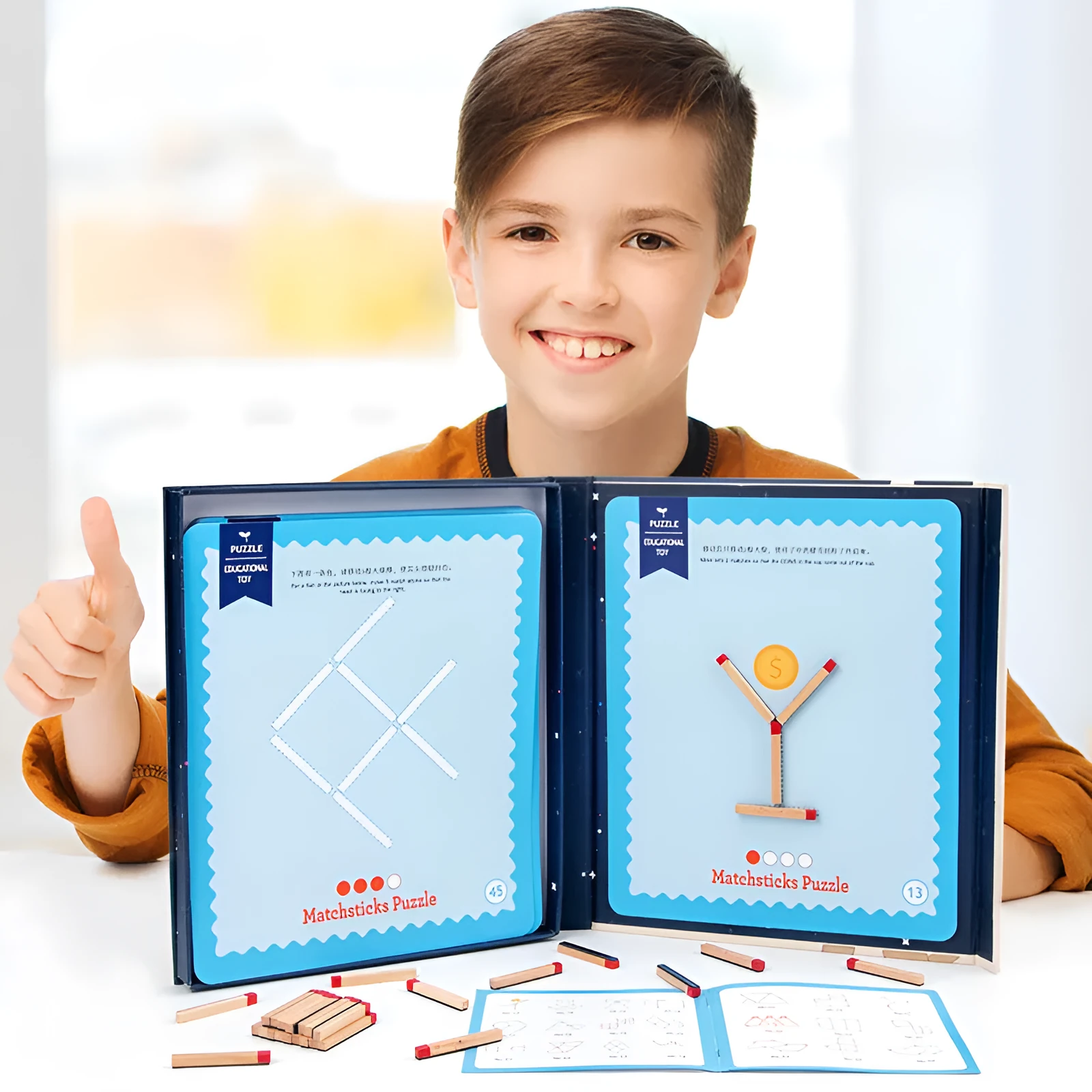
This wooden educational toy introduces children to structured problem-solving through a tangible, screen-free activity. Designed within the Montessori ethos, it leverages physical manipulation of matches and cards to engage young minds. The core activity involves selecting a question card, placing it in the designated answer area on the toy, and using matchsticks to construct a solution in the provided clear space. This process naturally cultivates patience, fine motor skills, and sequential thinking. The toy is explicitly categorised for emotional ability development, making it a tool for more than just logic, and is suitable for children under 14 years old as per its 3C configuration. By providing a set of instructions for answer comparison, it also teaches children that many problems can have multiple valid solutions, encouraging creative and flexible thought patterns.
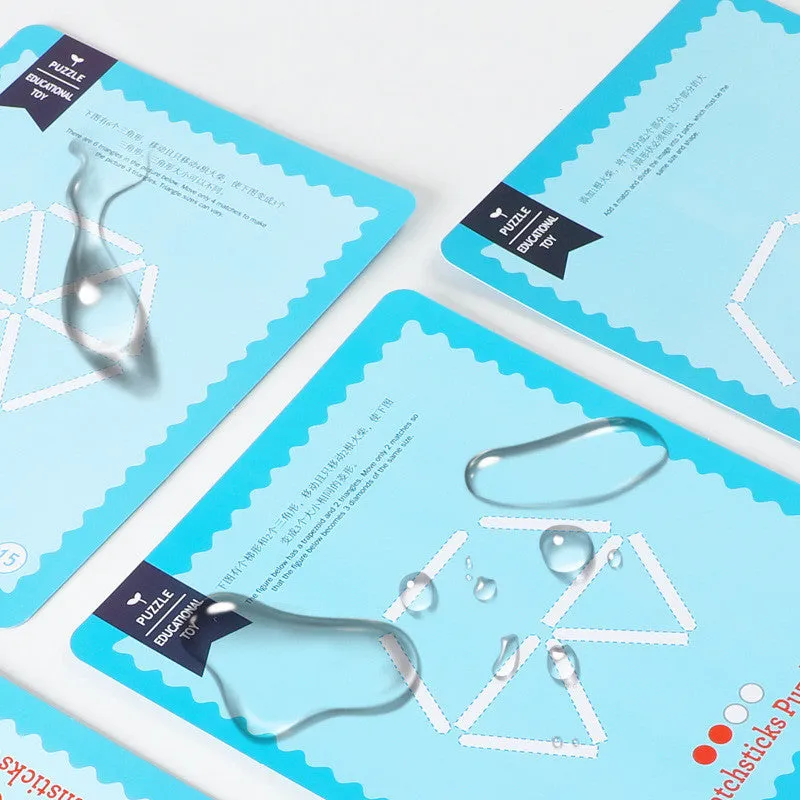
This toy is defined by its simple, material-focused construction and its specific interactive components designed for solo or guided play. The design prioritises a clear workflow from question to physical answer.
The toy is constructed from wood, offering a classic, durable, and natural tactile experience that is central to many Montessori and early learning environments. The wooden build ensures a solid, stable base for the activity components. There are no electronic parts or batteries, keeping the play experience purely physical and reducing overstimulation. The material choice aligns with the product's classification as a wooden building toy type, focusing on the sensory benefits of natural materials in child development.
While specific dimensions are not provided, the toy incorporates distinct functional zones critical to its use. The design includes a clear 'answer area' where the question card is placed, creating a defined workspace for the child. The 'clear area of the question card' is the specific space where matches must be arranged to spell out the solution. This structured layout helps children understand task boundaries and organise their thinking spatially. The physical size accommodates the manipulation of matchsticks and cards, making it suitable for tabletop play at home or in an educational setting.
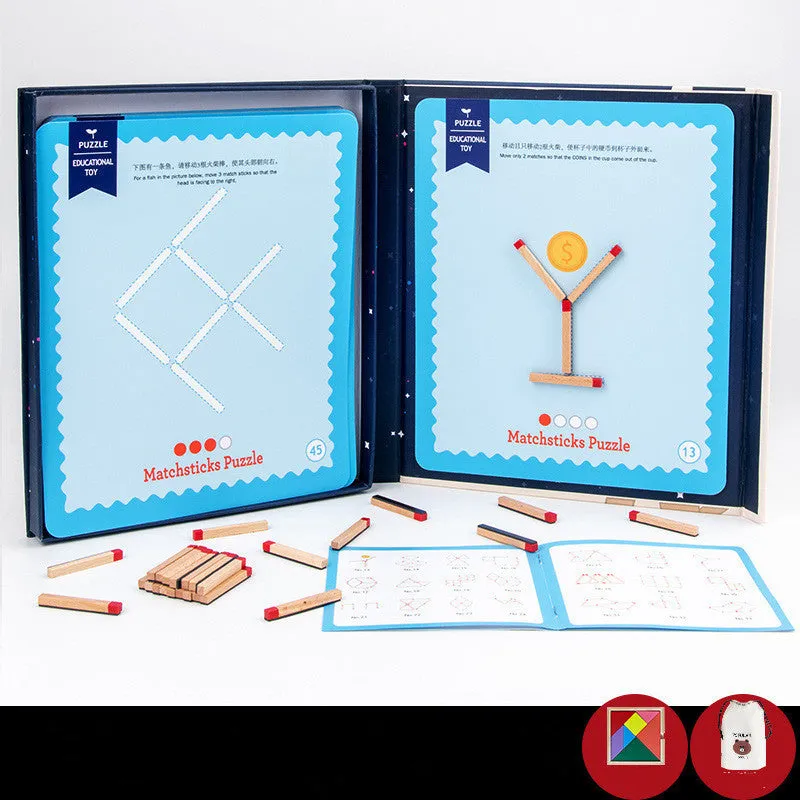
The toy's application bridges educational methodology with accessible home play. Its design supports specific developmental goals while fitting into everyday routines.
In formal educational settings like Montessori classrooms, nurseries, or therapy sessions, this toy serves as a practical resource for emotional and cognitive development exercises. Educators can use it to demonstrate how open-ended problems work, guiding children through the process of hypothesising, building, and comparing multiple answers. Its classification for emotional ability development makes it relevant for activities focusing on patience, frustration tolerance, and expressive problem-solving. The structured steps—from card selection to answer comparison—provide a clear framework for facilitated learning.
At home, this toy functions as an engaging alternative to digital games, promoting quiet, focused play. Parents can present it as a challenging puzzle activity for rainy afternoons or as part of a learning routine. The fact that answers are not unique reduces pressure, allowing children to experiment without fear of being 'wrong.' It encourages independent play as children follow the sequenced steps, but also offers opportunities for collaborative discussion when comparing answers with the instruction guide. Its wooden construction makes it a durable addition to a toy collection, suitable for repeated use.
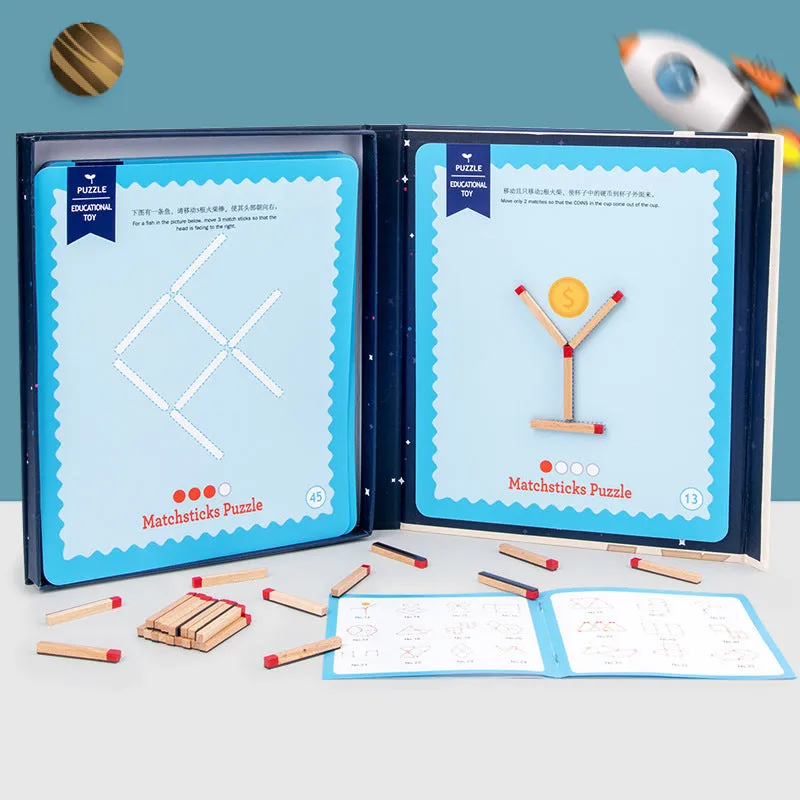
The value of this product lies in its focused design philosophy and the reusable, multi-solution nature of its puzzles, which extend its play life and developmental impact.
The toy offers inherent reusability as the question cards can be attempted multiple times, and the non-unique answers mean a child's solution can vary with each attempt. The wooden construction requires minimal maintenance; simply wiping it clean with a dry cloth is sufficient. With no intricate moving parts or electronics to fail, the toy is designed for longevity through many play sessions. The included instructions serve as a permanent reference, allowing the toy to be used effectively long after the initial purchase without needing replacement components.
This toy stands out for its dedicated focus on emotional development within a puzzle framework, a combination not always present in logic-based games. It translates abstract thinking into a very concrete, physical action—spelling with matches—which can be particularly effective for kinaesthetic learners. By validating multiple answers, it specifically counteracts rigid, right-or-wrong thinking, promoting intellectual flexibility. Its adherence to a wooden, non-digital format aligns with a conscious choice for tactile, slower-paced play. It provides a complete, self-contained activity system with all necessary components (toy, cards, matches, instructions) for immediate use.