Dual-band wireless router with 2.4GHz and 5GHz frequencies for stable internet connections across multiple devices in UK homes, supporting wired broadband setups without built-in firewall protection.
Dual-band wireless router with 2.4GHz and 5GHz frequencies for stable internet connections across multiple devices in UK homes, supporting wired broadband setups without built-in firewall protection.
£37.98
Dual-Band Wireless Router with 2.4GHz and 5GHz Frequencies for UK Home Networks
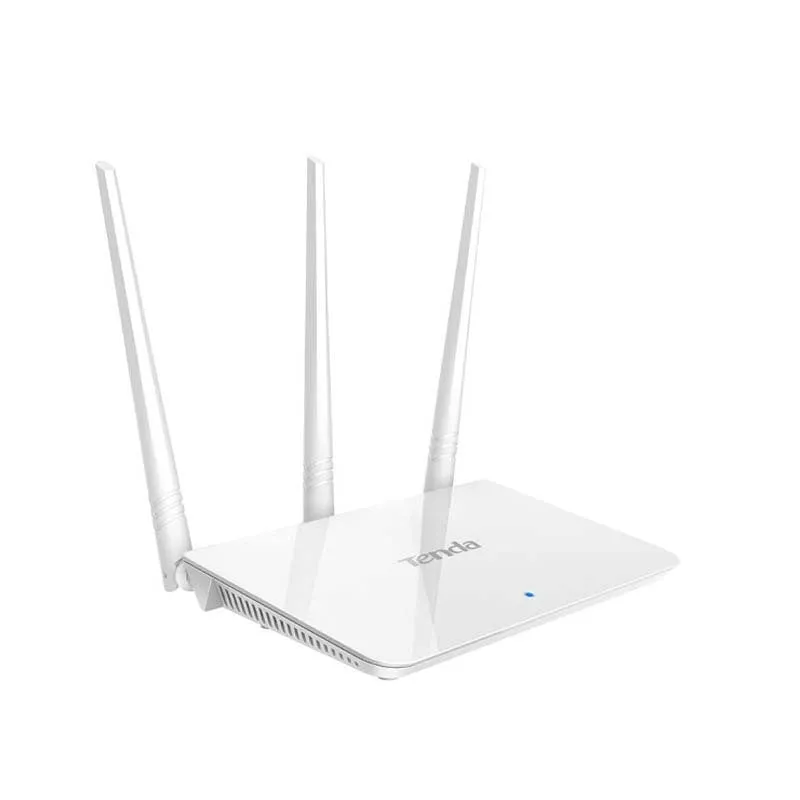
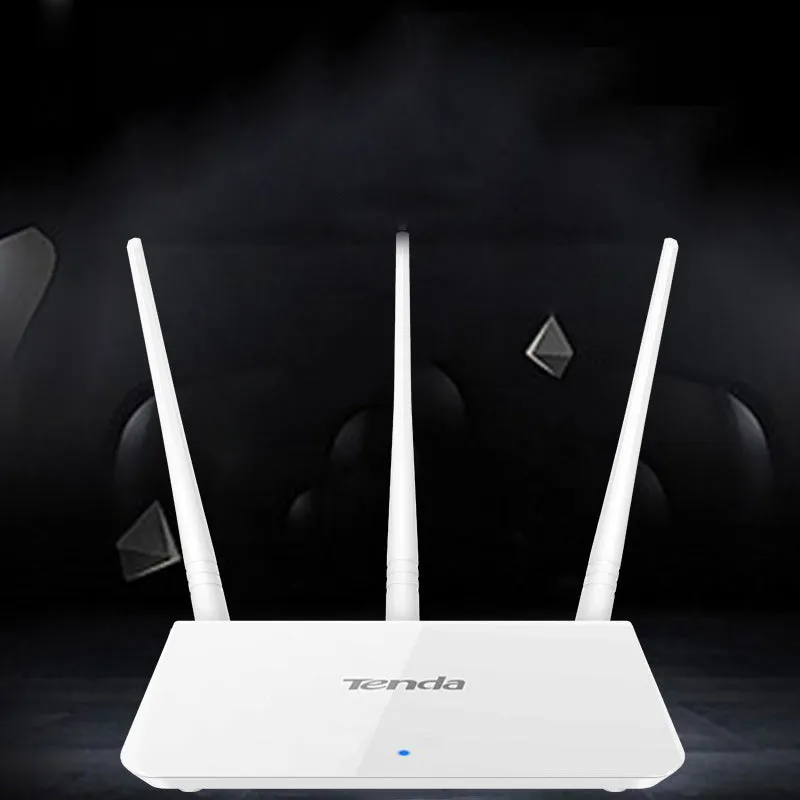
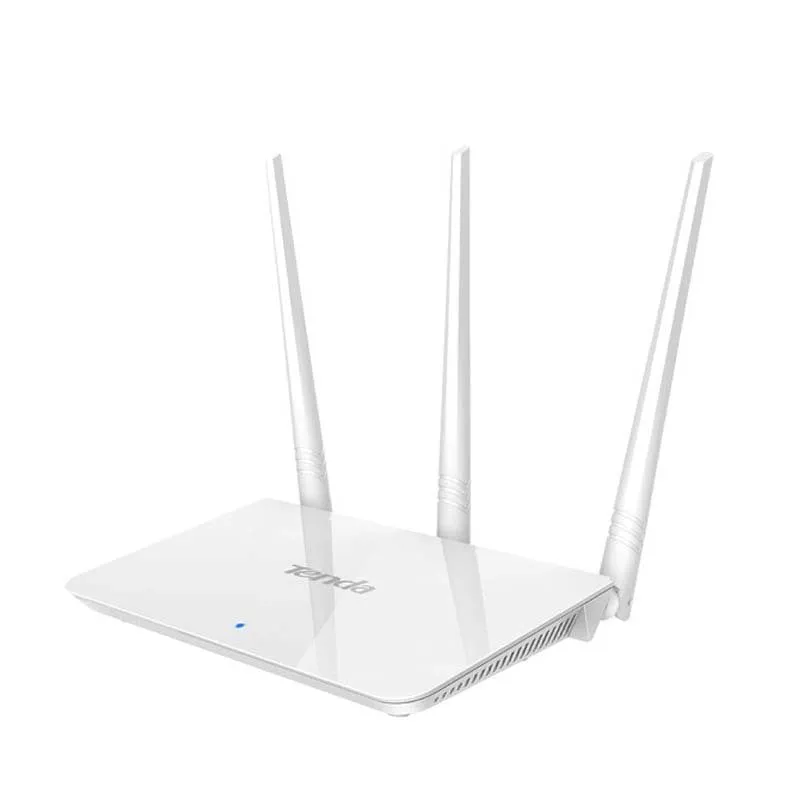
This wireless router establishes reliable internet connectivity through simultaneous 2.4GHz and 5GHz frequency bands, allowing you to allocate devices based on their specific needs. With dimensions of approximately 20cm wide, 15cm deep, and 3cm tall, the white plastic housing contains dual-band antennas that transmit wireless signals throughout your home. The router connects directly to your broadband modem via wired Ethernet cable, creating a stable foundation for streaming services, video calls, and online gaming without intermittent dropouts. Operating on UK standard 230V power with metric system specifications, this unit requires separate firewall configuration through your computer's operating system for complete network security.
Router Features and Network Quality Specifications
This section details the technical capabilities and construction elements that determine the router's performance in UK residential settings. From frequency band management to physical dimensions, each aspect contributes to consistent internet access for multiple connected devices.
Dual-Band Wireless Design
The router transmits on both 2.4GHz and 5GHz frequencies simultaneously, allowing strategic device allocation. The 2.4GHz band provides approximately 30% better wall penetration for devices further from the router, while the 5GHz band delivers faster data transfer rates within the same room. This separation reduces network congestion when multiple devices connect simultaneously, maintaining consistent speeds for streaming 4K video on one device while others browse websites or check emails.
Wired Connection Specifications
A single Ethernet port connects directly to your broadband modem, establishing the primary internet source with wired stability. This connection type eliminates wireless interference between modem and router, ensuring maximum available bandwidth reaches the router before distribution to wireless devices. The router supports standard UK broadband speeds up to 100Mbps through this wired connection, though actual performance depends on your internet service provider's package and local infrastructure.
Router Construction Quality
Housed in white plastic measuring approximately 20cm × 15cm × 3cm, the router incorporates ventilation slots along the sides and bottom for heat dissipation during continuous operation. Internal components include separate radio modules for each frequency band, with antennas positioned to provide omnidirectional coverage. The absence of a built-in firewall requires users to implement security measures through connected devices' operating systems or additional network hardware.
Practical Router Applications for UK Users
Understanding how this router functions in different scenarios helps maximise its benefits for your specific internet usage patterns. From professional work requirements to everyday household connectivity, the dual-band design adapts to various device types and locations.
Professional Home Office Use
Everyday Household Connectivity
Family homes benefit from the router's ability to maintain connections for multiple simultaneous users. The physical sensation of reliable connectivity comes from uninterrupted streaming on smart TVs connected via 2.4GHz while mobile devices use 5GHz for responsive browsing. The white plastic housing blends with typical UK home decor, and the compact 20cm width fits on most shelves or desks without dominating the space.
Network Configuration Versatility
Advanced users can leverage the separate frequency bands for specific purposes, such as dedicating the 5GHz band to gaming consoles for reduced latency while reserving 2.4GHz for IoT devices like smart thermostats. The absence of built-in firewall allows integration with preferred security solutions, whether software-based on individual computers or hardware-based through separate network security devices. This flexibility supports evolving smart home setups as you add connected devices over time.
Router Benefits and Long-Term Value
Investing in this dual-band router provides measurable advantages for your home network infrastructure. Beyond immediate connectivity improvements, the design supports evolving internet usage patterns and device ecosystems in typical UK households.
Network Performance Value
Compared to single-band routers, the dual-frequency design extends usable lifespan as you add more wireless devices to your home. The separation of bands prevents the performance degradation that occurs when smartphones, laptops, smart speakers, and streaming devices compete for bandwidth on a single frequency. This design maintains consistent speeds across all connected devices rather than experiencing slowdowns during peak usage times when multiple household members access the internet simultaneously.
User Experience Satisfaction
Confidence in your home network comes from the router's reliable connection maintenance, particularly noticeable during important video calls that no longer drop unexpectedly. This reliability stems from the wired connection to your broadband modem combined with strategic frequency band allocation that prevents interference between device types. The compact 20cm width and white colour scheme integrate discreetly into your living space while providing full wireless coverage.
Network Upgrade Considerations</h3
When expanding your home's internet capabilities, this router establishes a foundation that supports additional access points if needed for larger properties. The dual-band design accommodates future device additions without requiring immediate replacement, as newer smartphones, tablets, and smart home devices continue to support both 2.4GHz and 5GHz frequencies. The separate security configuration allows implementation of appropriate protection measures as your network usage evolves over time.