Stay Inspired
Subscribe for exclusive tips and storage ideas to elevate your kitchen.


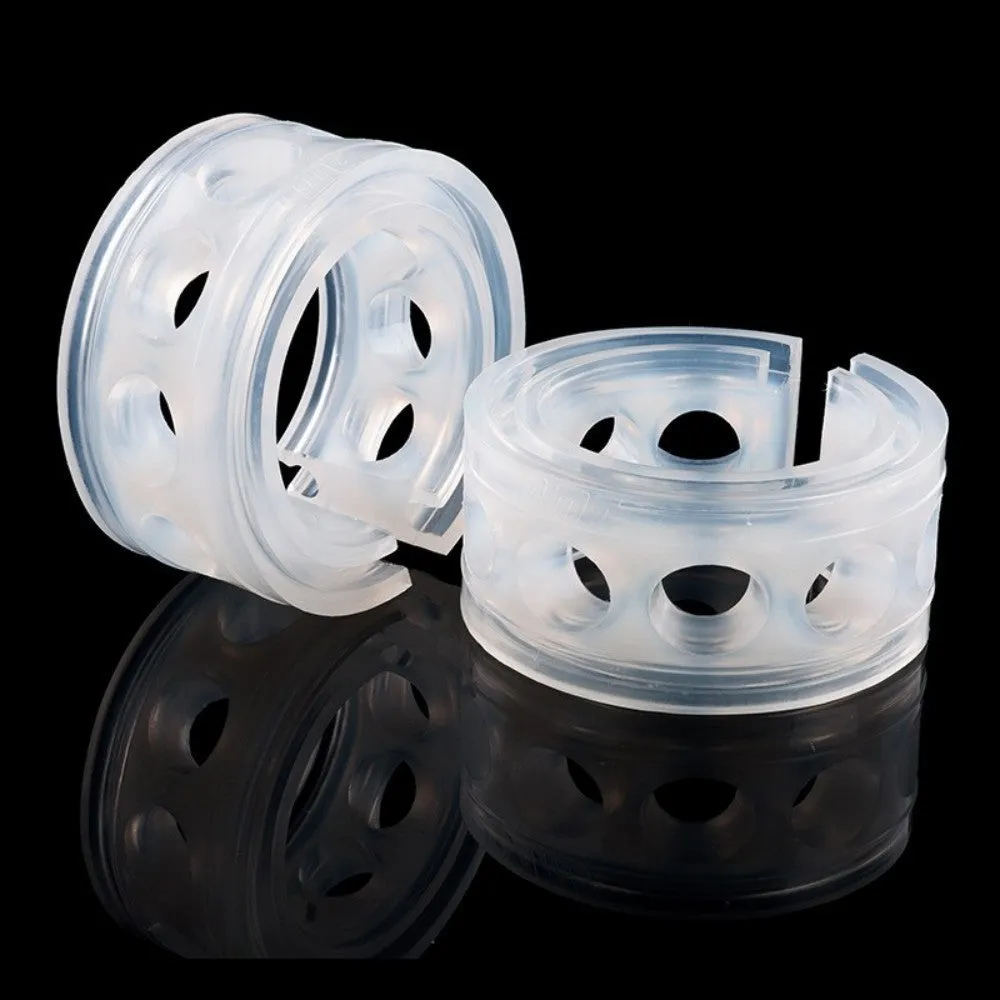
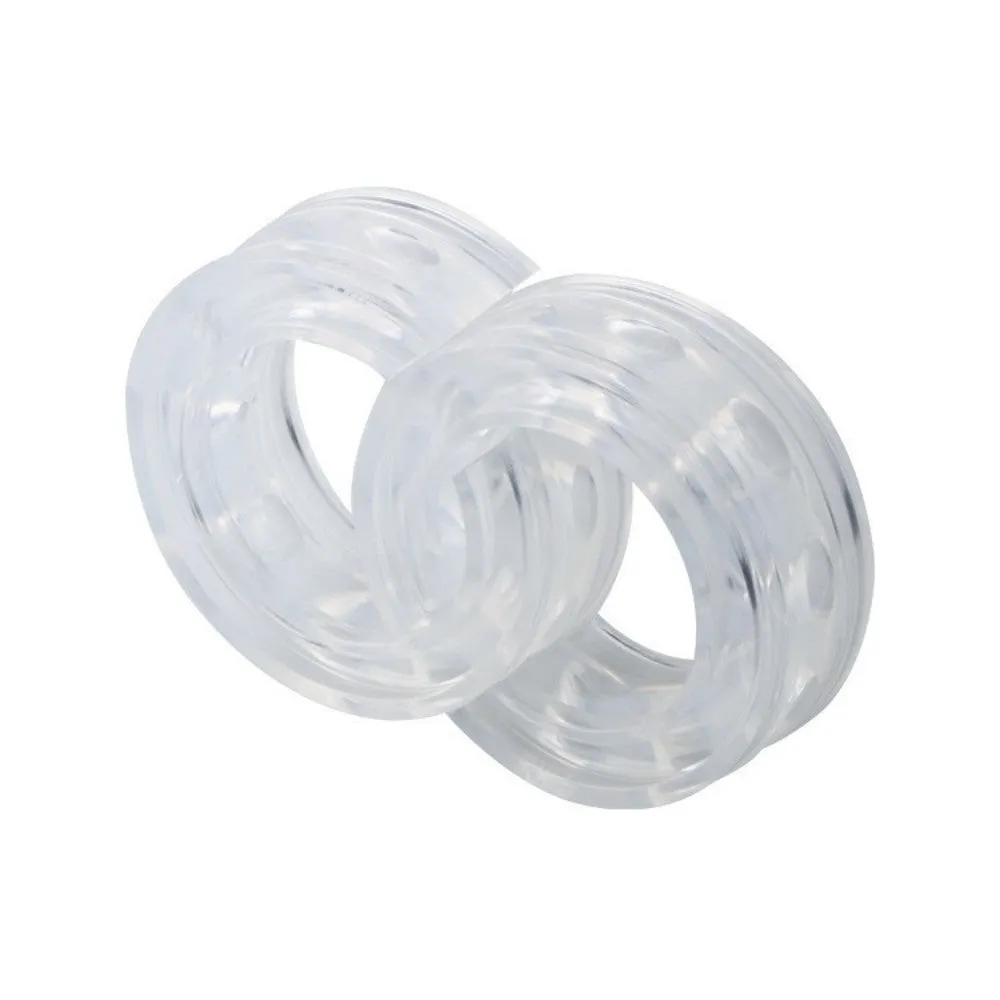
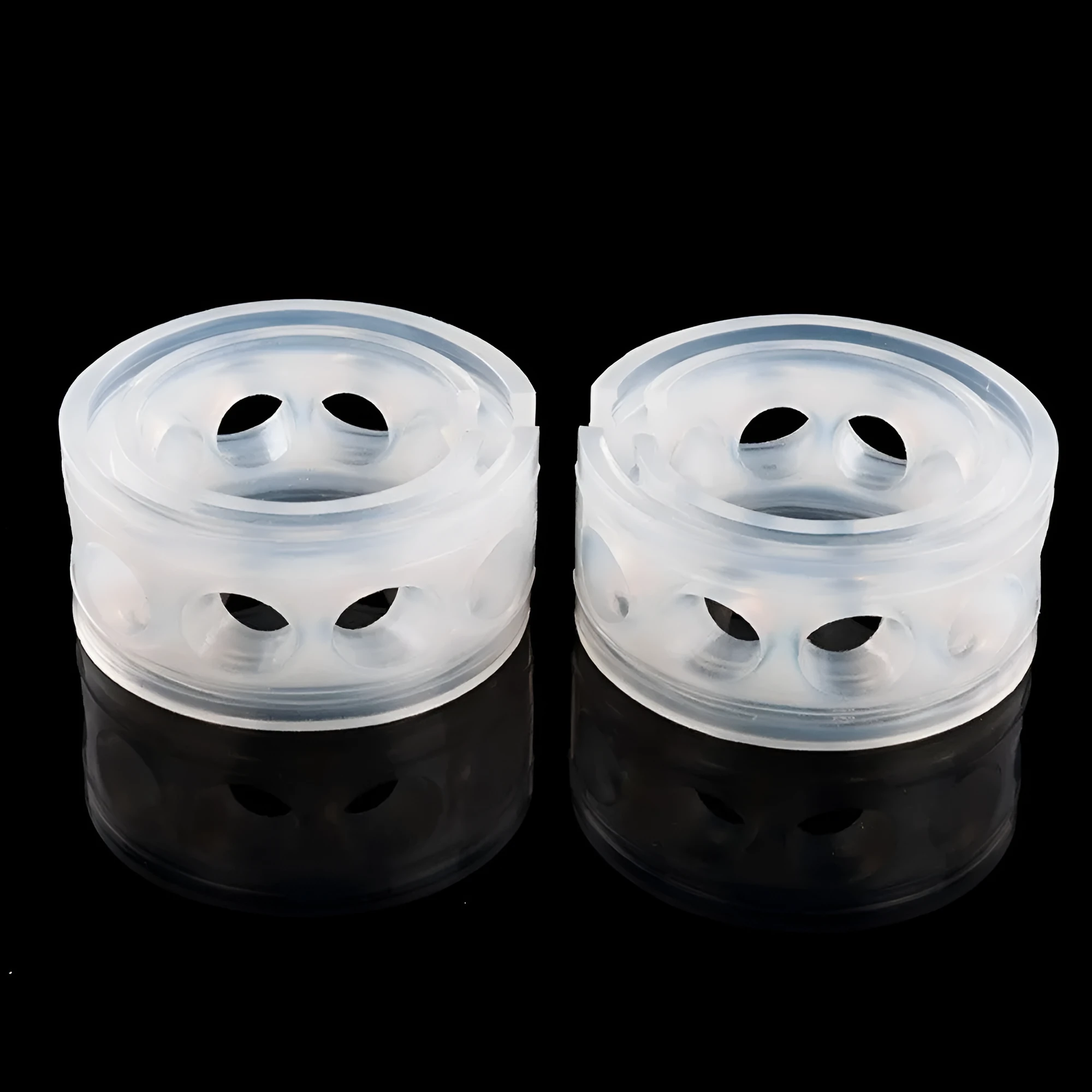
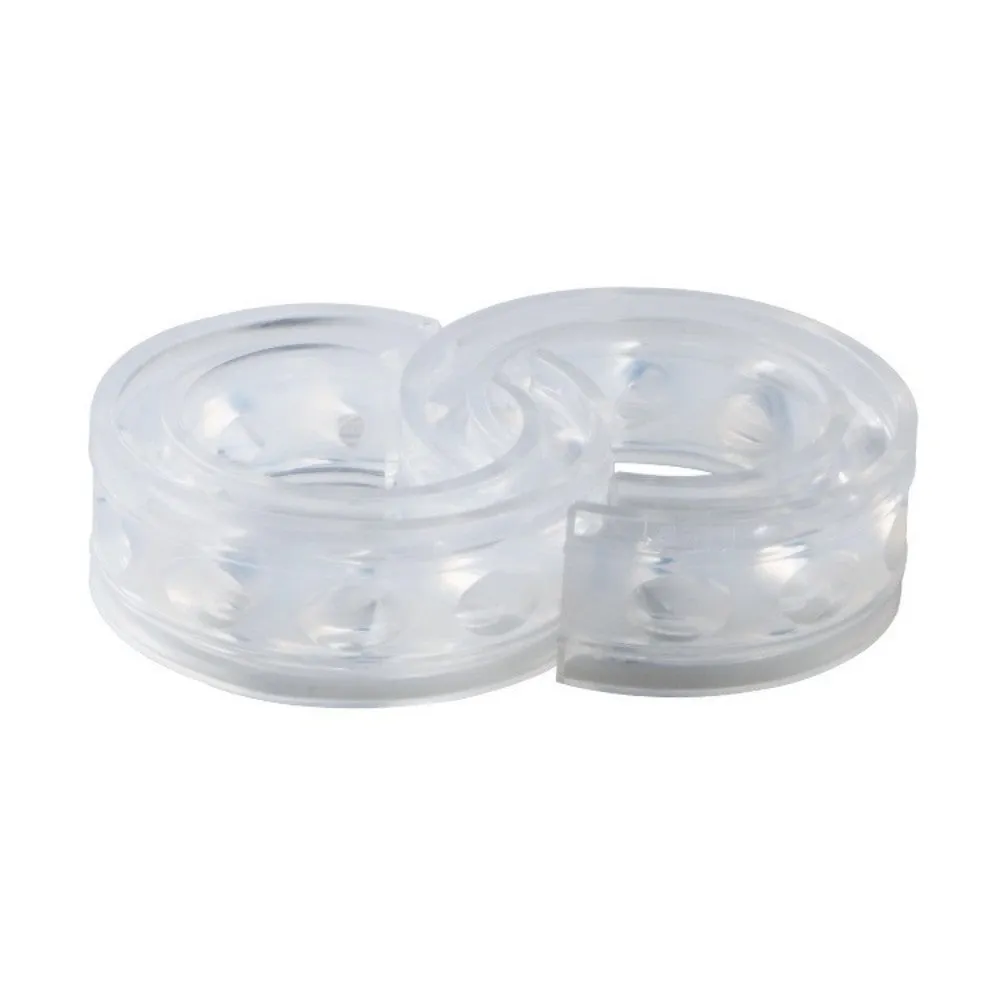
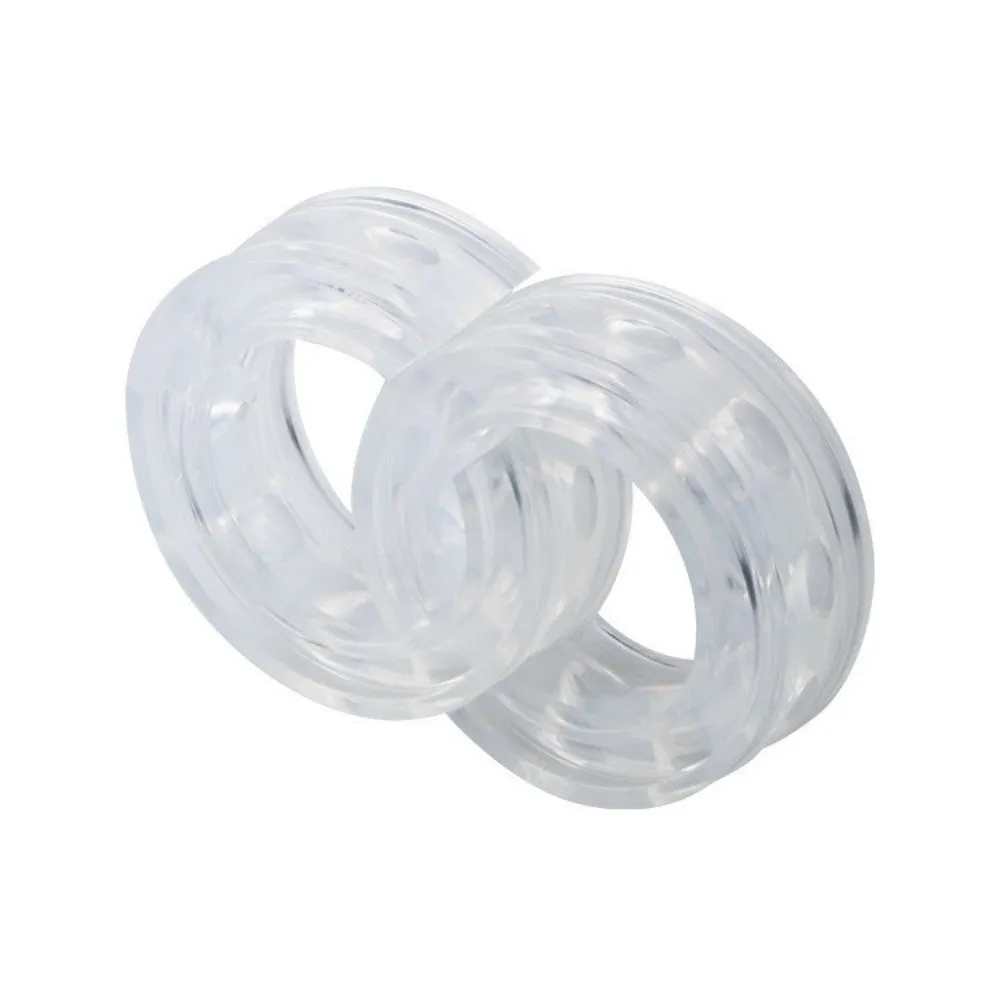
These transparent rubber buffers are designed for car owners looking to add an extra layer of protection to their vehicle's suspension system. They act as dampers between the coils of a spring, aiming to absorb shocks and vibrations that occur during driving. This can lead to a reduction in noise and harshness transmitted from the suspension to the chassis. The product is sold in sets of two, allowing for installation on a pair of springs, such as those found on a vehicle's front or rear axle. With six different size variants available, there is likely a fit for a range of common spring dimensions.
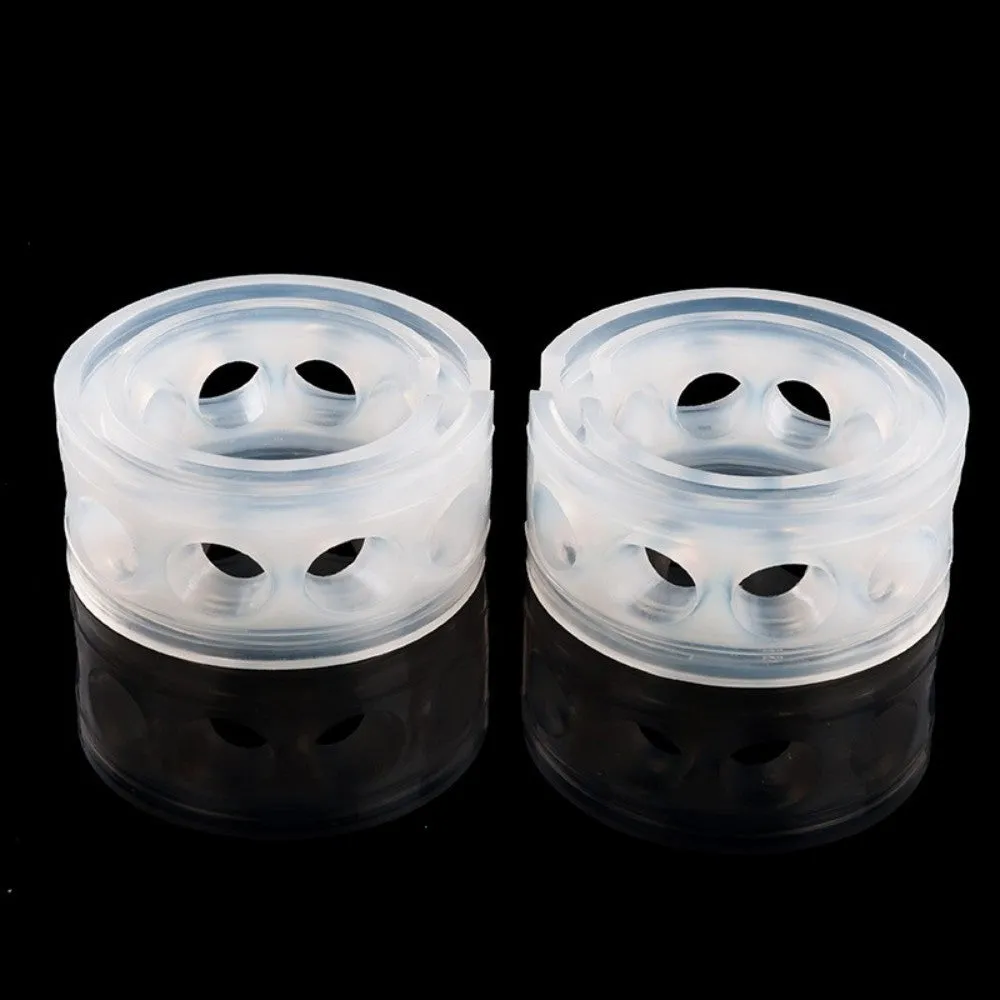
This product focuses on a single, practical construction principle: using rubber to dampen spring oscillations. The available data is centred on the precise physical dimensions and weight of each variant.
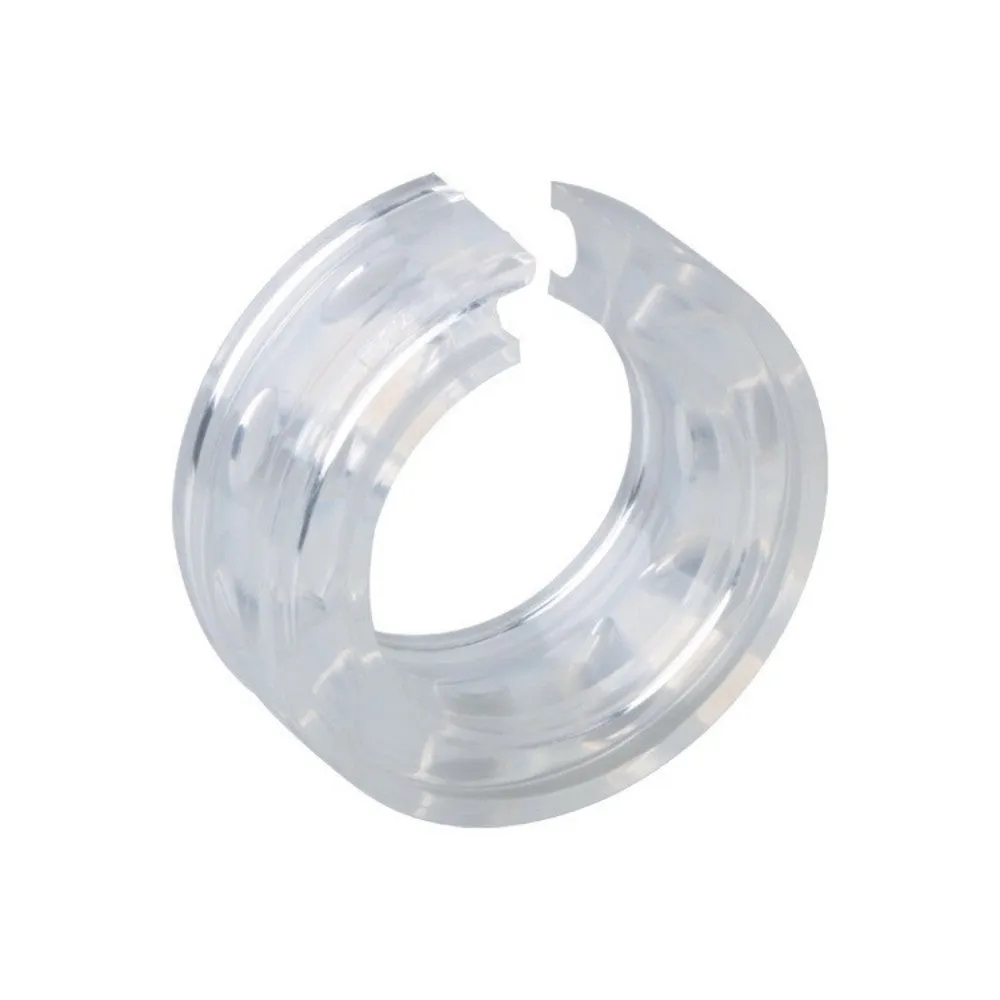
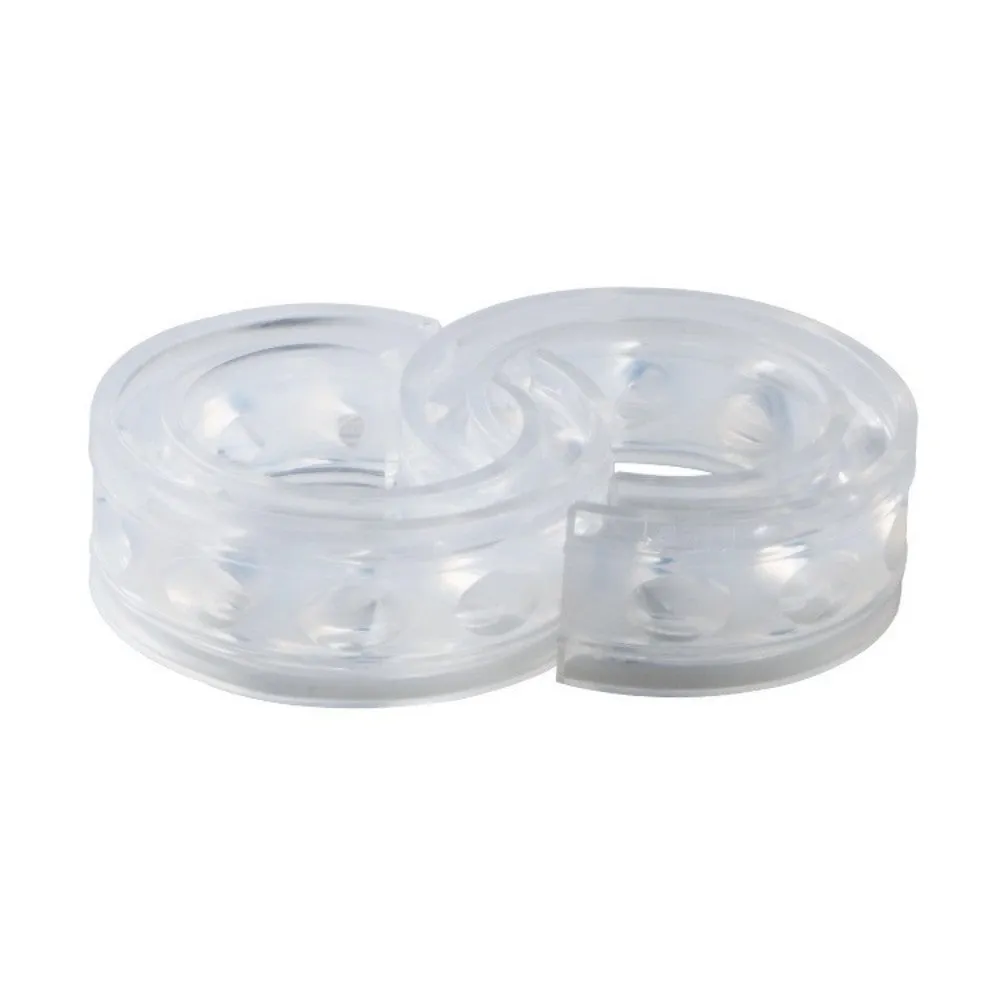
The buffers are constructed from transparent rubber. Rubber is a common material for damping applications due to its elasticity and ability to absorb kinetic energy. The transparency is a visual characteristic and does not imply a specific performance grade beyond the material's inherent damping properties. The build is a single-piece moulding designed to fit within the gap of a coil spring.
Accurate sizing is critical for these buffers to function correctly. The product is categorised into six types (A through F), each with a unique combination of dimensions. The key measurement is the spring gap, which ranges from a compact 12mm (Type F) to a wide 47mm (Type A). The spring thickness (coil wire diameter) the buffer accommodates is either 9mm, 10mm, 13mm, or 15mm. The inner diameter the buffer fits around varies from 112mm to 173mm. The weight of each buffer also differs, from 223g for Type F to 985g for Type A, which may be a consideration for unsprung mass.
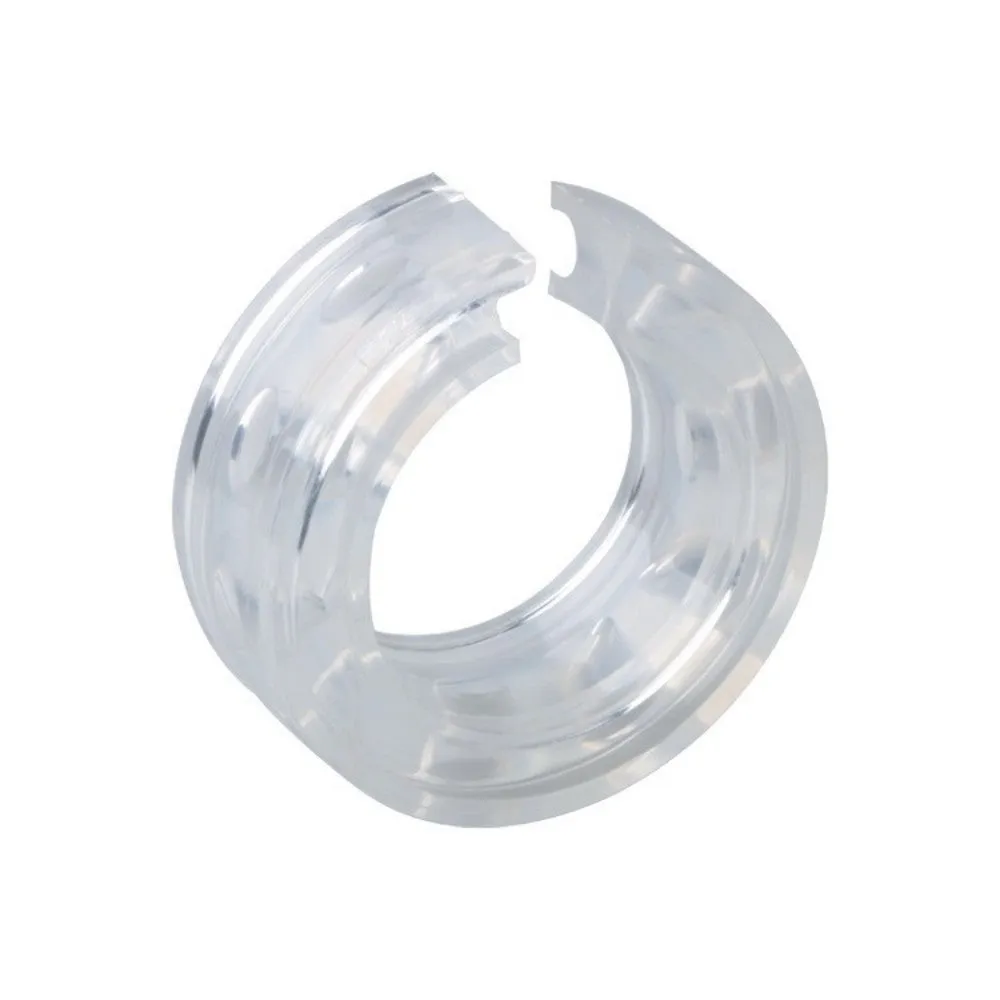
These buffers have a defined, mechanical application within vehicle suspension systems. Their use is tied directly to their physical specifications.
In a professional or enthusiast modification context, these buffers could be used to fine-tune the damping characteristics of a coilover or lowering spring setup. They might be employed to prevent spring coil binding (where coils touch under full compression) in performance applications, provided the correct size is selected to match the spring's free length and coil spacing. Their primary role remains mechanical isolation.
For the everyday driver, the proposed benefit is a reduction in suspension noise and a potential smoothing of small, high-frequency vibrations. The installation is a mechanical process that involves compressing the spring to insert the buffer into the gap. It is a modification aimed at improving perceived ride quality and possibly protecting the spring from wear caused by coil contact.
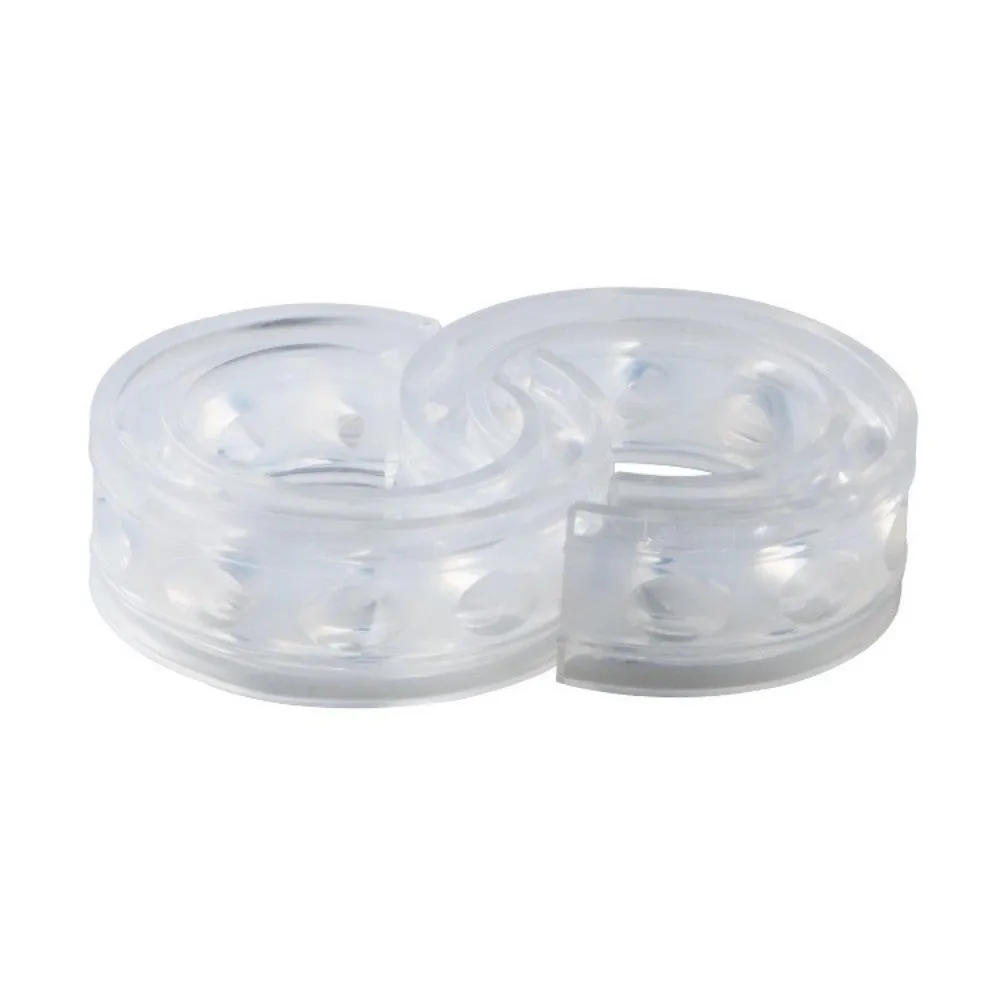
The value proposition of this product is based on its specific function and the concrete options provided.
As a rubber component installed within a suspension, maintenance is minimal. The product is not described as having a specific lifespan or requiring servicing. Its value in reuse is tied to its durability as a rubber part, which can generally withstand repeated compression and exposure to the undercarriage environment. It is a set-and-forget modification for as long as the material remains sound.
This product offers a specific solution: vibration damping for coil springs via a rubber buffer. The key differentiator is the availability of six precisely measured sizes, allowing users to match their spring's specifications closely. The inclusion of two pieces per set provides what is needed for a symmetrical axle installation. The choice is based on matching the numerical dimensions of your vehicle's springs to one of the six provided types.