Car Heater with Four Small Copper Pipes: Efficient 60W Heating Using Engine Waste Heat, Manual Control, and 12V/24V Compatibility for Vehicle Cabins
£119.98
Car Heater with Four Copper Pipes: 60W Heating Using Engine Waste Heat for Vehicle Cabins
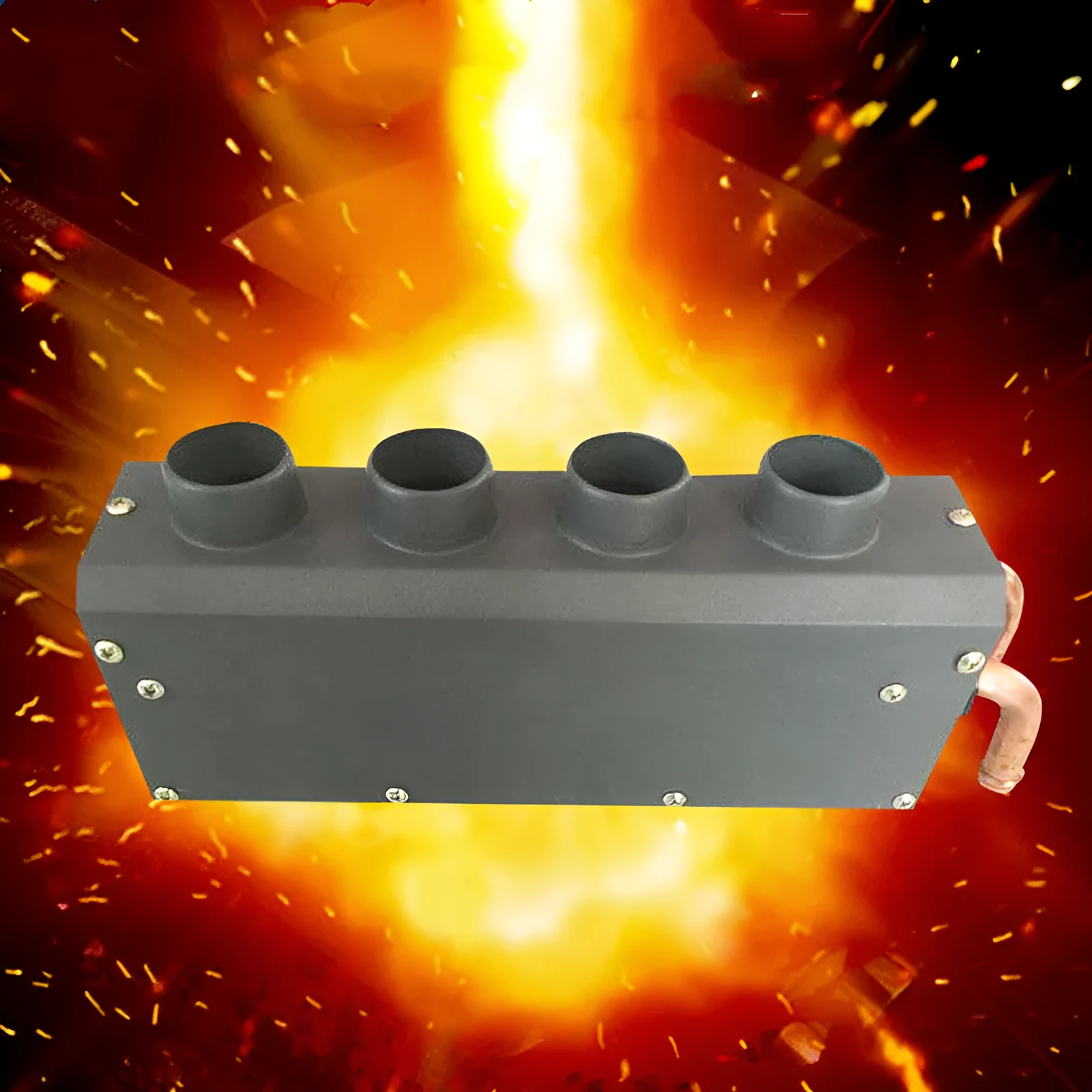
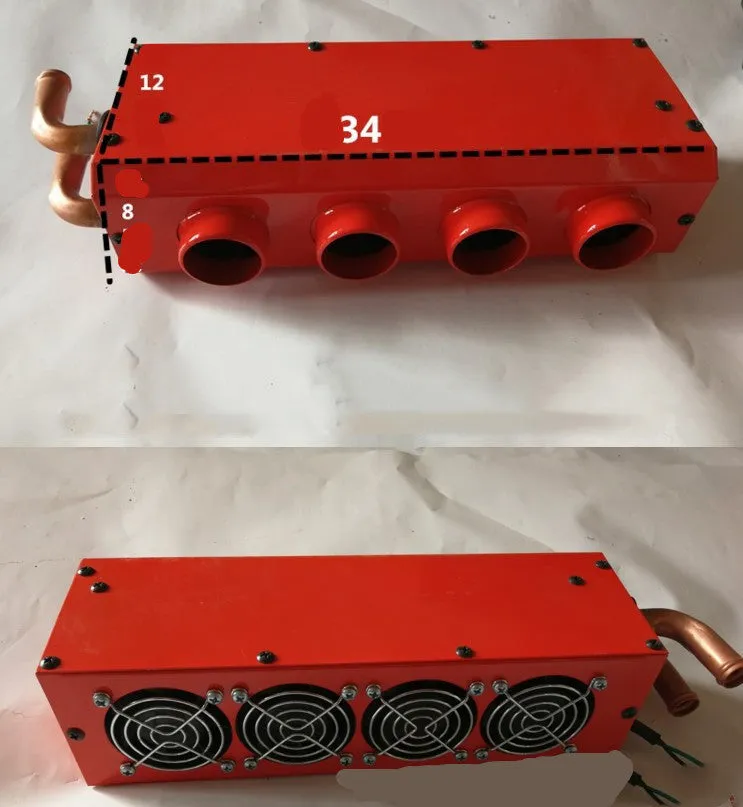
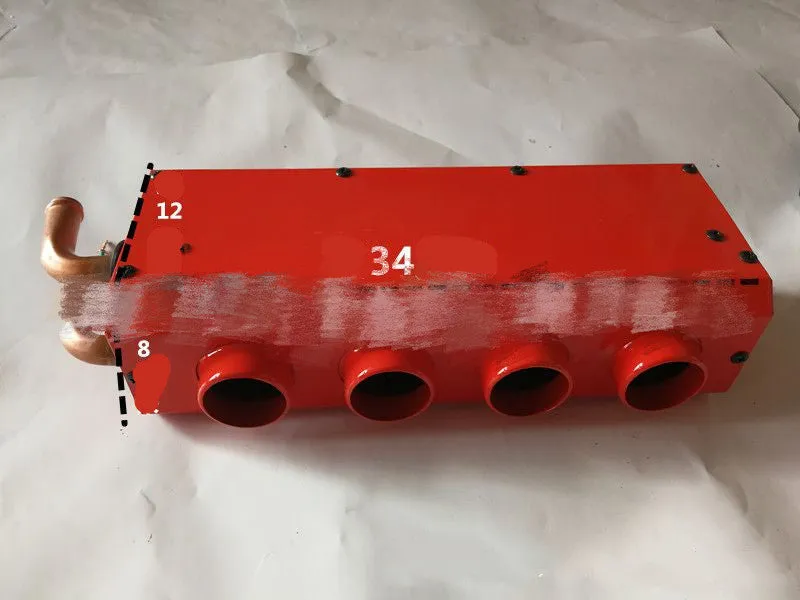
This car heater efficiently warms your vehicle's cabin by harnessing the engine's waste heat through a continuous small cooling water cycle, ensuring consistent warmth whenever the engine is running. With a 60W power rating, manual adjustment control, and compatibility with both 12V and 24V systems, it provides reliable heating that also helps defrost the windshield. The metal construction and four small copper pipes are designed for durability and effective heat transfer in automotive environments.
Features and Build Quality
This section details the specific components and construction that enable the heater's performance, from its copper pipe heat exchange to its electrical specifications.
Copper Pipe Heat Transfer Design
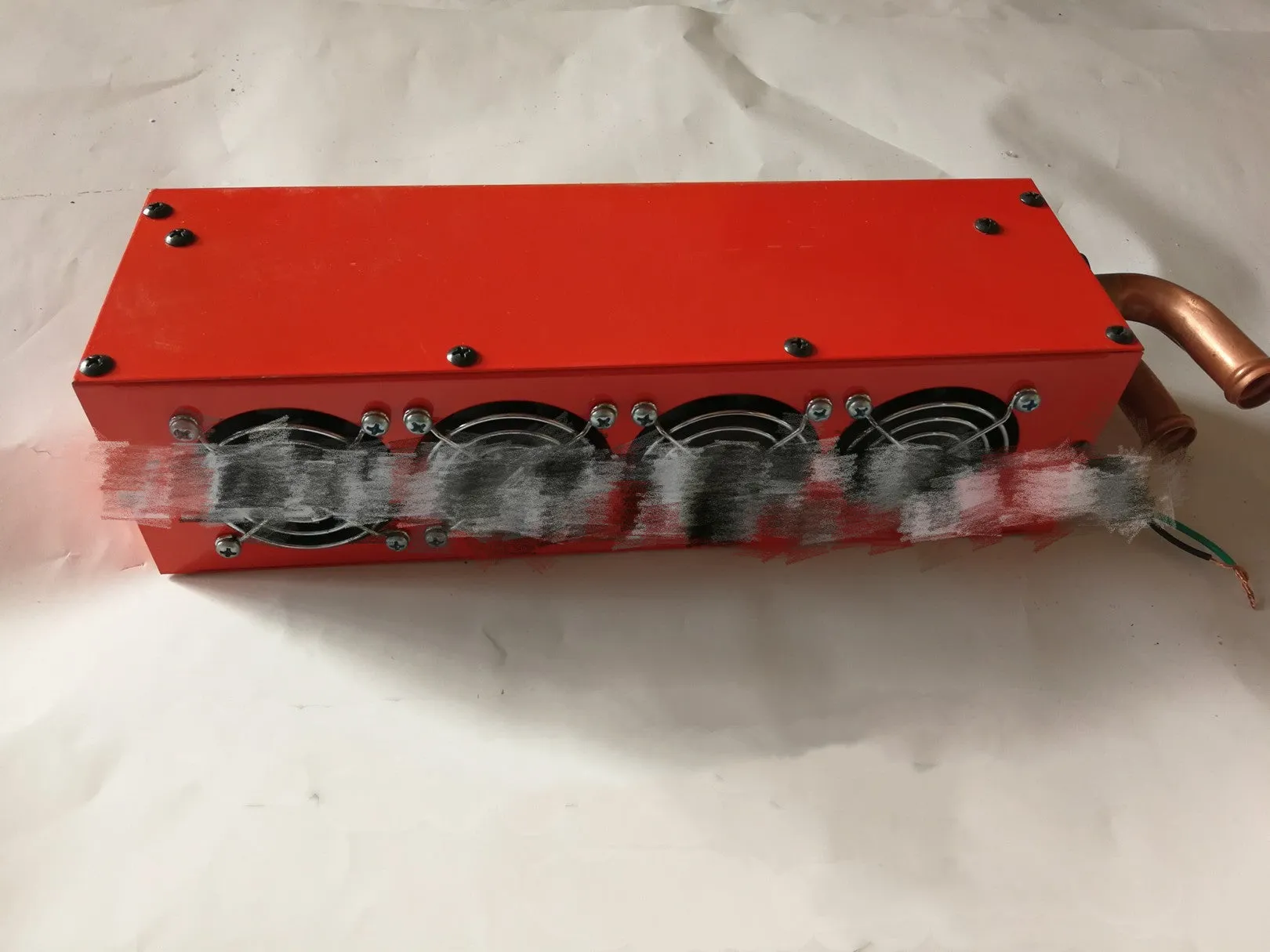
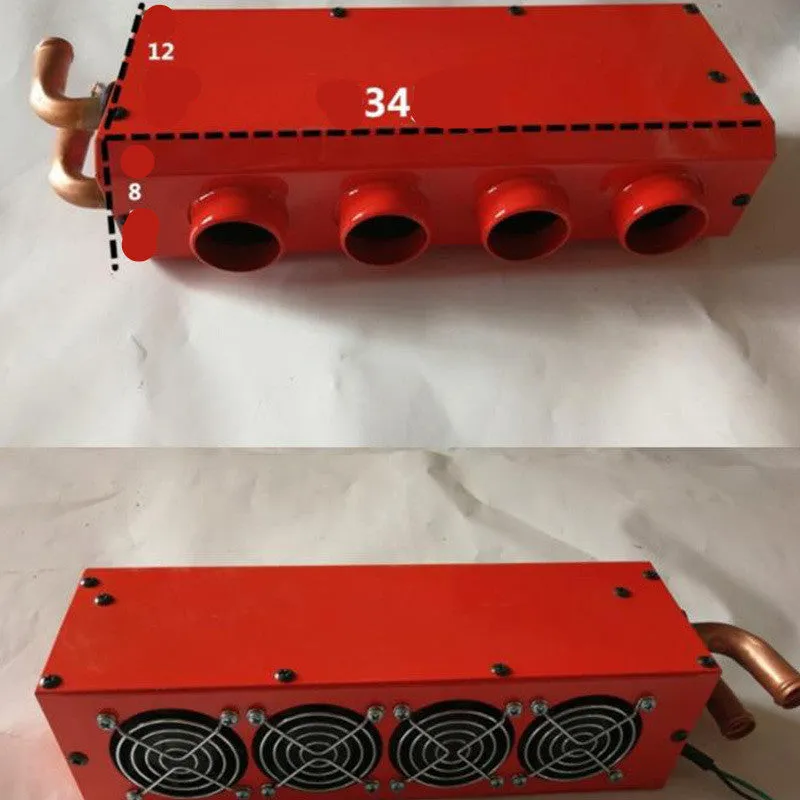
The heater incorporates four small copper pipes that efficiently transfer heat from the engine's cooling water to the heater radiator. Copper's high thermal conductivity ensures rapid heat exchange, while the absence of a thermostat in the radiator allows the heat source to remain uninterrupted. This design leverages the existing engine waste heat, making it an energy-efficient solution for cabin warming.
Electrical and Performance Specifications
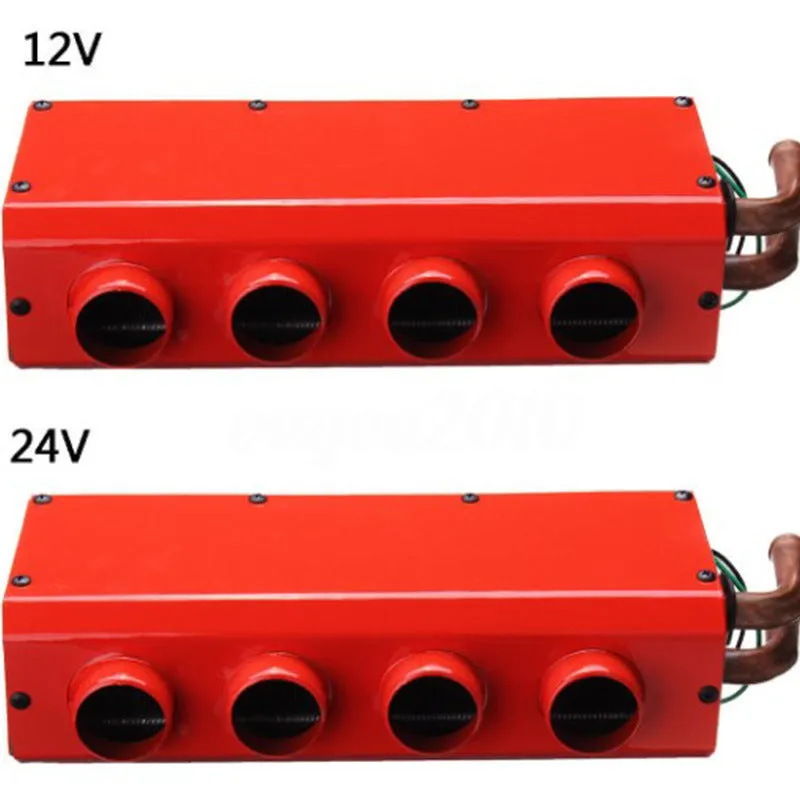
Operating at 60W with a 5A current draw, the heater is compatible with both 12V and 24V vehicle electrical systems. The DC motor drives the blower to deliver hot air into the cabin, with manual control allowing users to adjust the heating output. These specifications ensure the heater provides sufficient warmth without overloading the vehicle's electrical system.
Metal Construction and Durability
Applications and Usage Scenarios
This heater is suited for various vehicles and conditions where reliable cabin heating is needed, from daily commutes to professional use.
Professional Vehicle Installation
For professional installers, the heater requires connecting two water pipe joints (inlet and outlet) to the engine by cutting existing hoses and adding three-way lead-out rubber pipes. Proper installation includes filling with anti-freeze liquid, removing air from the system, and securely connecting the power wires to avoid operational issues, making it ideal for workshops and automotive technicians.
Everyday Driving in Cold Weather
Versatile Vehicle CompatibilityBenefits and Value Proposition
The heater offers tangible advantages in terms of efficiency, user satisfaction, and long-term value for vehicle owners.
Energy Efficiency and Cost Savings
Reliability and User SatisfactionPractical Installation and Performance</h3
Choosing this heater provides measurable benefits through its efficient heat transfer and robust build. The specific installation steps, while requiring care, ensure optimal performance, with the dual voltage support making it a versatile choice. Its focus on using existing engine resources makes it a sensible addition for improved cabin comfort.