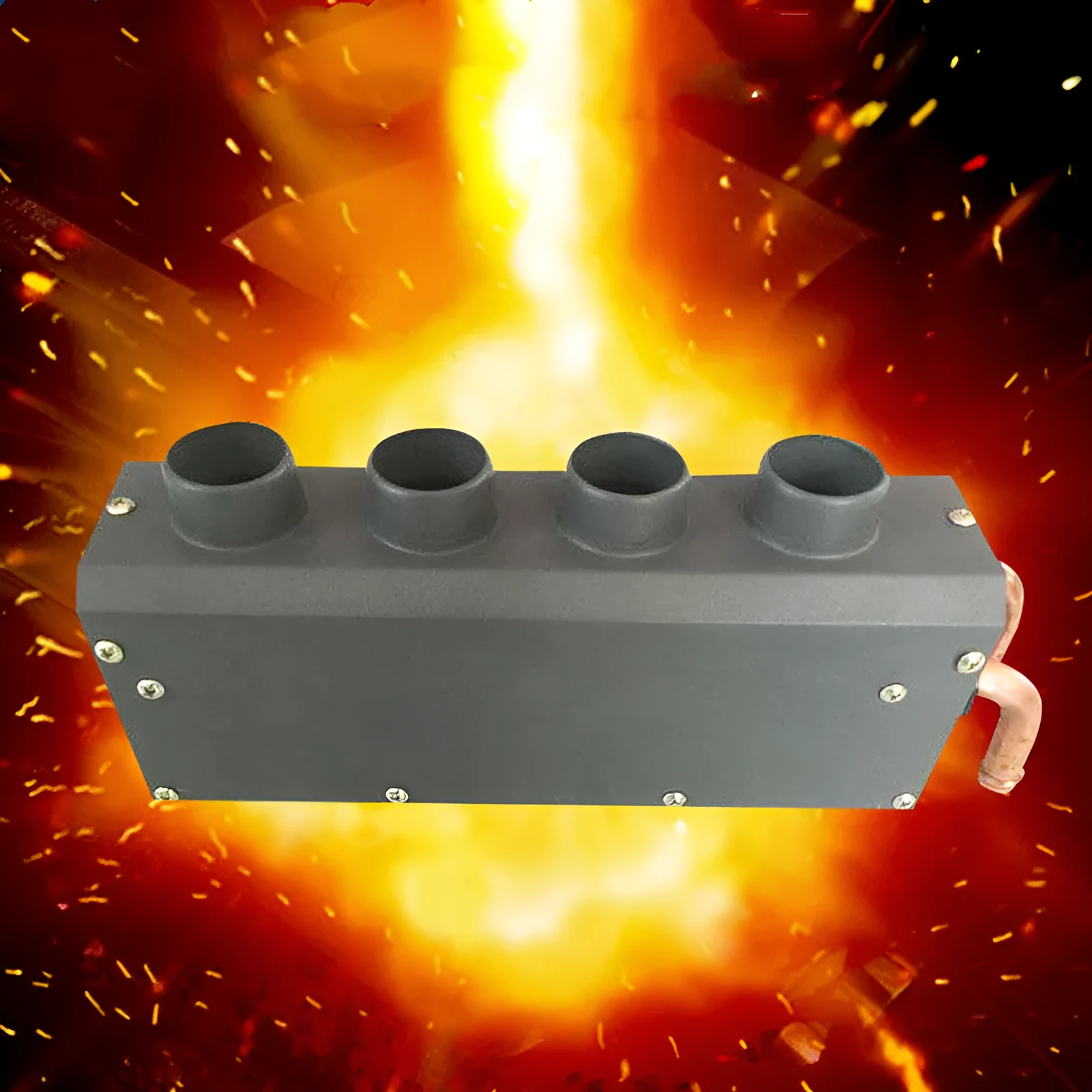
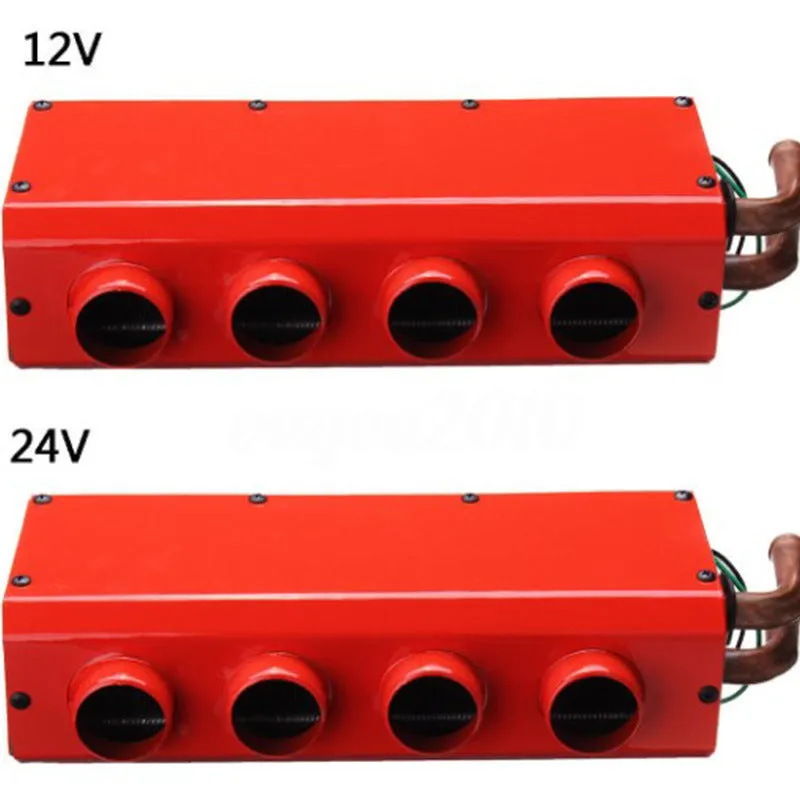
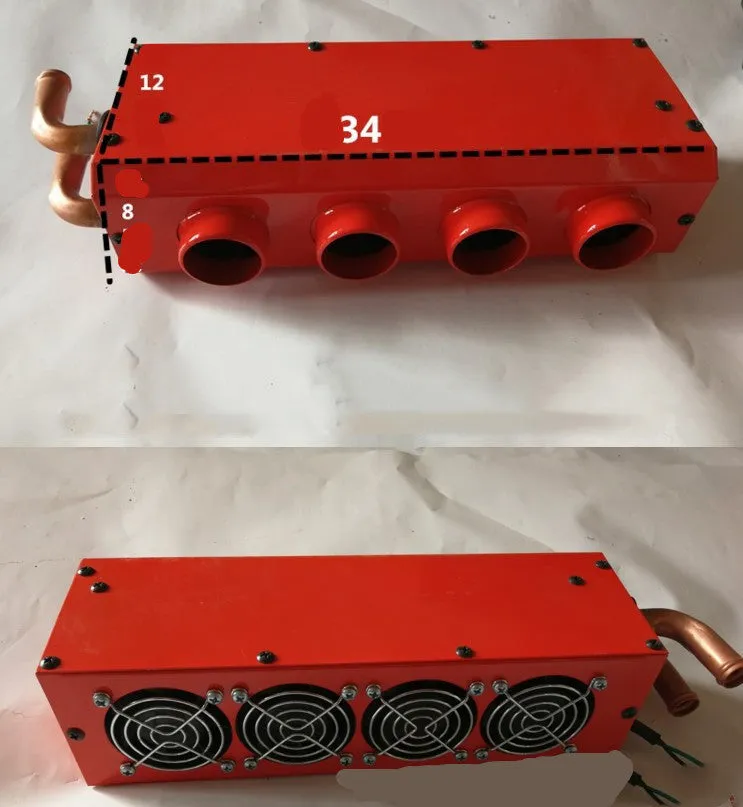
Car heater with four-hole copper pipe for engine waste heat recovery, providing 60W heating power at 12V or 24V to defrost windshields and warm vehicle cabins efficiently.
Car heater with four-hole copper pipe for engine waste heat recovery, providing 60W heating power at 12V or 24V to defrost windshields and warm vehicle cabins efficiently.
£119.98
Car Heater with Four-Hole Copper Pipe for Engine Waste Heat Recovery and Cabin Warming
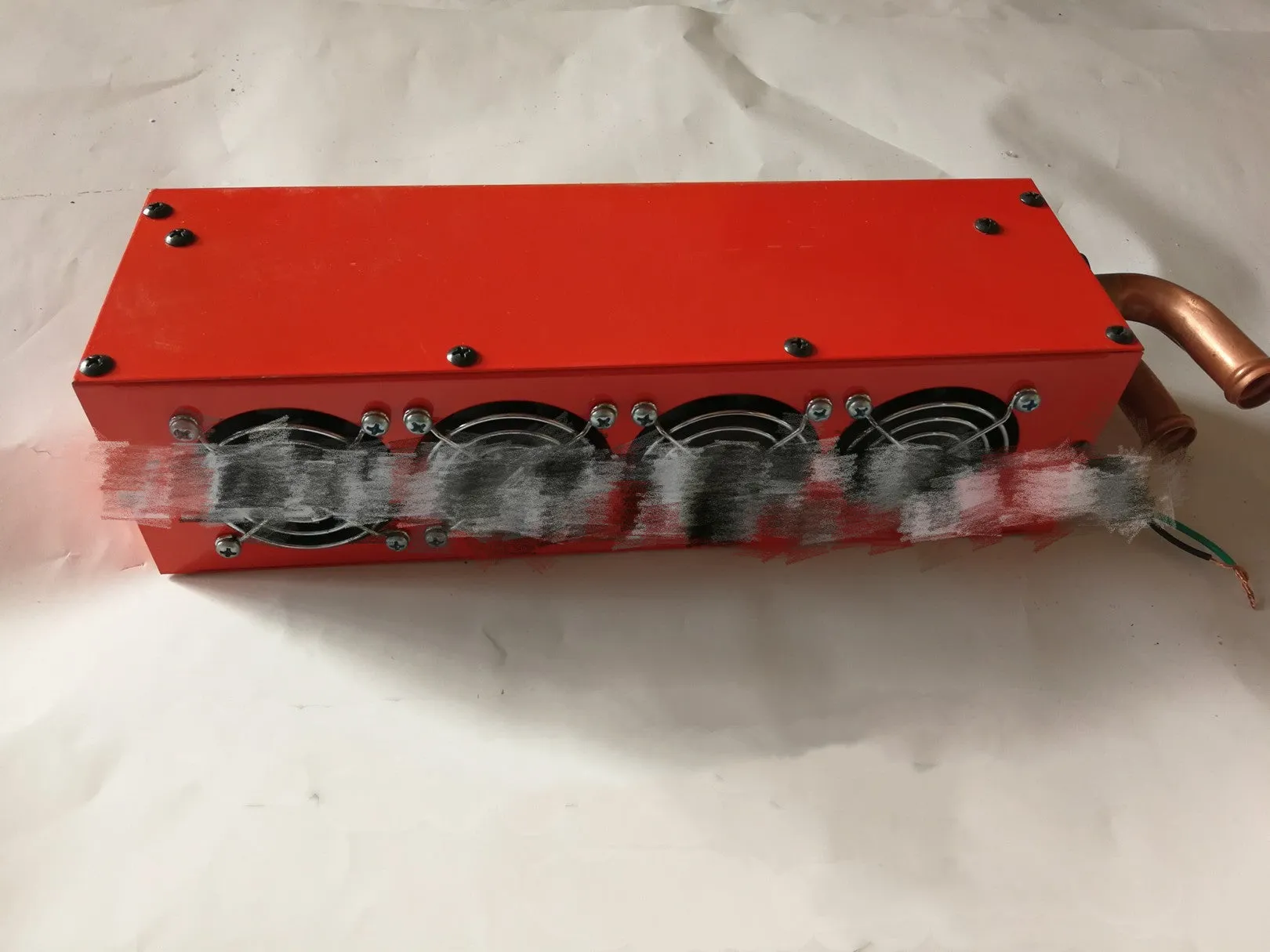
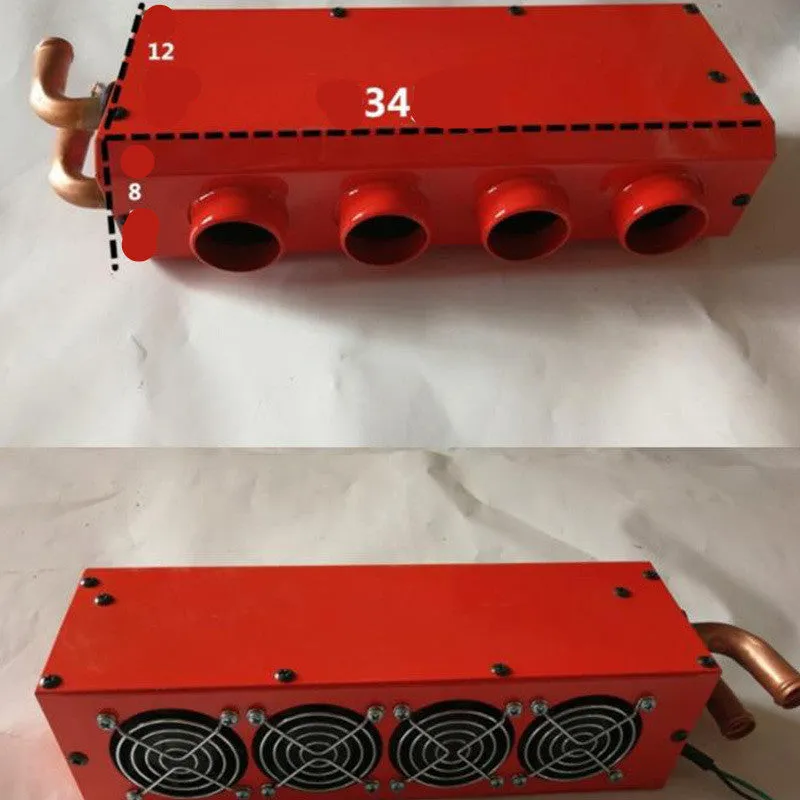
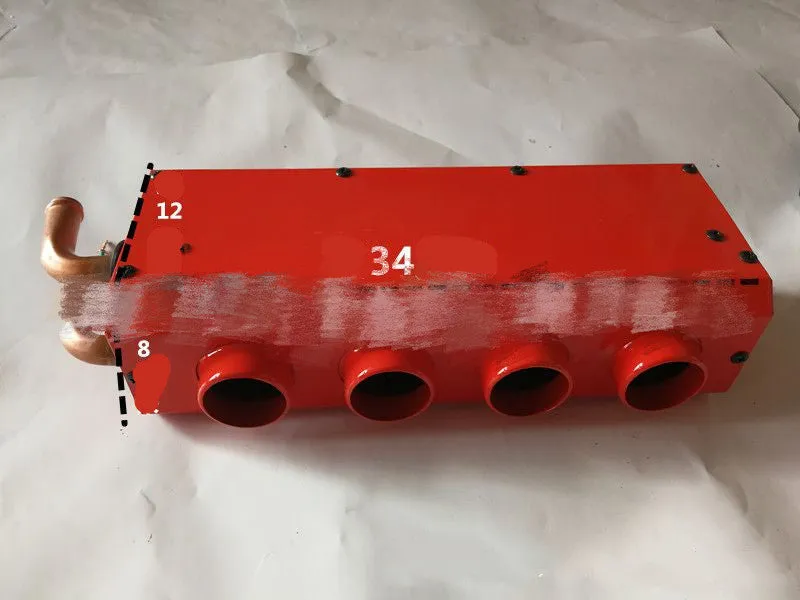
This automotive heating system transforms engine waste heat into usable cabin warmth through a precisely engineered 34cm x 12cm x 8cm metal unit. Operating at 60W with manual adjustment controls, it provides continuous heating whenever the engine runs, eliminating the need for separate fuel sources. The four-hole copper pipe design maximises thermal transfer efficiency from engine coolant, while the DC motor-driven blower distributes heated air throughout the vehicle interior. Proper installation requires connecting to the engine cooling circuit via two water pipe joints with three-way lead-out rubber pipes.
Technical Specifications and Construction Details
This heating system incorporates specific engineering solutions for automotive climate control, combining thermal efficiency with practical installation requirements for various vehicle types.
Copper Pipe Heat Exchange Design
The four-hole copper pipe configuration measures precisely to optimise surface area for heat transfer from engine coolant. This construction maintains continuous thermal exchange through the engine's cooling system small cycle, ensuring consistent heat availability whenever the engine operates. The copper material selection provides superior thermal conductivity compared to alternative metals, while the specific pipe arrangement prevents heat loss during transfer from engine to cabin.
Electrical and Thermal Performance Data
Operating at 60W power consumption with 5A current draw, this heater functions on both 12V and 24V automotive electrical systems common in commercial and passenger vehicles. The manual adjustment control allows drivers to regulate airflow temperature according to seasonal requirements and personal comfort preferences. Thermal output remains consistent due to the continuous circulation of engine coolant at operating temperature, providing reliable heating without fuel consumption beyond normal engine operation.
Professional Installation Requirements
Installation necessitates cutting existing engine cooling pipes and adding three-way lead-out rubber pipes to integrate the heater into the vehicle's thermal management system. Proper connection requires filling with appropriate anti-freeze liquid and completely removing air from the system to prevent airlocks that could impair heating performance. Electrical connections must match the vehicle's voltage specification with correct polarity to ensure the DC motor operates at designed efficiency.
Practical Applications and Usage Scenarios
This heating system serves multiple purposes in automotive climate management, from basic comfort to essential safety functions in various driving conditions and vehicle types.
Commercial Vehicle Climate Control
Delivery vans, utility vehicles, and small commercial transports benefit from consistent cabin heating during winter operations. The system's continuous operation while the engine runs ensures driver comfort during extended idling periods or frequent stop-start routes. Professional installation ensures compatibility with various engine configurations, while the manual adjustment allows drivers to maintain optimal working temperatures regardless of external conditions.
Passenger Vehicle Winter Comfort
Family cars and personal vehicles experience faster cabin warming through direct heat transfer from engine coolant, reducing the time needed to reach comfortable interior temperatures. The physical sensation of immediate warmth from the blower system, combined with the gradual heating of interior surfaces, creates a comprehensive warming effect. This dual approach addresses both air temperature and radiant heat transfer for improved passenger comfort during cold weather journeys.
Multi-Function Climate Management
Beyond basic heating, this system provides windshield defrosting capability through directed airflow, addressing visibility safety concerns in freezing conditions. The same thermal source serves both cabin comfort and essential safety functions without additional energy consumption. Vehicle owners can utilise the heating during transitional seasons for mild climate control, extending the system's usefulness beyond peak winter months.
Performance Benefits and Value Considerations
This heating solution offers specific advantages in efficiency, reliability, and long-term operation compared to alternative automotive heating methods and aftermarket solutions.
Energy Efficiency and Operating Economy
By utilising existing engine waste heat, this system provides cabin warming without additional fuel consumption beyond normal engine operation. The 60W electrical draw represents minimal impact on vehicle electrical systems compared to resistive heating elements requiring substantially more power. Long-term operation costs remain negligible since the heat source derives from engine efficiency losses that would otherwise dissipate through the radiator system.
Reliability and User Satisfaction
Practical Installation Decision FactorsChoosing this heating system involves considering the professional installation requirement against the long-term benefits of reliable, fuel-free cabin heating. The initial investment covers both the unit cost and installation labour, balanced against years of consistent performance without ongoing fuel expenses. Vehicle owners should evaluate their specific winter driving needs against the system's capabilities for cabin warming and windshield defrosting in their typical operating conditions.