


Stay Inspired
Subscribe for exclusive tips and storage ideas to elevate your kitchen.


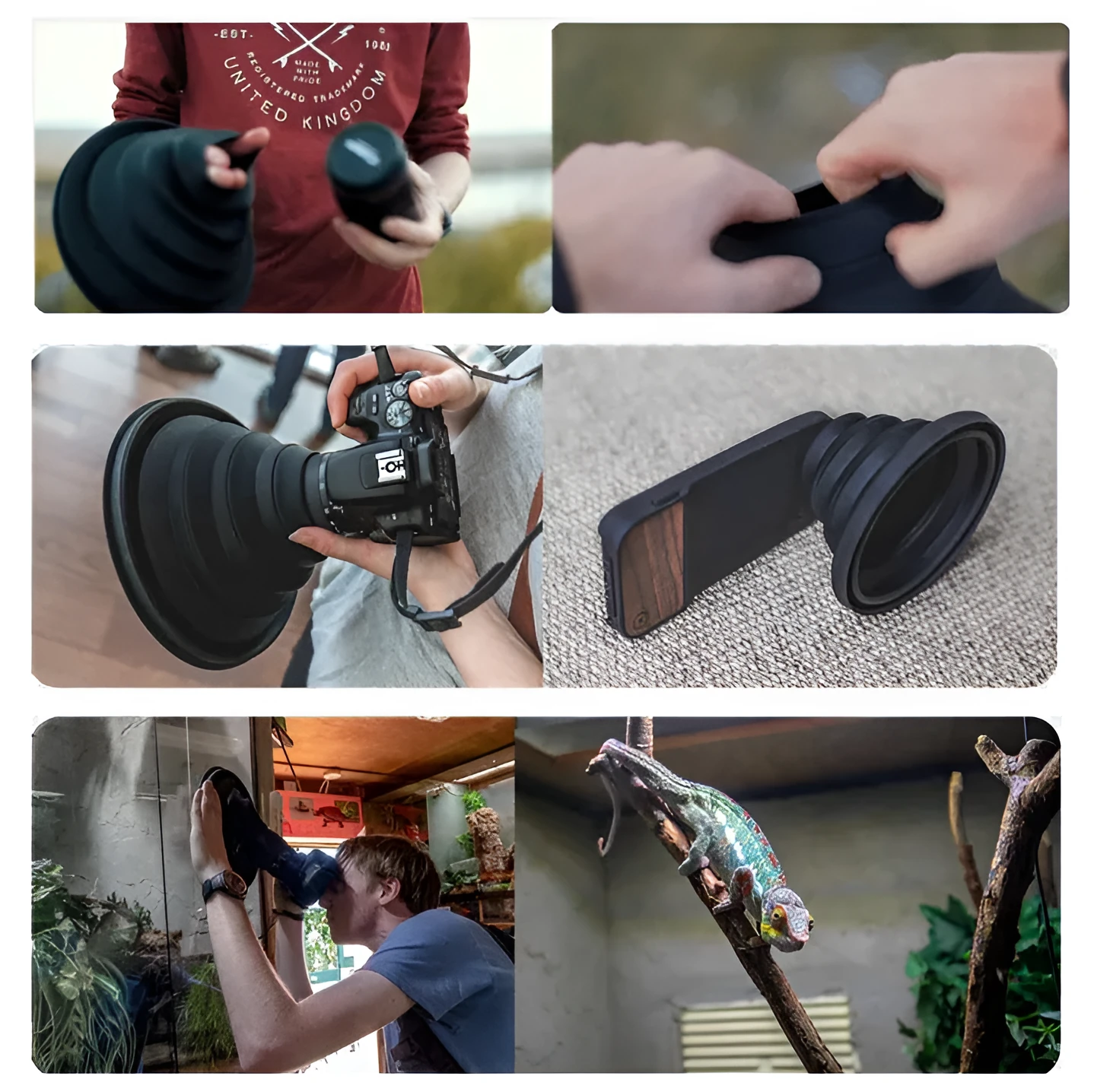
Photographers often encounter distracting glare and reflections when attempting to capture images through windows or glass surfaces. This black, conical lens hood provides a practical solution. Constructed from a single piece of elastic silicone, it is designed to be stretched over the end of an SLR camera lens. Its primary function is to block unwanted ambient light that reflects off the glass, helping to produce clearer, more defined photographs. Available in two specific sizes, it caters to different equipment, from standard SLR lenses to smaller devices.
The lens hood's design centres on simplicity and material choice to achieve its purpose. It lacks complex mechanisms, relying instead on the properties of its build and its specific dimensions to function effectively for photographers.
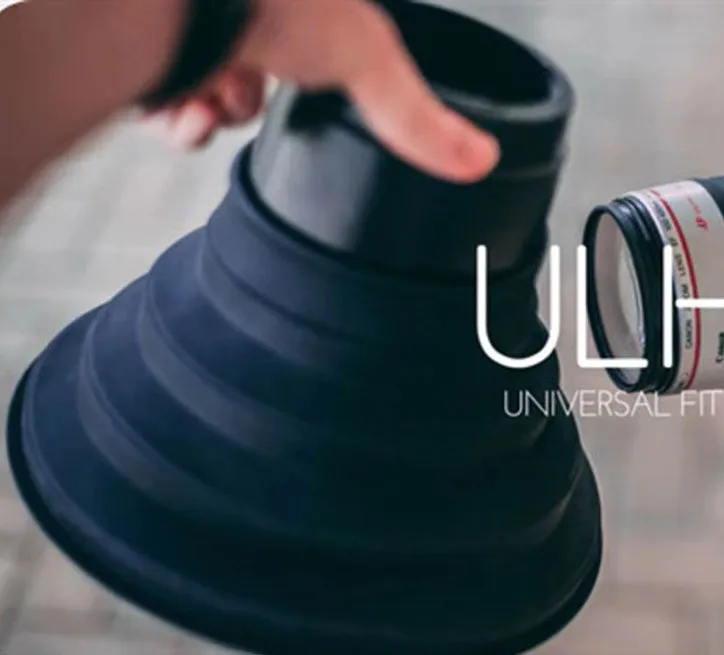
The hood is made entirely from silicone, chosen for its elasticity. This property is key to its function, allowing the single-piece unit to be fitted onto a range of lens diameters without requiring adjustments or adapters. The material is also inherently lightweight, contributing to the low overall weight of the accessory. The conical shape is a traditional design for lens hoods, optimised to shield the lens from light entering at wide angles without vignetting.
The product is offered in two defined sizes to match different equipment. The large size is intended for standard SLR camera lenses with a diameter greater than 60mm. Its dimensions are 19cm across the outer edge and 6cm at the inner opening where it meets the lens, with a weight of 110g. The small, or 'mini', size is designed for lenses with a diameter smaller than 60mm. This smaller version has a 13cm outer diameter and a 3cm inner diameter, weighing 50g, making it a viable option for use with compatible mobile phone camera attachments.
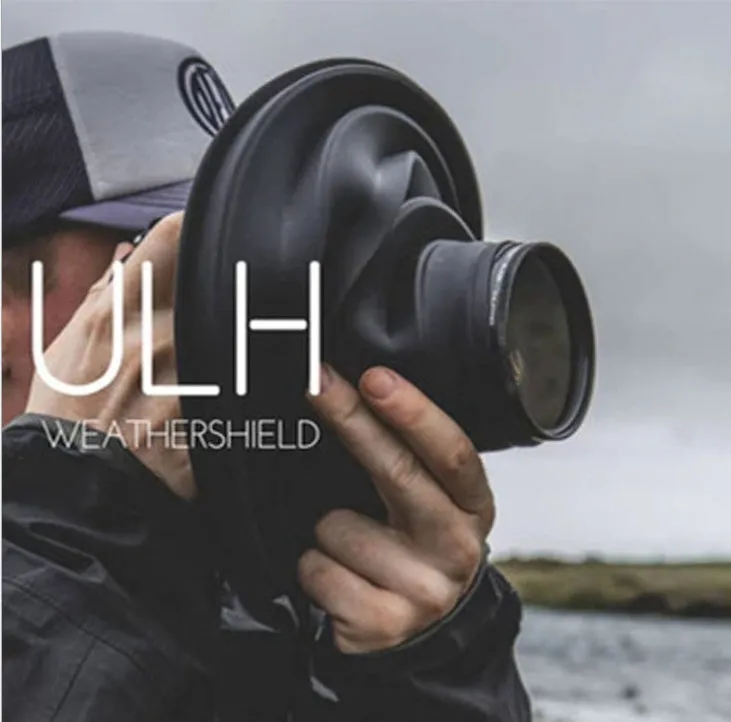
This accessory has a clear, specialised use case but can be applied in various settings where photographers work. Its value lies in solving a specific optical problem rather than being a general-purpose item.
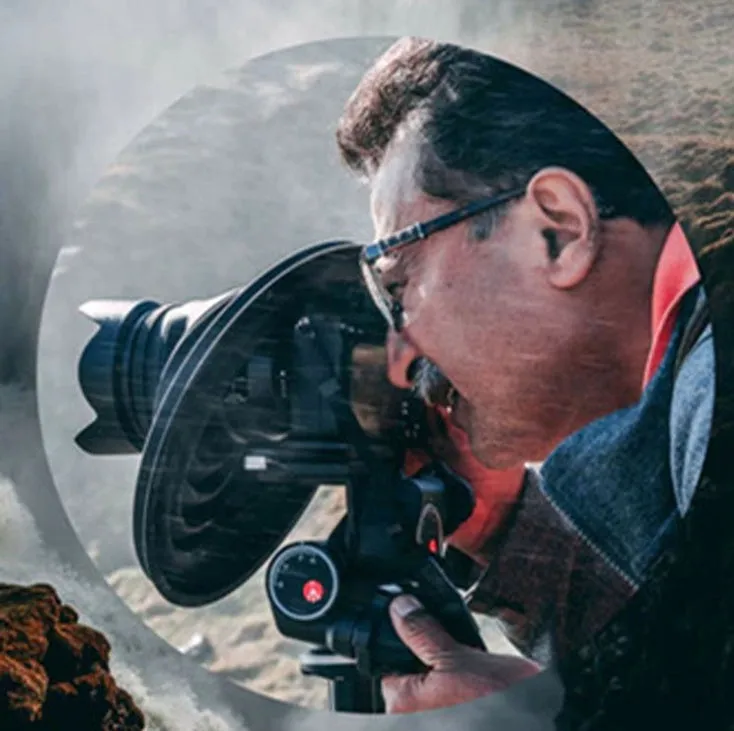
For event, architectural, or journalistic photographers, shooting through windows is a common scenario—whether capturing a venue interior from outside, cityscapes from a high-rise, or candid moments. In these situations, reflections from interior lights or the photographer's own presence can ruin a shot. This lens hood helps mitigate that issue, allowing for more controlled composition when glass is between the camera and the subject. It serves as a simple, packable tool to improve shot consistency on location.
Enthusiasts and hobbyists can also benefit from this hood. Common situations include photographing pets through a patio door, capturing garden wildlife from inside the house, or taking pictures of items in a shop window. The mini size expands its utility further, allowing smartphone photographers to apply the same principle when using auxiliary lenses, making it a versatile accessory for casual shooting where light control is needed.
The value of this product is derived from its targeted function, material durability, and the flexibility offered by the two size options. It represents a focused investment for a specific photographic challenge.
As a solid silicone construct with no moving parts, the lens hood requires virtually no maintenance. It can be wiped clean if dirty and stored without special care. Its elastic nature means it is designed for repeated use on different lenses that meet its diameter criteria, offering good long-term utility from a single purchase. The silicone is also resistant to many common environmental factors like moisture.
This lens hood stands out for its dedicated purpose: combating reflections when shooting through glass. Unlike generic lens hoods that mainly protect the lens and reduce lens flare from direct light sources, this design specifically targets reflected light from a surface in front of the lens. The choice of elastic silicone over rigid plastic or metal makes it uniquely adaptable, removing the need for precise diameter matching or screw-thread compatibility. The availability of two sizes addresses the needs of both traditional SLR users and those with smaller-format equipment.