Stay Inspired
Subscribe for exclusive tips and storage ideas to elevate your kitchen.



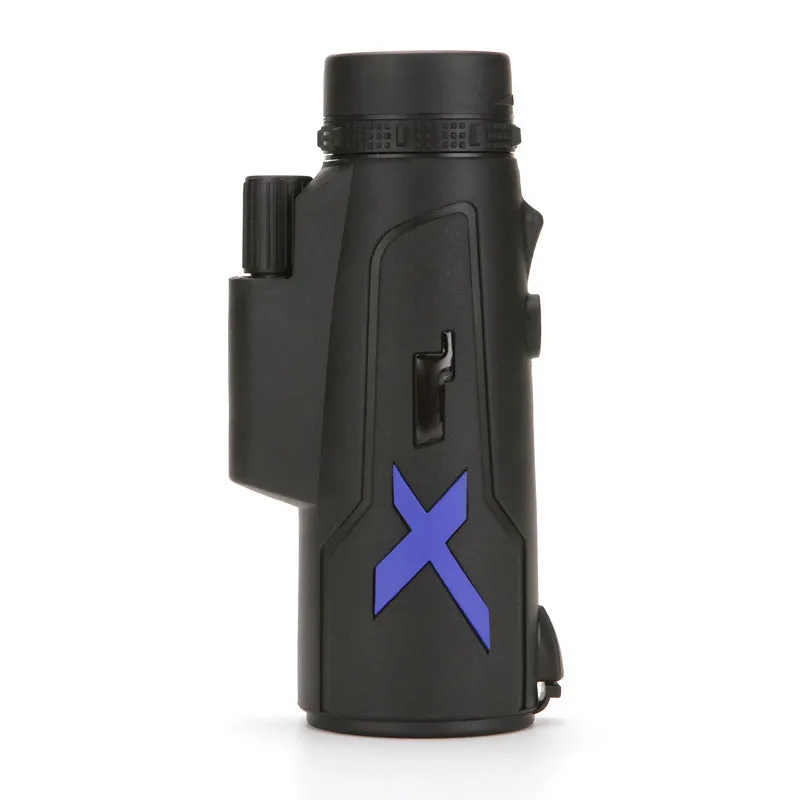
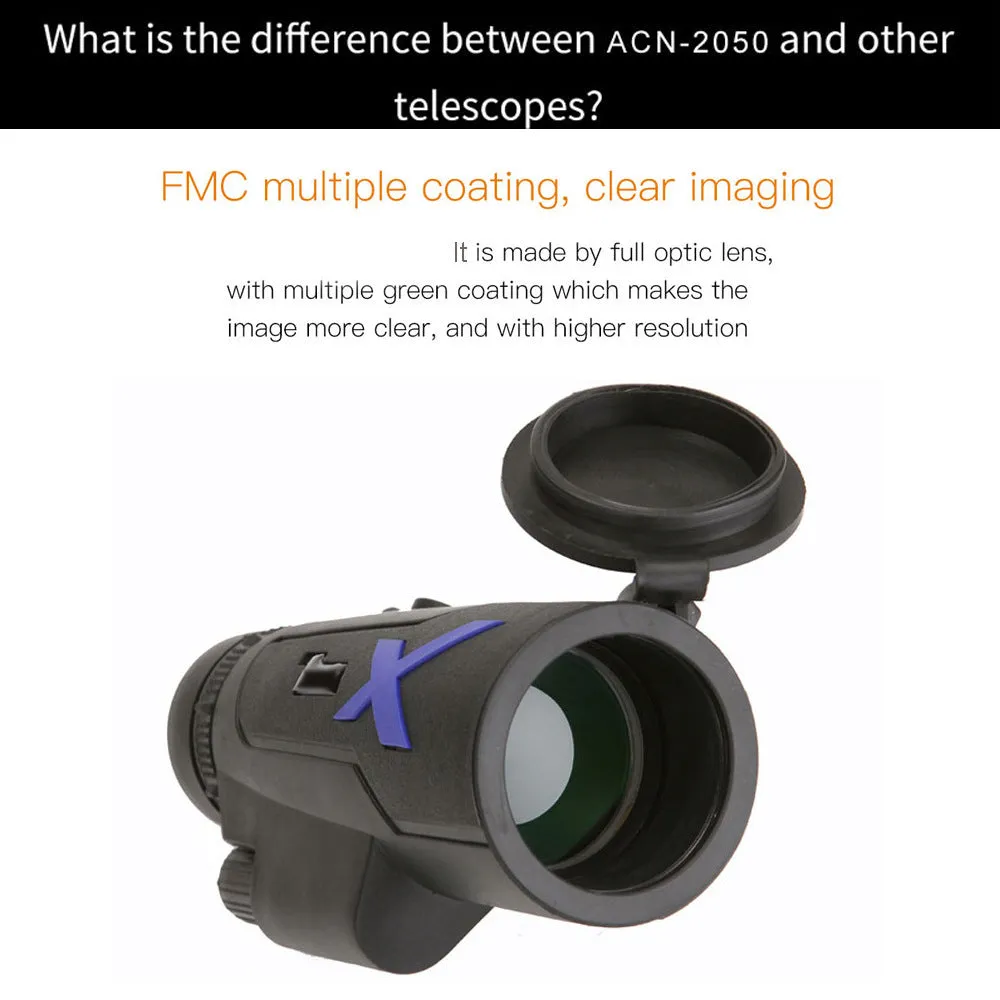
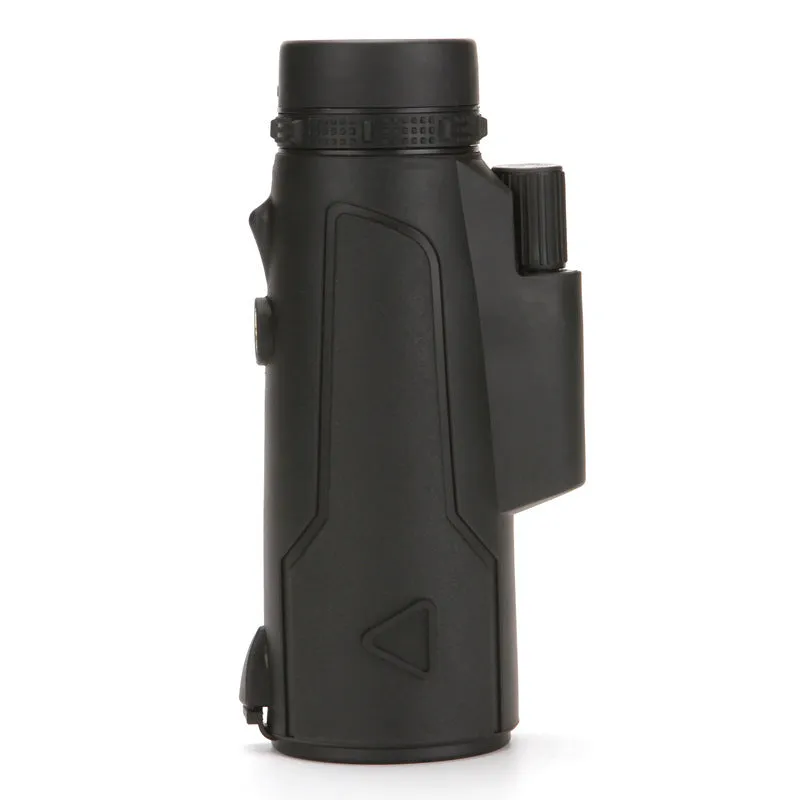
This 20x50 monocular telescope is designed for civilian observers who need a portable, single-lens optical device for general viewing purposes. With a 12x magnification power, it effectively brings distant landscapes, wildlife, and events into clearer view, making it a practical tool for hobbies like bird watching, hunting, and travel sightseeing. The monocular's specifications, including a 4.5mm exit pupil and a 22mm objective lens diameter, are configured to suit daylight and brighter low-light observation. Its stated field of view of 168 metres at a distance of 1000 metres provides a usefully wide perspective for following moving subjects or scanning large areas, which is a key advantage over more narrowly focused instruments.
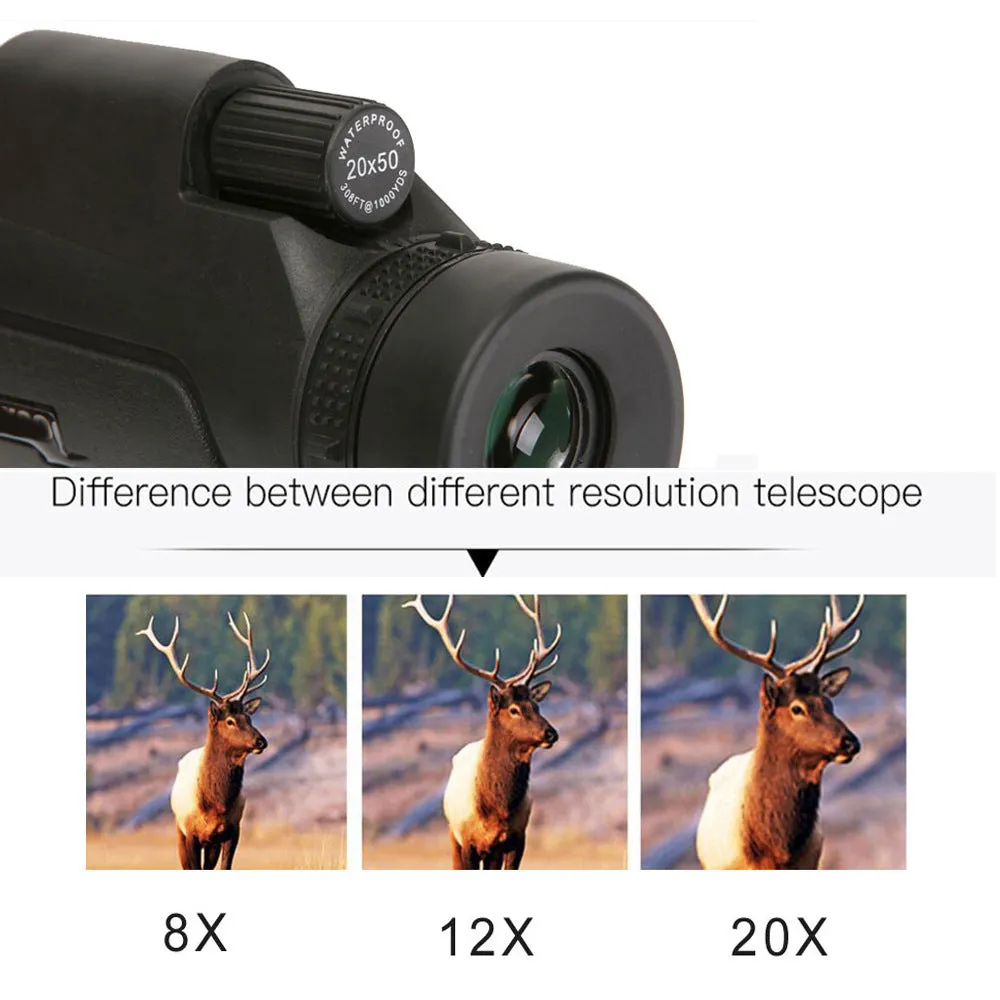
The monocular is built around its core optical specifications, which define its performance and suitability for various tasks. Its construction prioritises functionality for handheld use in outdoor environments.
The '20x50' designation refers to the 50mm diameter of the front objective lens and the overall power configuration. This setup allows a significant amount of light to enter the instrument, which is beneficial for viewing in varied lighting conditions. The specified 12x magnification is the factor by which the monocular enlarges the image, making distant objects appear twelve times closer. This level of magnification is well-suited for detailed observation of birds, animals, or landmarks without excessive image shake that can occur with higher powers. The exit pupil, calculated from the objective diameter and magnification, is 4.5mm, which indicates the size of the light beam reaching your eye and relates to image brightness.
A major practical feature is the field of view, quoted as 168 metres at 1000 metres. This means that when looking at a scene 1000 metres away, you will see a span of 168 metres across the centre of the view. This relatively wide field is advantageous for activities like bird watching, where you need to locate and follow a bird in a tree or sky, or for scenic observation where you want to take in a broad landscape. The monocular is typically finished with a rubberised armour coating, providing a secure, non-slip grip and basic protection against minor bumps and moisture, making it suitable for use in the field.
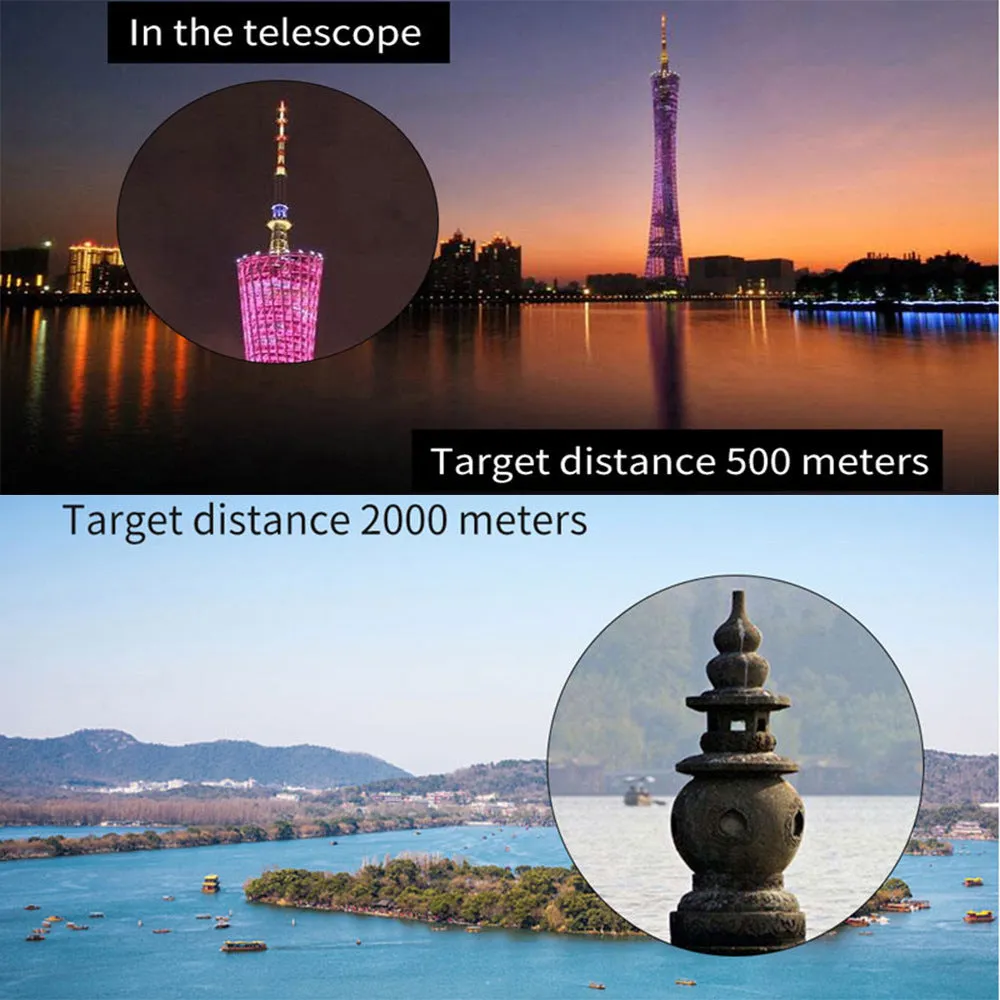
This instrument is categorised for general civilian telescope use, which covers a broad range of everyday observation scenarios rather than specialised scientific or tactical applications.
While not a professional-grade tool, this monocular can serve well for general observation at outdoor events, on nature tours, or for basic surveillance tasks where a compact, one-handed optical device is preferred over bulky binoculars. Its 12x magnification allows users to see stage details at concerts or sporting events from the stands, or to monitor wildlife from a fixed hide or observation point during ecological surveys or hunting trips.
For the casual user, this monocular is a versatile companion for travel, hiking, and home use. It can be easily carried in a daypack or jacket pocket to spontaneously observe distant scenery, architecture, or ships on the horizon. At home, it might be used for viewing wildlife in the garden, checking details on a distant building, or even for occasional stargazing to view the moon's craters, though its design is optimised for terrestrial viewing. Its single-eye design often makes it lighter and more compact than comparable binoculars.
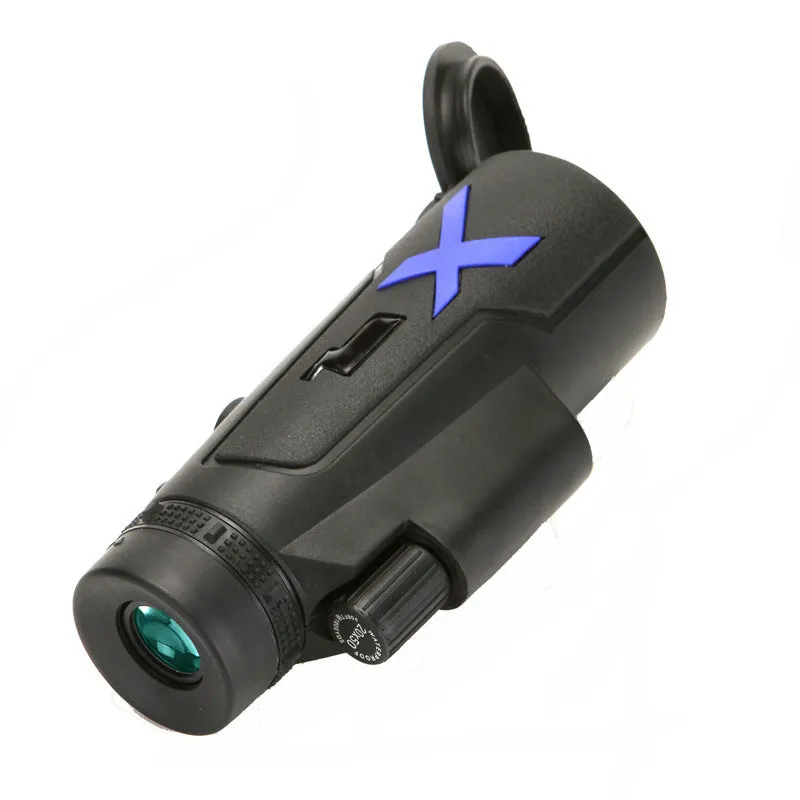
The value of this monocular lies in its specific optical specifications that match common outdoor observation needs, offering a focused tool without unnecessary complexity or cost.
As a durable optical instrument with a straightforward mechanical design centred on a focusing wheel, it is built for repeated use. Maintenance is minimal, primarily involving keeping the lenses clean and storing the device in a dry place when not in use. The rubber armour protects the body from wear, supporting its longevity as a reliable tool for regular outdoor enthusiasts.
You would choose this 20x50 monocular if your primary need is a capable, no-fuss magnifying device for common outdoor activities. Its key differentiators are the concrete 12x magnification and the 168m/1000m field of view, which directly address the user's need to both magnify and comfortably scan an area. It fills the gap between low-power opera glasses and high-power, tripod-mounted spotting scopes, offering a very practical balance of power, field of view, and portability for the average user interested in nature, travel, or events.